
Last updated November 25, 2026
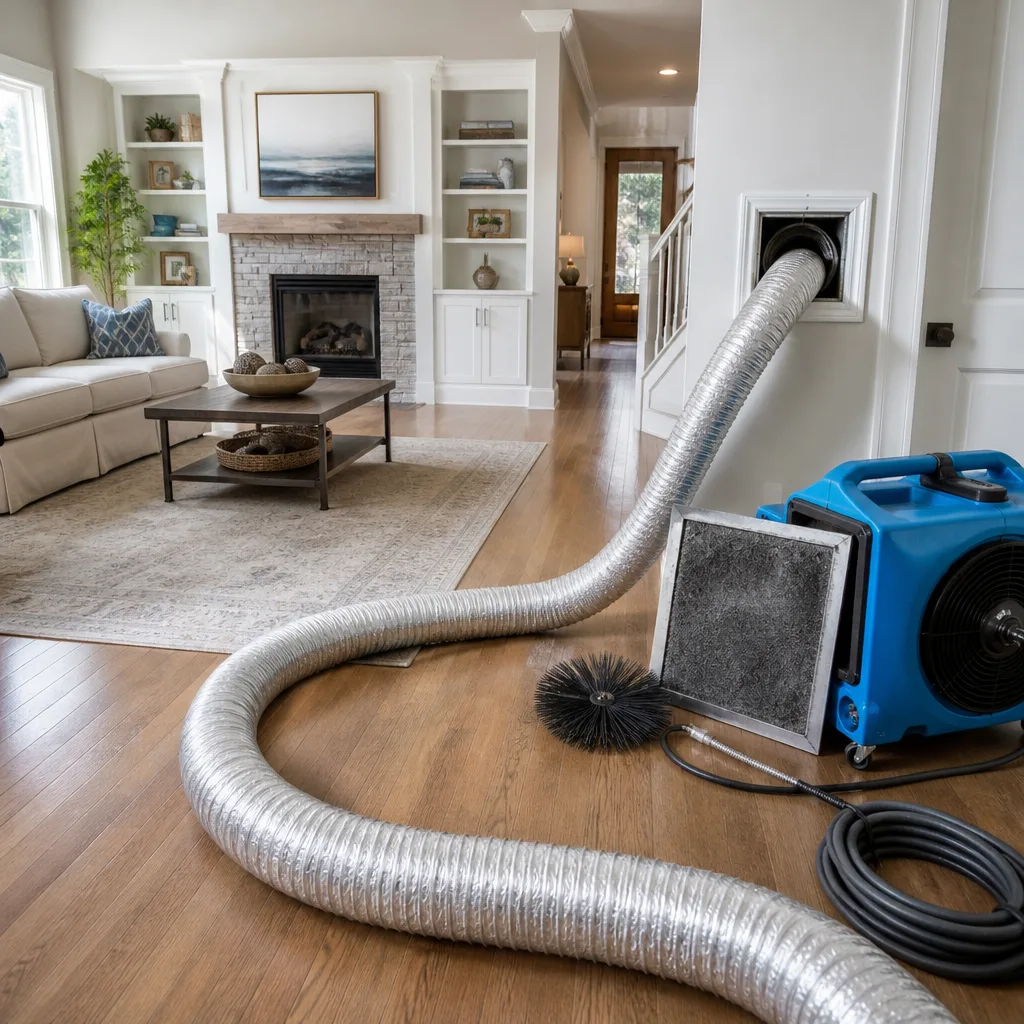 Whole-home duct cleaning
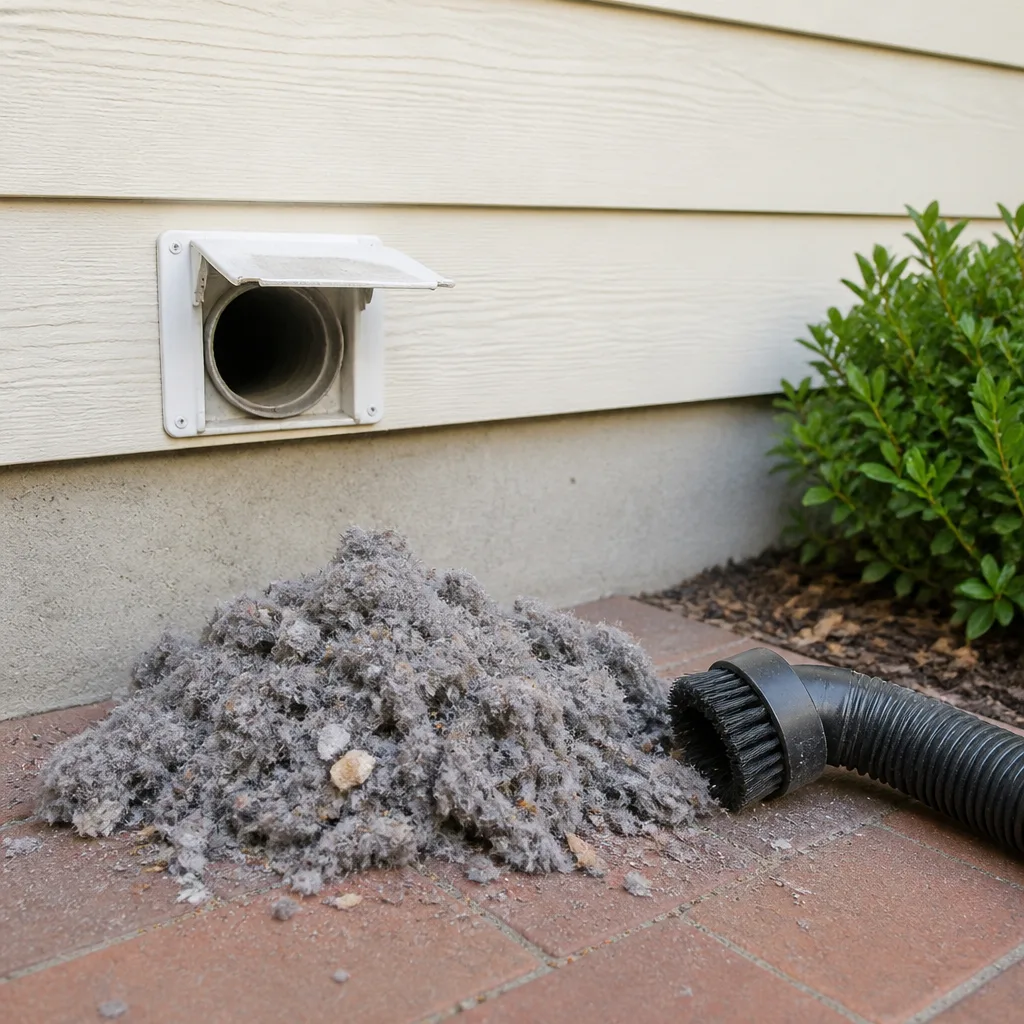 Dryer vent cleaning
 Camera inspection
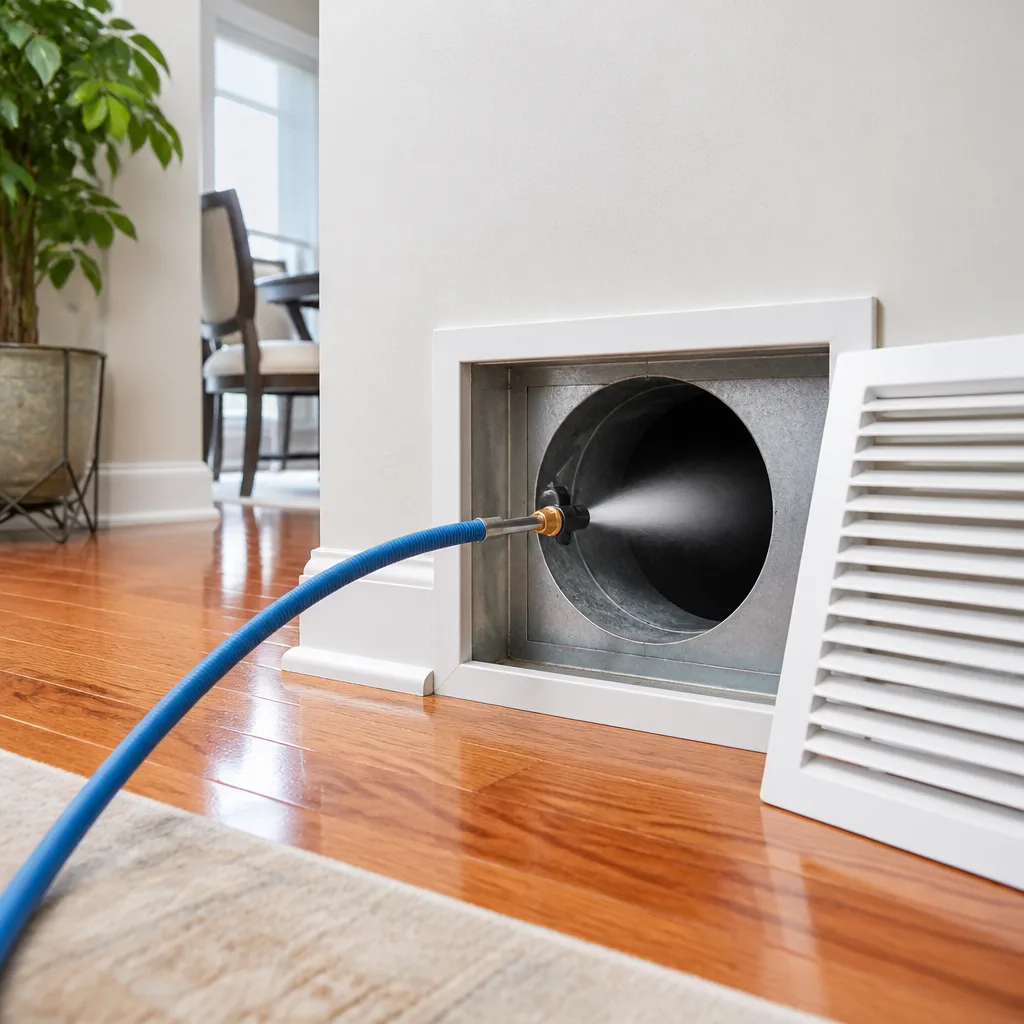 Sanitizing & deodorizing
Whole-system duct and dryer vent check with before-and-after photos - you see exactly what came out of your vents
That "$99 whole-house special" is a bait ad - the real number appears once they are in your hallway, or the "clean" is a shop-vac at the register. We photograph the inside of your ducts before and after instead.
Air Duct Cleaning Permits, Codes & Inspections in Redmond, WA: What You Need to Know
Most homeowners assume a duct cleaning visit is a closed loop: a technician arrives, the ducts get cleaned, and nothing about the house changes on paper. That assumption holds right up until the vacuum pulls a section of crumbling asbestos-wrapped flex duct out of a ceiling cavity in a 1970s Redmond home. At that point, the job stops being a cleaning and becomes regulated work with documentation requirements, and the homeowner never expected a duct appointment to open that door. This guide explains exactly where the permit line sits in Washington, what cleaning can legally uncover and trigger, who has jurisdiction over mechanical work in Redmond, and what records you should keep for a future sale.
Quick Answer
Air duct cleaning itself does not require a permit in Washington state. Duct repair, sealing that involves removing or altering ductwork, and any duct replacement generally do require a mechanical permit from the City of Redmond, and that work must follow the Washington State Energy Code and the International Mechanical Code as adopted locally. When cleaning uncovers asbestos-containing materials, disconnected ductwork, or unsafe combustion appliance conditions, state and local rules on remediation and reporting kick in, which is why documentation from the visit matters.
Styles & brands we work with
- Whole-home duct cleaning
- Dryer vent cleaning
- Camera inspection
- Sanitizing & deodorizing
Table of Contents
- Where the Permit Line Actually Sits in Washington
- Duct Repair and Replacement: Mechanical Permits and Energy Code
- What Cleaning Can Legally Uncover (and What It Triggers)
- City of Redmond vs. King County: Who Oversees HVAC Mechanical Work
- Older Duct Materials and How They Change the Job
- Documentation to Keep for Washington Seller Disclosure
- What an Inspection Actually Looks At
- Common Mistakes to Avoid
Where the Permit Line Actually Sits in Washington
The cleanest way to understand this is a single distinction: the act of cleaning a duct system is maintenance, and maintenance doesn’t need a permit. The act of changing the duct system is construction, and construction does. That line is what trips people up, because the two activities get described with the same words by different contractors.
In practical terms, here’s how the line breaks down for a Redmond property:
- No permit typically required: vacuuming and mechanical agitation of ducts, sanitizing treatments applied to existing duct interiors, replacing vent covers, cleaning the air handler and coils, cleaning a dryer vent.
- Permit generally required: replacing a section of flex or rigid duct, re-routing a duct run, sealing ductwork in a way that involves cutting into or removing duct material, adding or removing a supply or return, replacing a duct board trunk.
We’ve seen the confusion cut both directions. Some homeowners worry a cleaning crew is going to “do unpermitted work” when all that’s happening is agitation and vacuuming. Others have had a section of duct swapped out during what they thought was a cleaning, with no permit pulled. The second situation is the one that creates a problem at resale, because an unpermitted mechanical alteration can surface in an inspection and complicate the transaction.
The Washington State Energy Code also enters the picture the moment ductwork is altered. Duct sealing and insulation requirements apply to new and altered duct systems, and a contractor doing repair work under permit is obligated to meet those standards. A cleaning crew that quietly replaces a run of unsealed flex duct in an attic isn’t just skipping a permit; it may be skipping the sealing and insulation standard the code requires for that alteration.
Duct Repair and Replacement: Mechanical Permits and Energy Code
If you already know your ducts are leaking, crushed, or disconnected, you’re in permit territory before any cleaning happens. This is the section that matters most for homeowners whose real problem is damaged ductwork rather than accumulated dust.
Duct repair in Redmond falls under the City of Redmond’s building department, which administers mechanical permits under the International Mechanical Code as adopted by Washington. The Washington State Energy Code adds duct sealing and insulation requirements that apply to the altered portion of the system. That means a permitted duct repair carries two obligations: mechanical code compliance (proper connections, support, clearances) and energy code compliance (sealing, insulation value on the affected run).
Here’s the sequence we recommend for Redmond homeowners facing a real duct problem:
- Get a diagnostic before you get a quote. A leak test, a visual of the duct runs, and a look at the air handler tell you whether the issue is dirt, damage, or both. Cleaning and repair are different jobs with different permit status.
- Ask the contractor directly whether the work requires a permit. Repair, replacement, or alteration of duct sections generally does. Cleaning typically does not. A contractor who can’t answer this clearly is telling you something about how they handle compliance.
- Request the permit number before work starts. The permit should reflect the actual scope, not a vague “HVAC work” line item.
- Ask what the repair includes on the energy code side. Sealing the joints is one thing. Insulating the altered run to code is what a permitted job includes.
- Keep the final inspection record. This is the document that makes the repair clean at resale.
We do this from the diagnostic side because it changes what the cleaning job looks like. A system with a crushed trunk line and a disconnected supply in the crawl isn’t fixed by cleaning; cleaning a system that leaks that badly is like vacuuming a room with the windows open. We use professional-grade equipment including Nikro and Rotobrush systems, and we also handle duct repair and sealing, so a customer doesn’t have to coordinate a cleaner and a separate HVAC contractor to find out which problem they actually have. If the answer is a repair, we tell them which permits are needed and point them at the right process.
What Cleaning Can Legally Uncover (and What It Triggers)
Cleaning reveals what’s inside the duct system, and sometimes what’s inside triggers rules no one expected to be talking about on a duct appointment. Three discoveries matter most in a Redmond home, and they are the reason this part of the guide exists.
Asbestos-Containing Duct Materials
Older duct systems in the area can carry asbestos tape on duct joints, and some early flex duct used asbestos-containing materials. Washington’s asbestos rules fall under WAC 296-62, the state’s occupational safety and health rules, which govern how asbestos-containing material is handled, who may handle it, and what must be done before work disturbs it. A cleaning contractor cannot simply vacuum around asbestos tape; disturbing it during cleaning is itself the hazard. When we encounter suspected asbestos-containing material, the job stops until a certified asbestos professional assesses it. That’s not a service we provide, but it is a referral we make.
This is the part most homeowners don’t anticipate. They think a cleaning can’t lead to a remediation project. It can, and the correct response is to stop, abate, and only then clean.
Disconnected Ductwork
A disconnected duct is a straightforward finding but a significant one. Ducts can come apart at joints, at a trunk connection, or where a run has sagged and pulled free. Cleaning a system with an open disconnect redistributes debris into the cavity around the duct, which is the opposite of the goal. A disconnect is a repair, which handles the permit question for you.
Unsealed Combustion Appliance Proximity
If a furnace or water heater in a Redmond home has a return duct near its combustion air source, or if ductwork passes close to a gas appliance in a way that could affect drafting, that’s a safety condition. A gas appliance that backdrafts into ductwork is pushing combustion byproducts into the living space. Our technicians flag these conditions and recommend an HVAC contractor to assess and correct the installation. We don’t touch gas lines or combustion systems, and no cleaning contractor should.
City of Redmond vs. King County: Who Oversees HVAC Mechanical Work
Jurisdiction depends on where the property sits. Within Redmond city limits, the City of Redmond building department oversees mechanical permits and inspections for HVAC work, including duct alterations and equipment replacements. Properties in unincorporated King County fall under King County’s permitting authority. The two systems have different application processes, but the code basis is the same: the International Mechanical Code and the Washington State Energy Code as adopted by the state and enforced locally.
Redmond’s housing stock tells you a lot about which properties are likely to hit both sets of rules. The area ranges from mid-century homes in older parts of town to newer construction and substantial remodel and infill work. A 1960s or 1970s home is where asbestos tape and early duct materials are the concern. A newer home or recent remodel is more likely to have a duct system that was permitted at construction, which means the permit history exists and can be pulled. Both situations benefit from the same habit: check permit history before assuming.
Homeowners can look up permit history with the City of Redmond for city properties or with King County for unincorporated parcels. If you’re buying a Redmond home, this is a reasonable pre-offer step alongside a standard inspection. If a prior heat pump or furnace replacement was permitted, the duct work listed on that permit should reflect what’s actually installed. If it doesn’t, ask why.
One practical note about timing: inspections are scheduled with the city, not the contractor, and inspection windows vary by workload. A repair that requires permit and inspection will take longer than a cleaning that doesn’t. That’s a normal part of the process, not a contractor delay, and a contractor who explains it clearly is doing it right.
Older Duct Materials and How They Change the Job
The materials a duct system is built from change both the cleaning method and the contractor’s legal obligations. In older Redmond homes, three materials come up regularly.
- Asbestos tape: Grey cloth or paper tape on duct joints, common on systems of a certain age. If intact and not being disturbed, it’s a handling question. If damaged or crumbling, it requires assessment before work. Cleaning near damaged asbestos tape is not safe, and a contractor who proceeds anyway is cutting corners.
- Fiberglass duct board: Rigid board duct with a foil facing. Over time the facing can degrade and the board itself can delaminate, shedding fibers into the airstream. Cleaning fiberglass duct board requires care; aggressive agitation can damage the board further. Sometimes the right answer is repair or replacement of the degraded section rather than cleaning it.
- Early flex duct: Some older flexible duct had a short service life and sags, tears, or separates at the collar. A cleaning that agitates a damaged flex run can dislodge debris into the cavity, which is why a damaged section is a repair item.
Our cleaning method accounts for the material we’re working with. We use Abatement Technologies negative air filtration during service to capture dislodged debris rather than redistribute it, and we adjust agitation to what the duct material can handle. Fiberglass duct board doesn’t get the same treatment as galvanized sheet metal. When we find material that requires assessment, we say so and document it. Air sanitizing with a named, traceable product like Guardsman is a separate question from material condition; sanitizing doesn’t fix damaged duct material, and we don’t present it as though it does.
Documentation to Keep for Washington Seller Disclosure
When you sell a home in Washington, you complete a seller disclosure form that includes questions about the property’s condition, known defects, and any environmental concerns. What you know about your duct system is part of that, and what you can document is what protects you. If cleaning uncovered asbestos-containing material that was subsequently abated, or a disconnected duct that was repaired under permit, that record belongs in your file.
Here’s the documentation we recommend every Redmond homeowner retain after a professional duct cleaning:
- A written scope of work that describes what was cleaned, what equipment was used, and what areas were accessed.
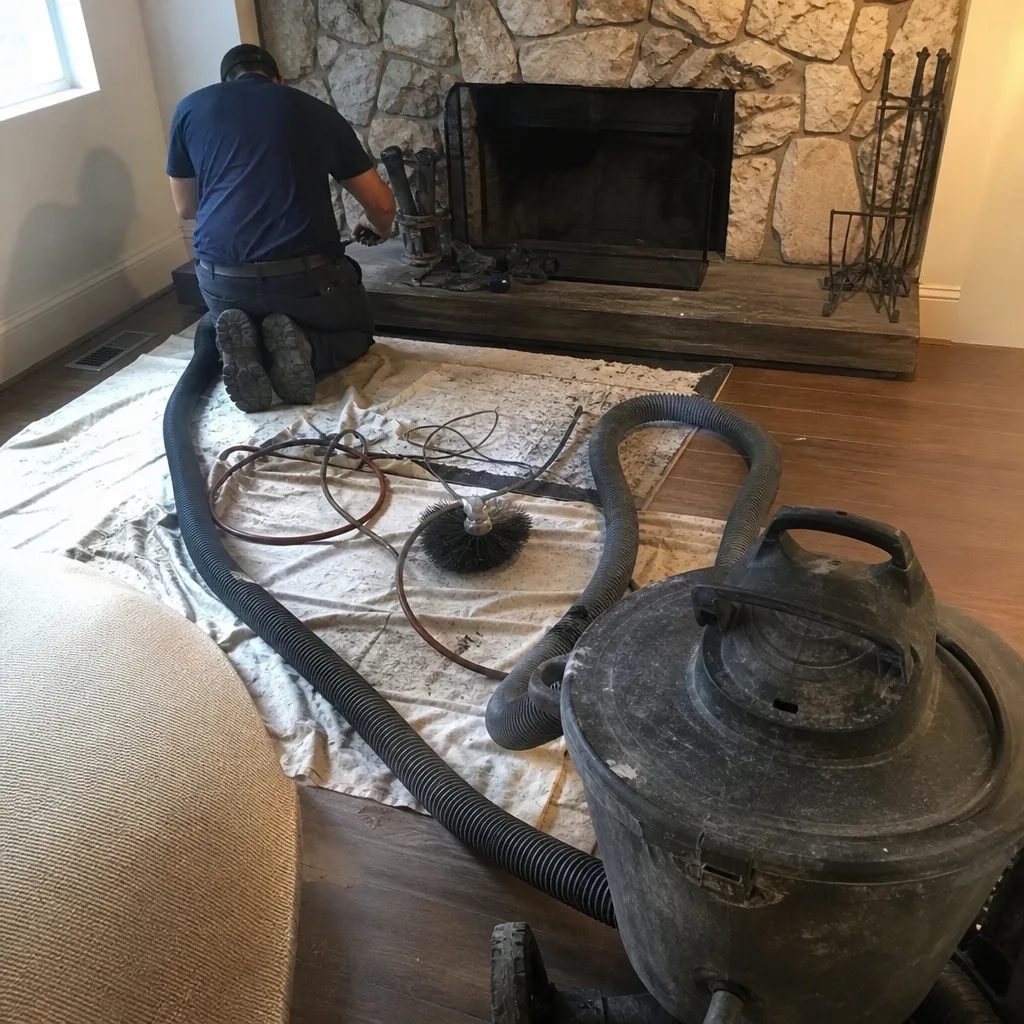
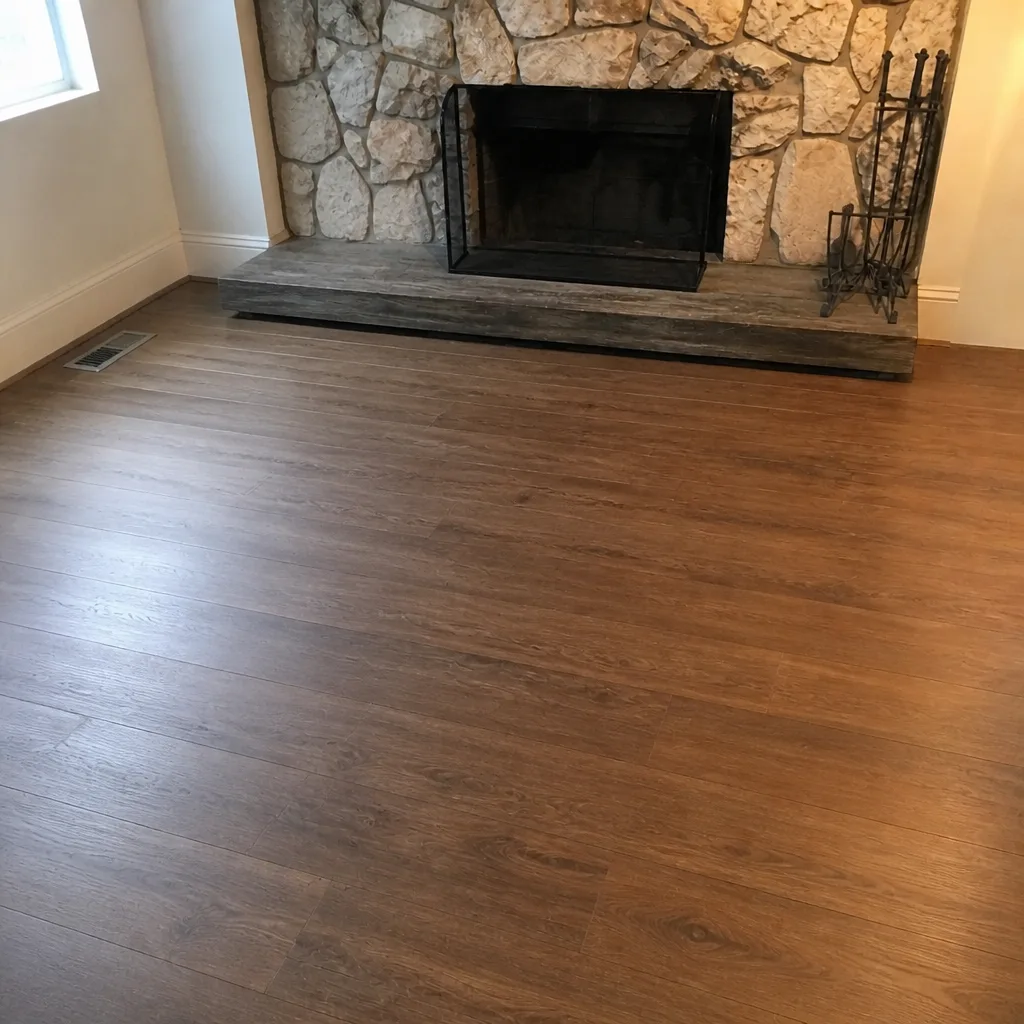
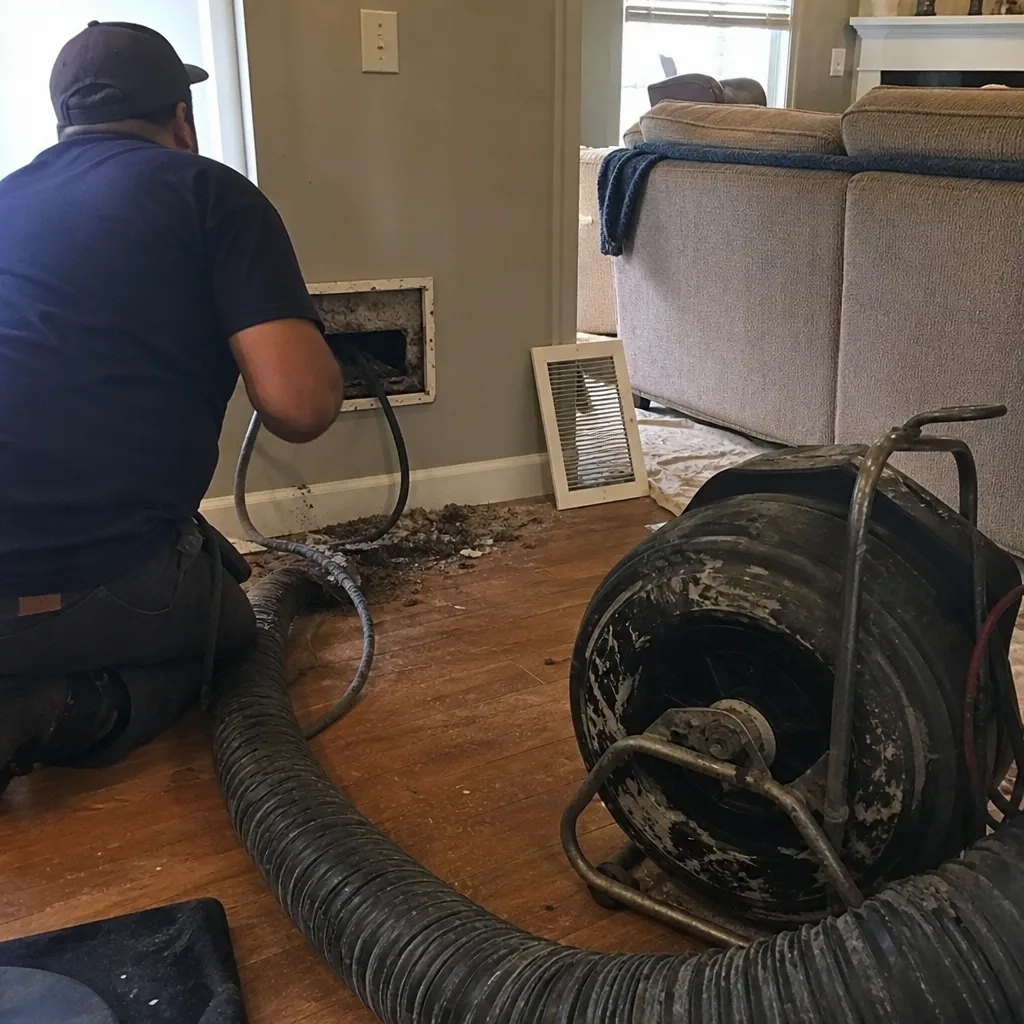
- Before-and-after photographs of the duct interiors and any areas of concern. A professional cleaning should produce these as a matter of course.
- The contractor’s finding notes on anything observed that requires follow-up, including suspected asbestos-containing material, disconnected ducts, or combustion appliance concerns.
- Any permit number and final inspection record if repair work was done under permit.
- Abatement records if asbestos was found and remediated by a certified professional.
- Receipts and dates for the cleaning and any related work.
The reason to keep these is simple: if a buyer’s inspector raises a question about the ducts, or if a leak or a defect claim arises years later, the documentation tells a clear story. A homeowner with before-and-after photos and a written scope of work is in a very different position than a homeowner who had “a duct cleaning” with no record. This is also why we produce photos and written scopes on every job; it protects the customer as much as it demonstrates the work.
What an Inspection Actually Looks At
People ask about “duct inspection” and mean two different things. There’s the city mechanical inspection that follows permitted work, and there’s the condition assessment a cleaning contractor performs. The two answer different questions.
The city inspection following a permitted duct repair verifies the work matches the permit and meets code, including the mechanical code requirements for support and connection and the energy code requirements for sealing and insulation on the altered portion. That inspection is triggered by the permit and scheduled by the city.
The condition assessment is what a cleaning contractor does before cleaning. It looks at access points, duct material, seam condition, connections at the trunk and collars, the air handler, the condensate management if a cooling coil is present, and the supply and return configuration. It’s how we decide what method to use and what to flag. If the assessment turns up something outside cleaning scope, like a disconnected run or suspected asbestos, we note it in writing and let the homeowner decide next steps with the right professional. Fast dispatch from 7am to 7pm, Sunday through Friday, means assessments can be scheduled promptly when a homeowner has a concern they want looked at.
For a homeowner buying a Redmond home, a duct condition assessment is a reasonable addition to a standard pre-offer inspection. It won’t substitute for the inspector’s work, but it answers a question the general inspector often can’t: was this duct system installed and maintained properly, and is anything about it going to require permitted work?
Common Mistakes to Avoid
- Assuming all duct work is permit-free. Cleaning isn’t the same as repairing. If a contractor replaces a duct run during a “cleaning,” that’s typically permitted work, and doing it without a permit puts the homeowner at risk at resale.
- Letting a cleaning proceed past suspected asbestos. When a technician sees material that could be asbestos-containing, the job should stop for assessment. Continuing to vacuum around it can disturb fibers, and that’s a health hazard, not just a compliance issue.
- Cleaning a damaged duct system. A system with a collapsed trunk or a disconnected supply is a repair first. Cleaning a leaking system redistributes debris and doesn’t address the actual problem.
- Skipping the permit check on a resale purchase. Before buying in Redmond, pull the permit history. A furnace or heat pump replacement that shows up in the history should match the equipment and duct work actually installed.
- Tossing the documentation. Photos, a written scope, and any permit records are your protection at resale. A cleaning with no record is hard to verify years later.
- Trusting a quote with no diagnostic. A quote to clean, repair, or replace ductwork that wasn’t preceded by a look at the actual system isn’t really a quote. It’s a guess.
- Mixing up a cleaning with a full-system HVAC service. A proper HVAC cleaning covers the air handler, coils, and components beyond the duct runs. If a quote covers only the ducts, ask what it leaves out.
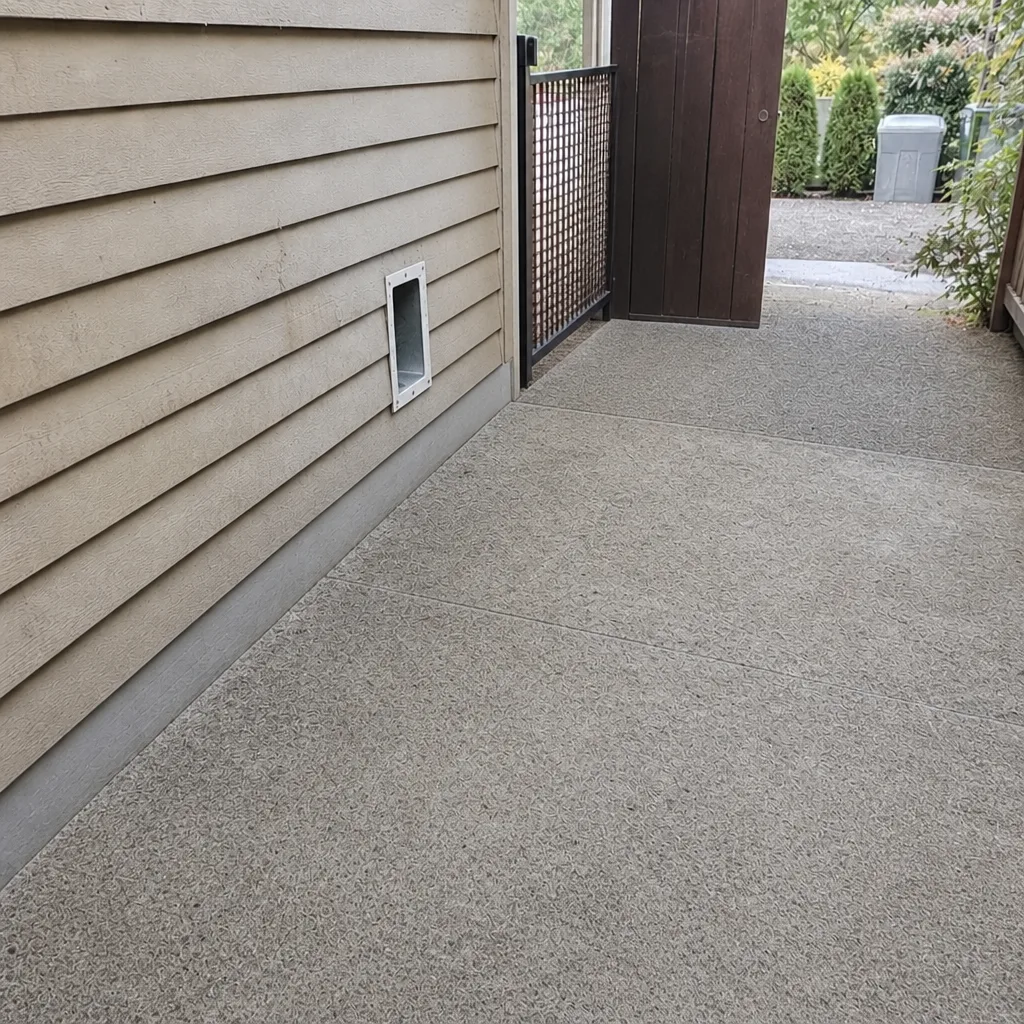
See the difference
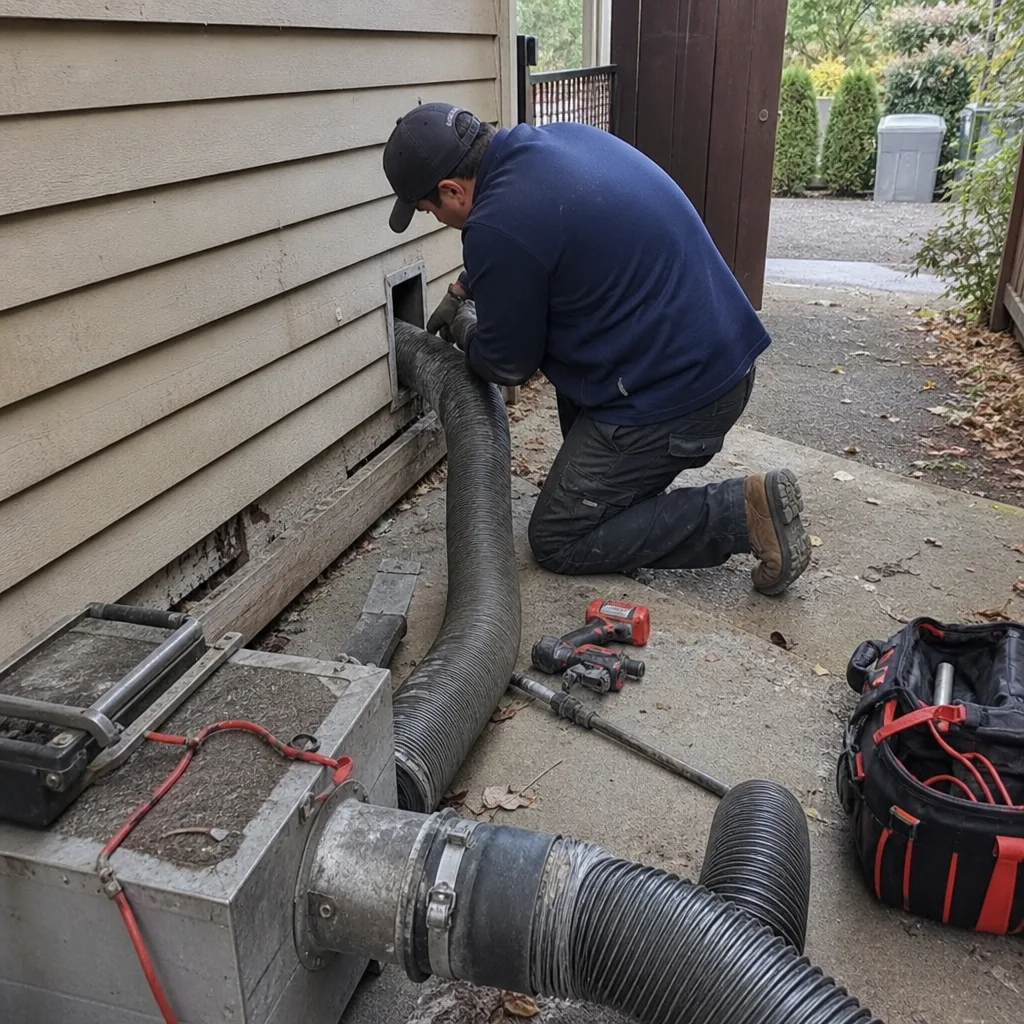 Before
 After
 Before
 After
 Before
 After
When to Call a Professional
Call a professional when a duct problem is beyond visual inspection and basic cleaning. That means an unexplained spike in dust after standard maintenance, a musty smell that returns after cleaning, visible condensation or sagging ductwork, a furnace or heat pump that’s short-cycling or underperforming, or a suspected asbestos-containing or damaged duct material. If you’re buying a Redmond home and the permit history is unclear, a professional condition assessment is a reasonable step before you commit. If a dryer vent is lint-clogged or if the dryer is taking two cycles to dry a load, that’s a fire-safety item worth addressing promptly. Redmond Air Duct Cleaning Pros offers free estimates in Redmond. Call (877) 492-3883. We answer 24/7. Fast dispatch from 7am to 7pm, Sunday through Friday.
We also want to be clear about what we do and don’t handle. Our technicians have up to 12 years of experience with duct cleaning, duct repair and sealing, HVAC cleaning, dryer vent cleaning, and air quality sanitizing. Asbestos assessment, abatement, gas line work, and the permit itself sit with certified specialists and the City of Redmond. What we do is find the problem, clean the system properly, fix what we’re qualified to fix, and document it clearly.
Frequently Asked Questions
No. Air duct cleaning alone does not require a permit in Redmond or anywhere in Washington state, because it’s maintenance rather than alteration of the system. If the work involves repairing, sealing that requires cutting or removing duct material, re-routing, or replacing ductwork, a mechanical permit from the City of Redmond is generally required. The written scope of work from your contractor should state clearly which category the job falls into. Call (877) 492-3883 for an exact scope and estimate; estimates are free.
The job stops until a certified asbestos professional assesses the material. Washington’s asbestos rules under WAC 296-62 govern how asbestos-containing material is handled, and disturbing it during cleaning is a health hazard. A cleaning contractor cannot legally or safely vacuum around damaged asbestos-containing material. The correct sequence is assessment, abatement if needed, then cleaning. We don’t provide asbestos services, but we flag it in writing and recommend a certified professional. Call (877) 492-3883 if you’d like a condition assessment; estimates are free.
It depends on where the property sits. Inside Redmond city limits, the City of Redmond building department handles mechanical permits and inspections. In unincorporated King County, King County’s permitting authority applies. The code basis is the same either way: the International Mechanical Code and Washington State Energy Code as adopted locally. If you’re unsure which jurisdiction covers a property, check with the city or county before work starts rather than after. Call (877) 492-3883 and we’ll help you sort out what your duct system needs before you head into the permit process; estimates are free.
The cheapest quotes often reflect a smaller scope or inferior equipment, and sometimes both. A low quote may cover only the visible vent openings, not the full system from the vent cover to the air handler. It may also skip negative air filtration, which is what keeps dislodged debris out of the living space. We use professional-grade equipment including Abatement Technologies filtration and Nikro and Rotobrush systems because the difference shows up in what’s actually removed from the ducts. Ask any contractor what their quote includes, and ask whether the price is per system or per vent. Call (877) 492-3883 for a written scope and estimate; estimates are free.
You check the documentation. A professional cleaning produces a written scope of work, before-and-after photographs of the duct interiors, and finding notes on anything that needs follow-up. If any repair work was done, you also receive the permit number and a final inspection record. A cleaning with no photos and no written scope is hard to verify. We produce all of it on every job. Call (877) 492-3883 to schedule; estimates are free.
Keep the written scope, before-and-after photographs, finding notes, any permit number and final inspection record if repair work was done, any abatement records if asbestos was found and remediated, and receipts with dates. Washington’s seller disclosure form asks about known conditions and defects, and clear documentation of what was cleaned, what was found, and what was corrected puts you in a much stronger position if a buyer’s inspector raises a question. Call (877) 492-3883 and we’ll walk you through what’s in the documentation package; estimates are free.
The Bottom Line
Cleaning a duct system doesn’t require a permit, but it can uncover conditions that do, from asbestos-containing materials under WAC 296-62 to a disconnected duct that needs repair under mechanical permit. That’s the line to remember. Within Redmond city limits, the City of Redmond building department oversees mechanical permits; unincorporated King County properties go through the county. Duct repair, replacement, and alteration fall under the International Mechanical Code and the Washington State Energy Code, and a permitted job includes sealing and insulation as part of the scope. Keep the documentation from every visit, because a future sale will ask about it. Redmond Air Duct Cleaning Pros handles air duct cleaning and duct repair and sealing as part of a full indoor air quality service, with free estimates at (877) 492-3883. We answer 24/7. Fast dispatch from 7am to 7pm, Sunday through Friday. Start at the Redmond Air Duct Cleaning Pros home page to see the full scope of what we do.
Written by the team at Redmond Air Duct Cleaning Pros.