
Last updated November 25, 2026
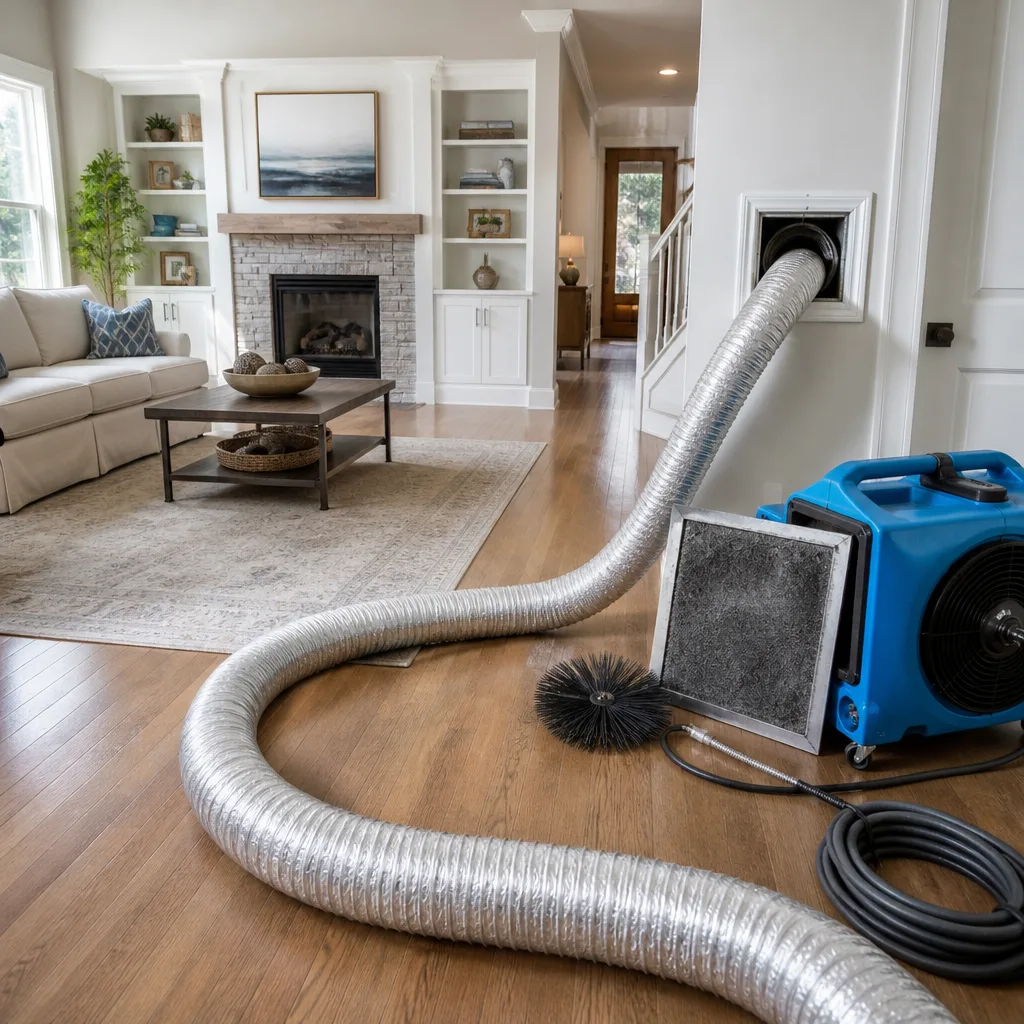 Whole-home duct cleaning
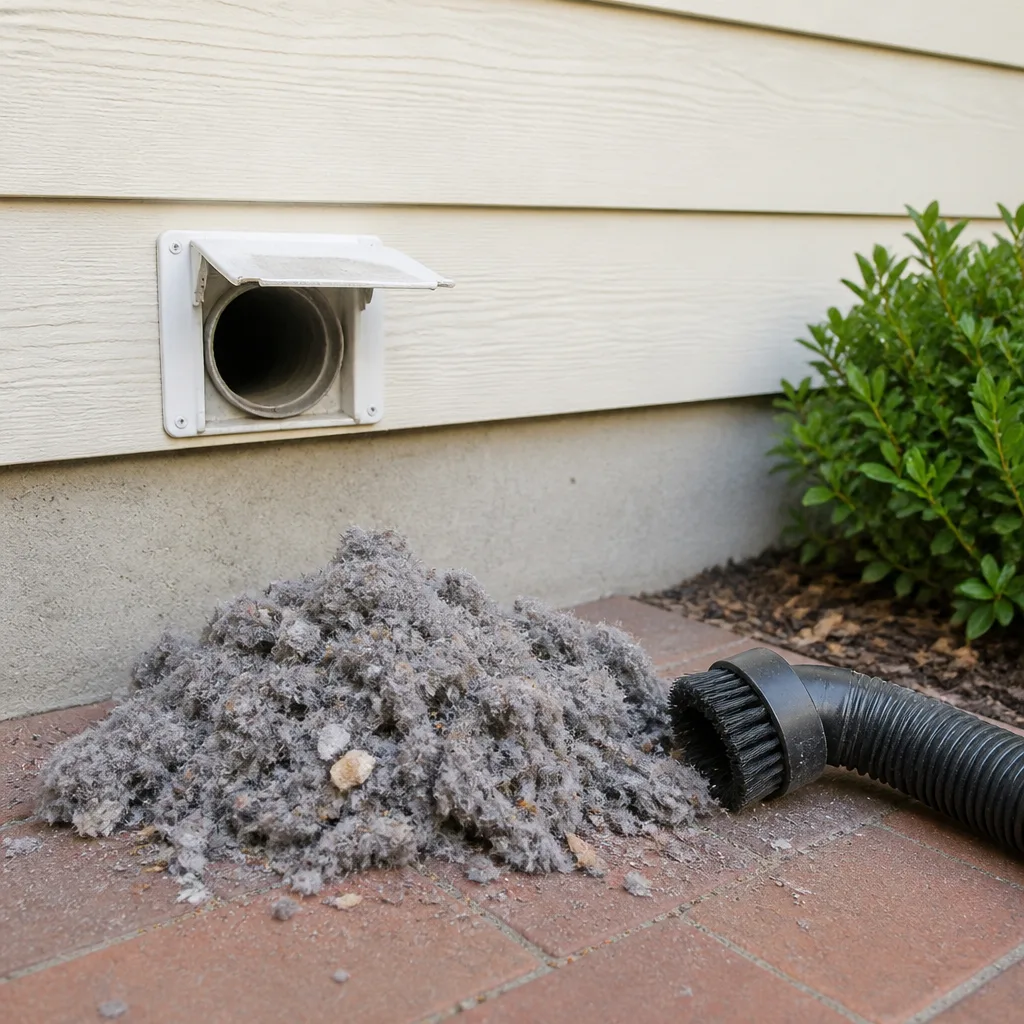 Dryer vent cleaning
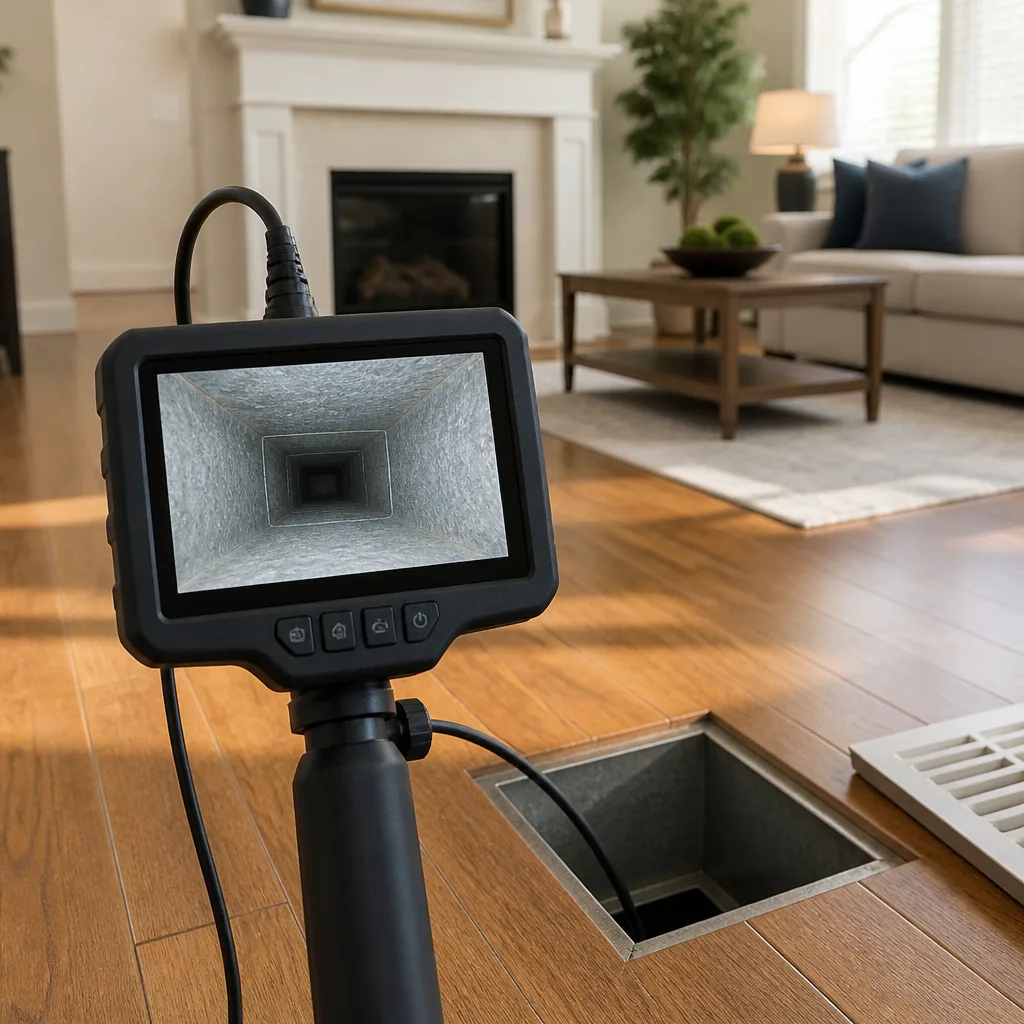 Camera inspection
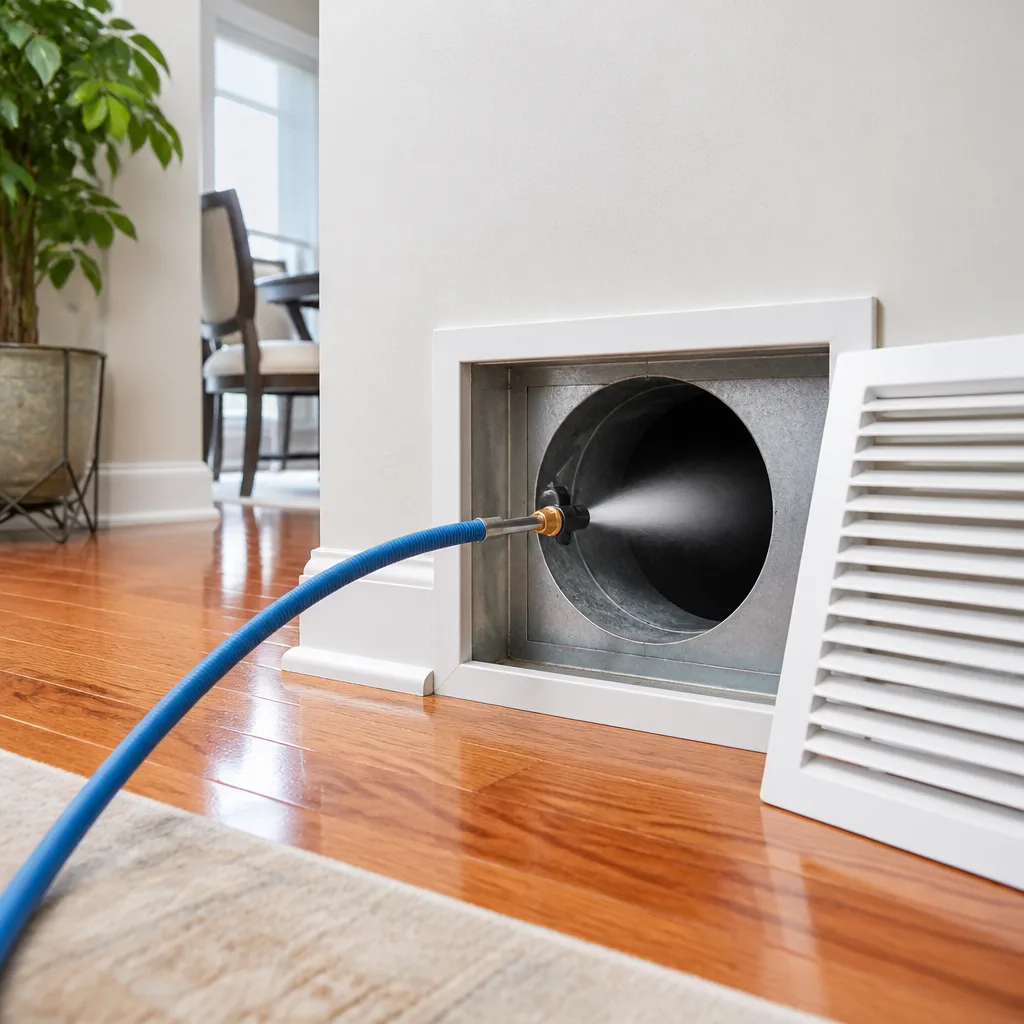 Sanitizing & deodorizing
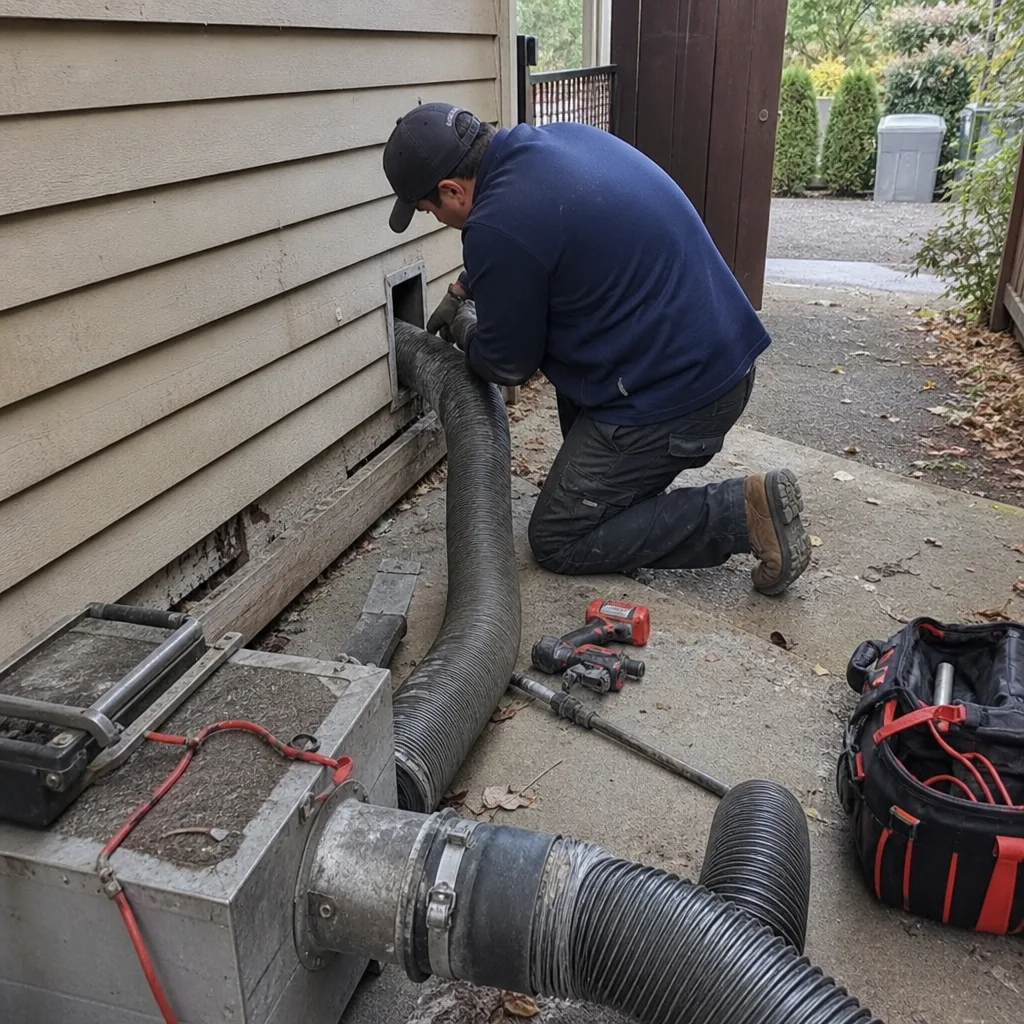
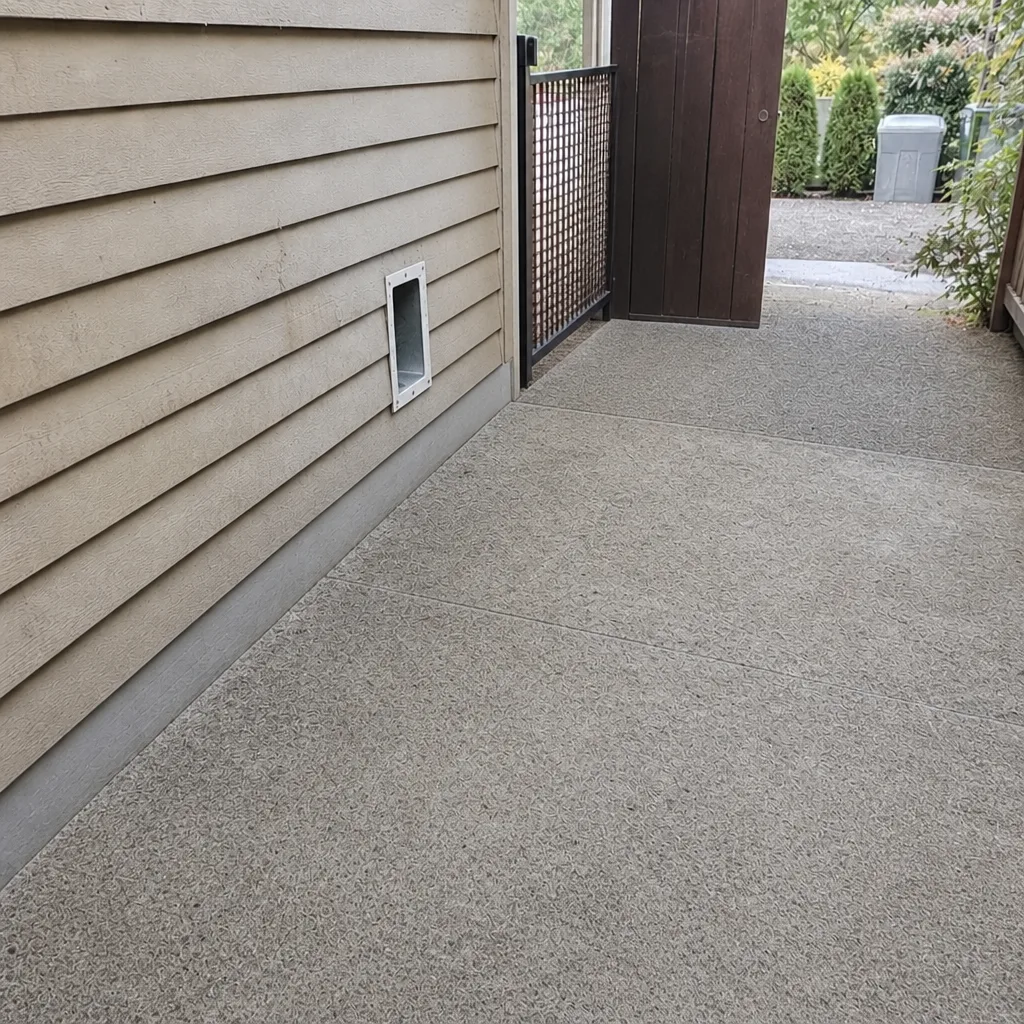
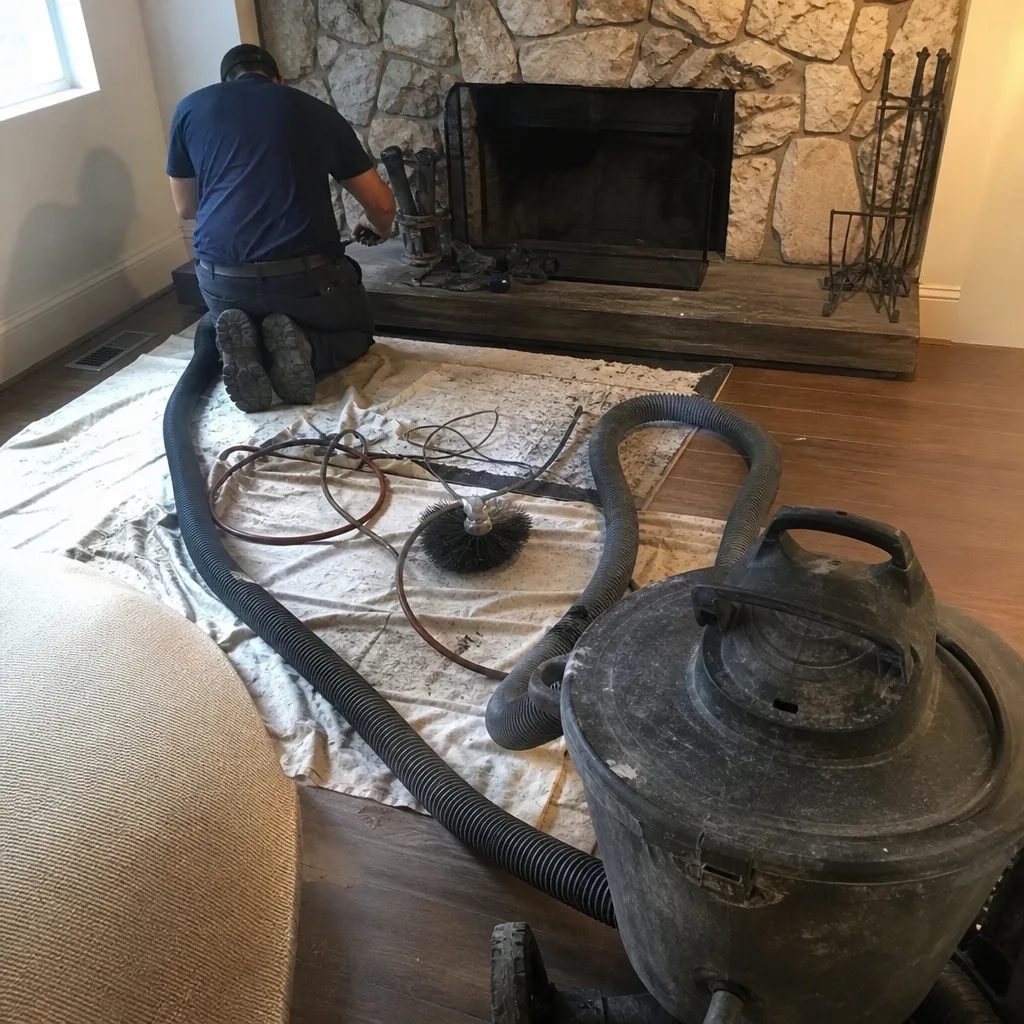
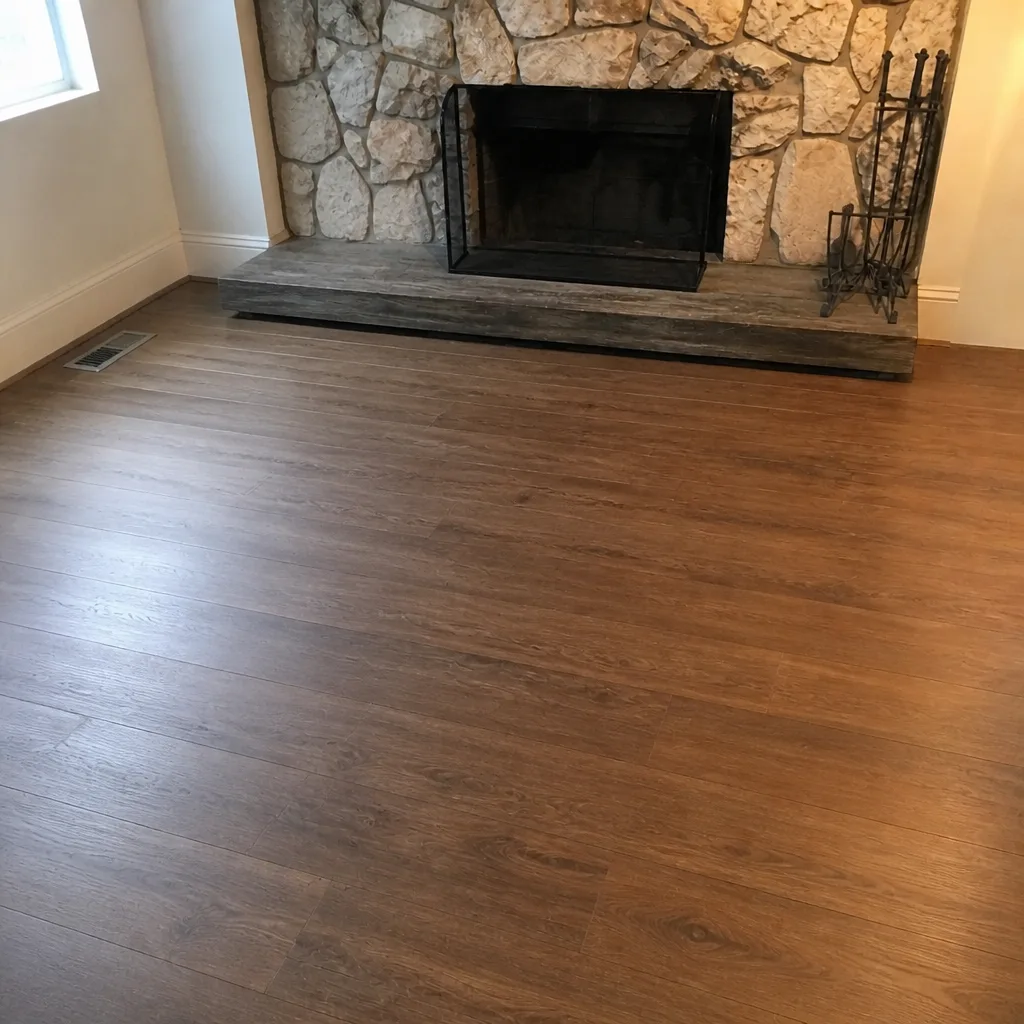
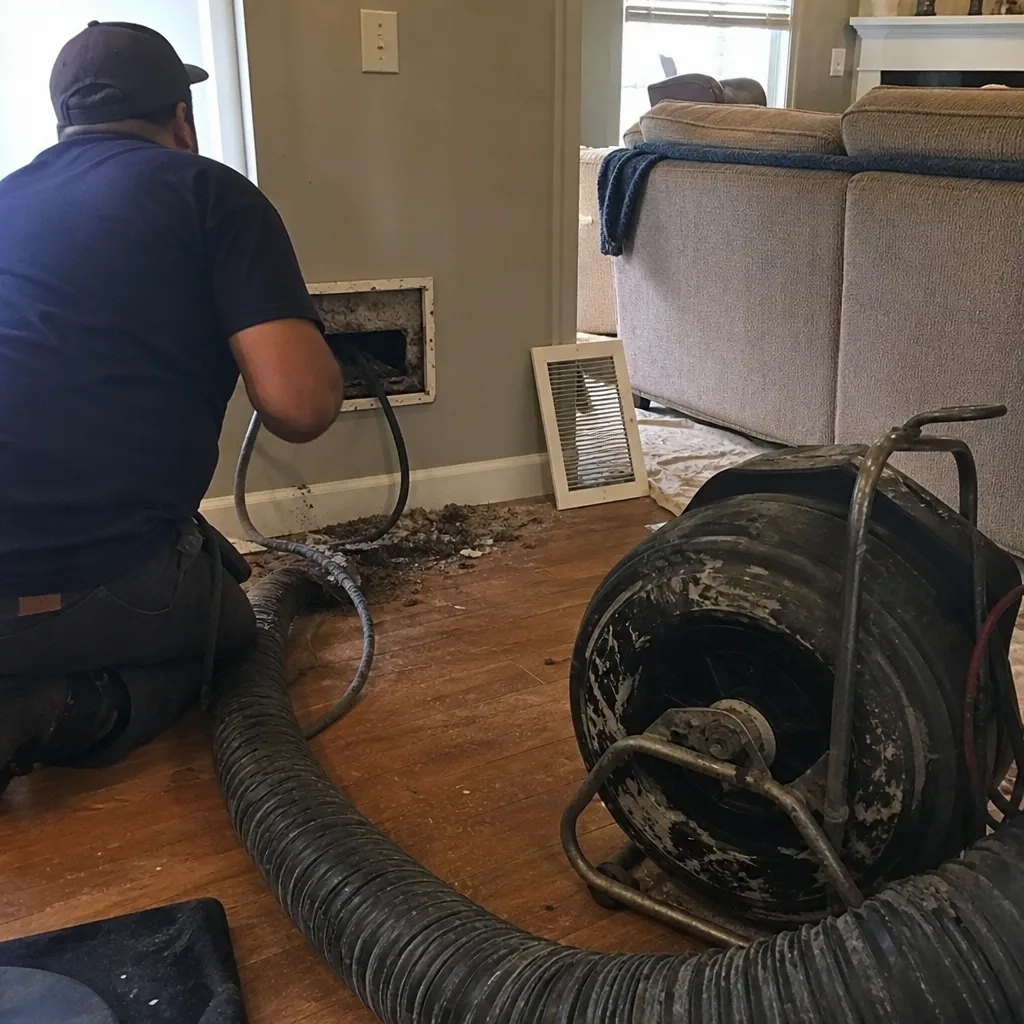
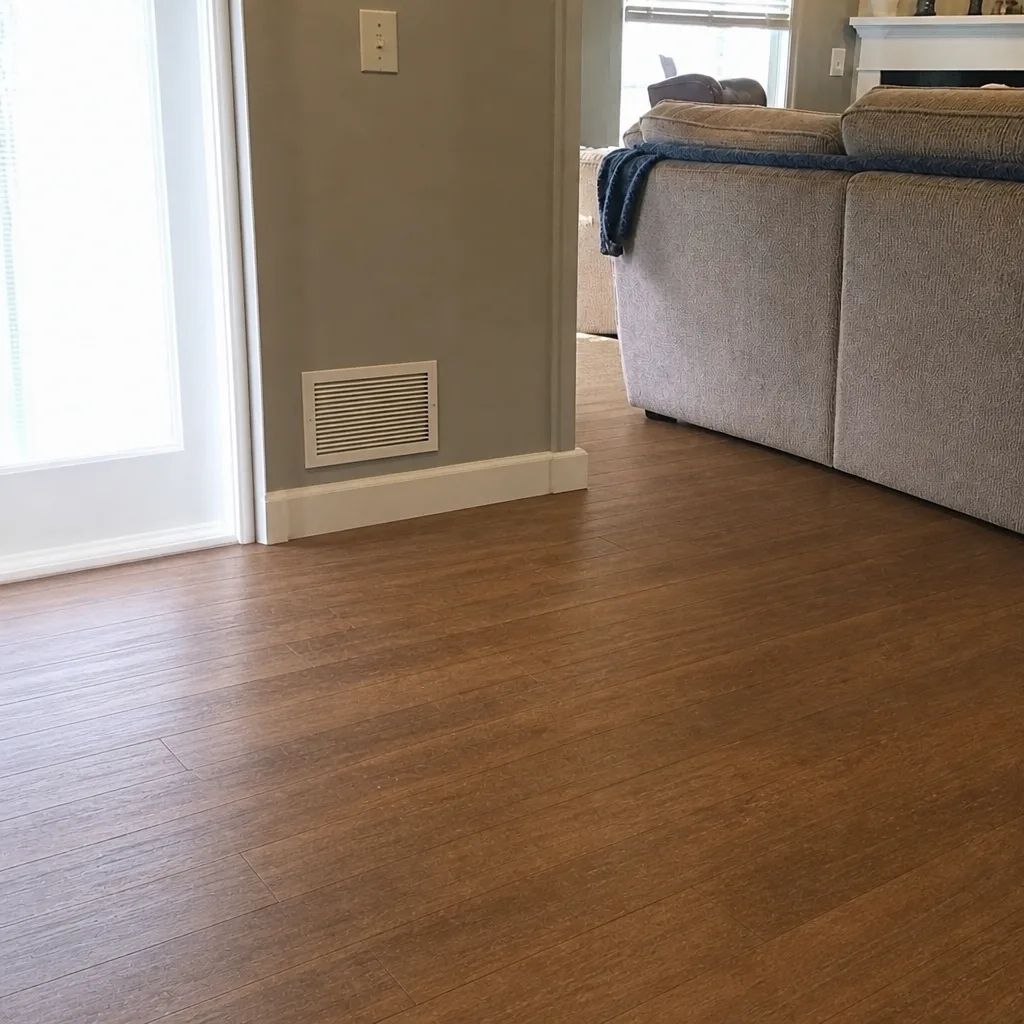
Whole-system duct and dryer vent check with before-and-after photos - you see exactly what came out of your vents
That "$99 whole-house special" is a bait ad - the real number appears once they are in your hallway, or the "clean" is a shop-vac at the register. We photograph the inside of your ducts before and after instead.
Choosing the Right Air Duct Cleaning Brand: A Buyer’s Guide for Redmond
Most Redmond homeowners assume a recognizable national logo means a standardized job. It rarely does. Several air duct cleaning franchises in the Seattle metro area license their name to owner-operators who supply their own equipment, which means two trucks with the same branding can deliver completely different work depending on what’s inside the trailer. One may arrive with a shop vacuum and a brush, the next with a commercial-grade negative air machine and HEPA filtration. The logo tells you nothing about which one shows up. This guide teaches you to look past the brand on the truck and evaluate the service capability behind it: the equipment platform, the scope of work, and the technician’s ability to explain what they found. By the end, you’ll know how to choose an air duct cleaning company in Redmond on substance rather than signage.
Quick Answer
The right air duct cleaning brand in Redmond is the one that can show you professional-grade equipment, explain its full scope in writing, and account for what it removed. National franchise names mean little here because franchise standards rarely specify minimum equipment specs; a locally-owned specialist running Rotobrush or Nikro systems and Abatement Technologies filtration typically outperforms a franchise operating on thin margins. Evaluate the machine and the method, not the logo.
Styles & brands we work with
- Whole-home duct cleaning
- Dryer vent cleaning
- Camera inspection
- Sanitizing & deodorizing
Table of Contents
- Why a Brand Name Doesn’t Guarantee a Clean Duct
- The Equipment Platform: What Actually Determines Results
- What Franchise Brand Standards Do and Don’t Cover
- Why a Redmond Specialist Often Beats a National Franchise
- How to Read a Company’s Willingness to Talk Equipment
- A Step-by-Step Way to Evaluate Any Redmond Company
- What “Brand” Should Mean to a Redmond Homeowner
Why a Brand Name Doesn’t Guarantee a Clean Duct
A national air duct cleaning brand is a marketing framework, not a manufacturing standard. The franchise sells the name, the signage, sometimes a call center, and a set of operating guidelines. What it usually does not do is mandate the specific machinery each operator must own or the crew training behind it. That gap is where quality varies most.
In a market like Redmond, where the housing stock ranges from 1970s split-levels in Grass Lawn to newer construction near Marymoor and the Sammamish River corridor, the duct systems themselves vary enormously. A rigid metal trunk-and-branch setup in an older home behaves nothing like the flexible insulated runs common in newer builds. A franchise guideline written for a national average can’t account for that. An operator who works these systems regularly can.
Here’s the practical takeaway: when you’re choosing an air duct cleaning company in Redmond, the brand on the door is the beginning of the conversation, not the end. What matters more is:
- The equipment the operator actually owns and runs
- Whether the machine generates enough vacuum and agitation to remove debris, not just loosen it
- Whether filtration captures what’s dislodged instead of blowing it back into the room
- Whether the technician can tell you what was found and what was done about it
A franchise with weak equipment is a weak service wearing a familiar name. A specialist with commercial-grade machines is the opposite, whatever the sign says. We’ve learned that from the equipment side of this trade: the machine does the work, and the logo doesn’t pick up a single ounce of dust.
The Equipment Platform: What Actually Determines Results
The equipment a company runs is the single most reliable predictor of the job you’ll get. Air duct cleaning is a mechanical process: you agitate debris loose, then pull it out under vacuum while filtering the exhaust air. Skip a step or underpower it, and the “cleaning” redistributes dust rather than removing it.
Professional-grade platforms in this trade come from manufacturers who build for commercial and industrial remediation. Rotobrush systems drive a rotating brush through duct runs with a connected vacuum, reaching surfaces a hand brush can’t. Nikro builds the high-powered negative air machines and HEPA filtration units that hold a duct system under pressure so nothing escapes into the living space. Abatement Technologies filtration is specified on commercial remediation projects for the same reason: it captures fine particulate at the source. When a company runs these systems on residential work, you get industrial capability applied to a house in Redmond.
We use Rotobrush and Nikro systems because they’re the same class of equipment specified for commercial duct work, and because the results are repeatable. On the indoor air quality side, we work with Honeywell and Aprilaire products, brands HVAC engineers specify by name rather than off-brand substitutes, and with Guardsman-backed sanitizing treatments, which are a named, traceable product rather than a generic spray.
Contrast that with entry-level commercial equipment marketed as professional. Big box stores and online sellers offer duct cleaning machines that look the part but fall short on vacuum pressure and filtration. The difference doesn’t show on the invoice. It shows in what’s still in the ducts three months later, when the musty smell returns. Ask any company you’re considering what machines they run. The answer tells you a lot.
What Franchise Brand Standards Do and Don’t Cover
Franchise agreements vary, but most focus on the things that protect the brand’s marketing: uniforms, signage, pricing structure, customer service scripts, and how the name is used. Equipment minimums, when they exist at all, tend to be written loose enough that a wide range of machines qualifies. That’s the gap homeowners don’t see.
Picture two operators under the same franchise banner in the Seattle metro. One has invested in a truck-mounted vacuum and a full agitation and filtration setup. The other runs a portable unit sized for light commercial work and treats each job as a line item to finish quickly. Both are “authorized” and both carry the same logo. The franchise standards on paper rarely distinguish between them, because enforcing a specific equipment spec across every operator is expensive and slows growth.
There’s also a margin dynamic. Franchise operators pay royalties and often contribute to national marketing funds. When equipment upgrades compete against those obligations in a tight budget, the upgrade loses. The result is a system where the brand name is standardized but the service capability isn’t.
What this means for a Redmond homeowner is simple: a franchise brand standard tells you what the company promises to display, not what it will do inside your ducts. Ask direct questions about the machinery, and treat vague answers as the answer. A company running real equipment is generally proud to explain it; a company cutting corners tends to redirect the conversation to price or to the franchise name itself.
Why a Redmond Specialist Often Beats a National Franchise
A locally-owned specialist tends to outperform a national franchise in a specific market for reasons that have nothing to do with size and everything to do with focus. We see it in how a job gets scoped and finished, and it comes down to three things.
- Local duct knowledge. Redmond’s housing spans decades of construction methods and duct materials. A technician who works the same neighborhoods repeatedly learns which homes have the rigid metal systems, which have flexible insulated runs, and where hidden return-air paths tend to hide. That familiarity shortens the job and improves the result.
- Consistent crews. A specialist usually sends the same trained technicians to each job. You’re not meeting a rotating cast of subcontractors. That consistency is why our technicians have up to 12 years of experience in this work, and why a specialist can explain exactly what was found in your system.
- No franchise margin pressure. Without royalty obligations pulling at every dollar, a local operator can put money back into equipment and training rather than into a national marketing fund. The investment shows up in the machine at your door.
That focus also lets a specialist cover the full system. air duct cleaning is the core, but a genuine specialist also handles the repair and sealing work that follows cleaning, and knows that dryer vent cleaning is a fire-safety service duct-only competitors routinely skip. When the same team can clean, seal, and sanitize, you’re not calling three vendors and hoping they coordinate. A generalist franchise add-on rarely offers that depth, because it treats duct work as one more line on a handyman menu.
How to Read a Company’s Willingness to Talk Equipment
Ask any company you’re considering what equipment they run, and listen carefully. The response is one of the most honest credibility signals available, and it costs you nothing to test.
Contractors who have actually invested in professional equipment want to talk about it. They’ll name the brands, describe how the agitation brush works, explain the filtration setup, and tell you how debris is captured rather than redistributed. That enthusiasm is genuine: the equipment is the reason their work holds up, and they know it. A technician who can walk you through the machine’s capability is usually the same technician who can explain what came out of your ducts and why.
Companies with inadequate setups tend to deflect. They may answer the equipment question with a sales pitch about the franchise name, a promise about “the best team,” or a redirect to a low introductory price. Some simply won’t know the brand of the machine they’re running. None of those responses is a lie, but all of them tell you the equipment isn’t the centerpiece of their operation, and on a duct cleaning job, it should be.
Here’s a quick way to score the response:
- Strong signal: names the machines, explains filtration and vacuum, can describe the process from vent cover to air handler.
- Neutral signal: knows the general method but defers equipment specifics to the crew lead, who then explains it clearly.
- Weak signal: deflects to brand name, price, or urgency; can’t name the equipment; promises results without describing method.
We’d rather you ask us the hard equipment questions than award the job on a logo. A company that welcomes the questions is telling you where its priorities sit.
A Step-by-Step Way to Evaluate Any Redmond Company
You don’t need to become an HVAC technician to choose well. A structured set of questions, asked the same way to every company, will separate the specialists from the generalists in about ten minutes of conversation.
- Ask what equipment they run and who builds it. A professional-grade answer names the manufacturer and explains the agitation and vacuum method. Note whether they own the equipment or rent it per job.
- Ask how they prevent dust from redistributing. The correct answer involves negative air pressure and HEPA-style filtration capturing dislodged debris, not just a strong vacuum pulling at the vent.
- Ask for the full scope in writing. A specialist will document what’s cleaned, from the vent cover to the air handler, and whether sanitizing or sealing is included or separate. A vague “we clean your ducts” is a red flag.
- Ask whether they can repair and seal, not just clean. Cleaning around a leaking joint leaves the problem in place. A company that can find and fix the seal is a specialist; one that can only clean is a cleaning service.
- Ask how they’ll show you the work was done. Before-and-after photos of your own system, and a technician who walks you through what was found, are the marks of a company that expects to be judged on results.
- Ask about local experience with Redmond homes. A technician who knows the difference between the duct systems in older Grass Lawn homes and newer builds near Marymoor is working from real local knowledge.
- Ask what happens if the job turns up a problem. A specialist has a plan for damaged flex runs, disconnected joints, or a clogged dryer vent. A franchise operating on a script may not.
Run those seven questions past three companies and a clear picture emerges. The strongest answers come from operators who treat equipment and scope as the point of the conversation. That’s the kind of company worth booking in Redmond.
What “Brand” Should Mean to a Redmond Homeowner
Strip away the signage and “brand” should mean four concrete things to a homeowner making this decision. If a company can’t deliver all four, the logo doesn’t matter.
- Documented results. Photos of your own ducts before and after, and a technician who can explain what was removed and from where. That’s evidence, not marketing.
- Verifiable equipment. The actual machines, named and explained, matched to the job. A company that invests here is signaling it expects repeat business, not a one-time transaction.
- Transparent scope. A written description of what will be cleaned, from the vent cover to the air handler, and what’s included versus extra. The HVAC cleaning and sanitizing layer should be spelled out, not hand-waved.
- A technician who can explain the findings. This is the human half of the job. Someone who can tell you what the system looked like, what the cleaning addressed, and what to watch for over the coming season.
We build our whole approach around those four points. Our work runs from the vent cover to the air handler, backed by professional-grade equipment and residential pricing. When musty odors or rising dust led you to search for answers, the fix starts with a specialist who can diagnose the system, not a generalist who cleans around it. For Redmond property managers juggling multiple units, the same standard applies to every system in the building.
For a company page that shows how this plays out in practice, the Redmond Air Duct Cleaning Pros overview lays out the equipment and the full service range in one place.
Common Mistakes to Avoid
- Choosing on brand name alone. A nationally recognized logo tells you who sold the franchise, not what machine shows up. Always ask about equipment before booking.
- Treating a low introductory price as the real cost. A teaser price that grows once the technician is on site is the industry’s oldest bait-and-switch. Insist on a flat price per system agreed before work starts.
- Skipping the filtration question. A strong vacuum without proper filtration can redistribute dust through the home. Ask how dislodged debris is captured.
- Assuming cleaning is the whole job. Redmond’s older duct systems develop leaking joints and disconnected runs. Cleaning around a leak leaves the problem behind. Ask about repair and sealing.
- Ignoring the dryer vent. A clogged dryer vent is a fire-safety issue that duct-only competitors often overlook. Ask whether the same provider handles it.
- Forgetting to ask for proof. Without before-and-after photos of your own ducts, you have no way to confirm the work happened. A specialist will offer them.
- Overlooking local knowledge. A company that doesn’t know Redmond’s housing stock and duct types is guessing. Ask about their experience with the systems common in the area.
See the difference
 Before
 After
 Before
 After
 Before
 After
When to Call a Professional
Some problems are obvious and some creep in slowly. Call a professional when you notice musty or stale odors coming from the vents, a visible buildup of dust on surfaces shortly after cleaning, or allergy symptoms that worsen indoors. Rising energy bills can also point to a restricted system, and a technician who knows the full picture can trace the cause. If your dryer takes longer than it should to dry a load, that’s a sign to have the vent checked before it becomes a safety concern. And if you’re a property manager in Redmond overseeing rentals or a small commercial building, scheduled professional cleaning keeps each unit accountable and protects the building’s systems.
Redmond Air Duct Cleaning Pros offers free estimates in Redmond. Call (877) 492-3883. We answer 24/7. Fast dispatch from 7am to 7pm, Sunday through Friday.
Frequently Asked Questions
Choose the company that can name its equipment, explain its filtration, and document results with before-and-after photos of your own system. In Redmond, that means asking direct questions about the machines, the scope from vent cover to air handler, and whether the company can repair and seal as well as clean. The strongest answer wins, not the biggest logo. Call (877) 492-3883 for an exact quote, estimates are free.
Not automatically. Franchise standards usually govern uniforms and marketing, not minimum equipment specs, so two operators under the same banner can deliver very different work. A locally-owned specialist in Redmond typically runs professional-grade equipment, works a consistent crew, and carries local knowledge of the area’s duct systems, without the margin pressure that can push a franchise operator toward cutting corners.
Professional-grade equipment means a high-powered vacuum source combined with mechanical agitation, plus HEPA-style filtration to capture dislodged debris. Brands like Rotobrush, Nikro, and Abatement Technologies represent the class of machinery specified for commercial remediation, and specialists apply it to residential work. If a company can’t name its equipment, treat that as a signal to look elsewhere.
Cleaning alone leaves leaks in place, so if a system has disconnected or leaking joints, sealing is the fix that follows cleaning. A company that can only clean will clean around the problem. Ask any provider whether they repair and seal, because a specialist who can find and fix the issue is worth more than one who can only vacuum.
A very low quote usually reflects either entry-level equipment, a limited scope, or a teaser price that grows once the technician arrives. Professional-grade machinery and proper filtration cost more to run, and that shows up in an honest price. Ask what’s included, insist on a flat price per system agreed before work starts, and confirm the quote covers the full system from vent to air handler. Call (877) 492-3883 for an exact quote, estimates are free.
A common baseline is every few years, but it depends on your home. If you notice musty odors, elevated dust, allergy flare-ups, or rising energy bills, that’s a sign to have the system looked at sooner rather than waiting out a schedule. Homes with pets, recent renovation, or occupants with respiratory sensitivity often benefit from more frequent attention.
The Bottom Line
In Redmond, “brand” in air duct cleaning should mean documented results, verifiable equipment, transparent scope, and a technician who can explain what they found and what they did about it. National franchise names rarely guarantee those things, because equipment specs are usually left to the operator. A locally-owned specialist running Rotobrush, Nikro, or Abatement Technologies systems, backed by Honeywell and Aprilaire products and Guardsman sanitizing, is worth more than any logo. Ask the equipment questions, insist on a flat price per system, and ask for proof before-and-after. That’s how you choose well. Call (877) 492-3883 for a free estimate.
Written by the team at Redmond Air Duct Cleaning Pros.