
Last updated November 25, 2026
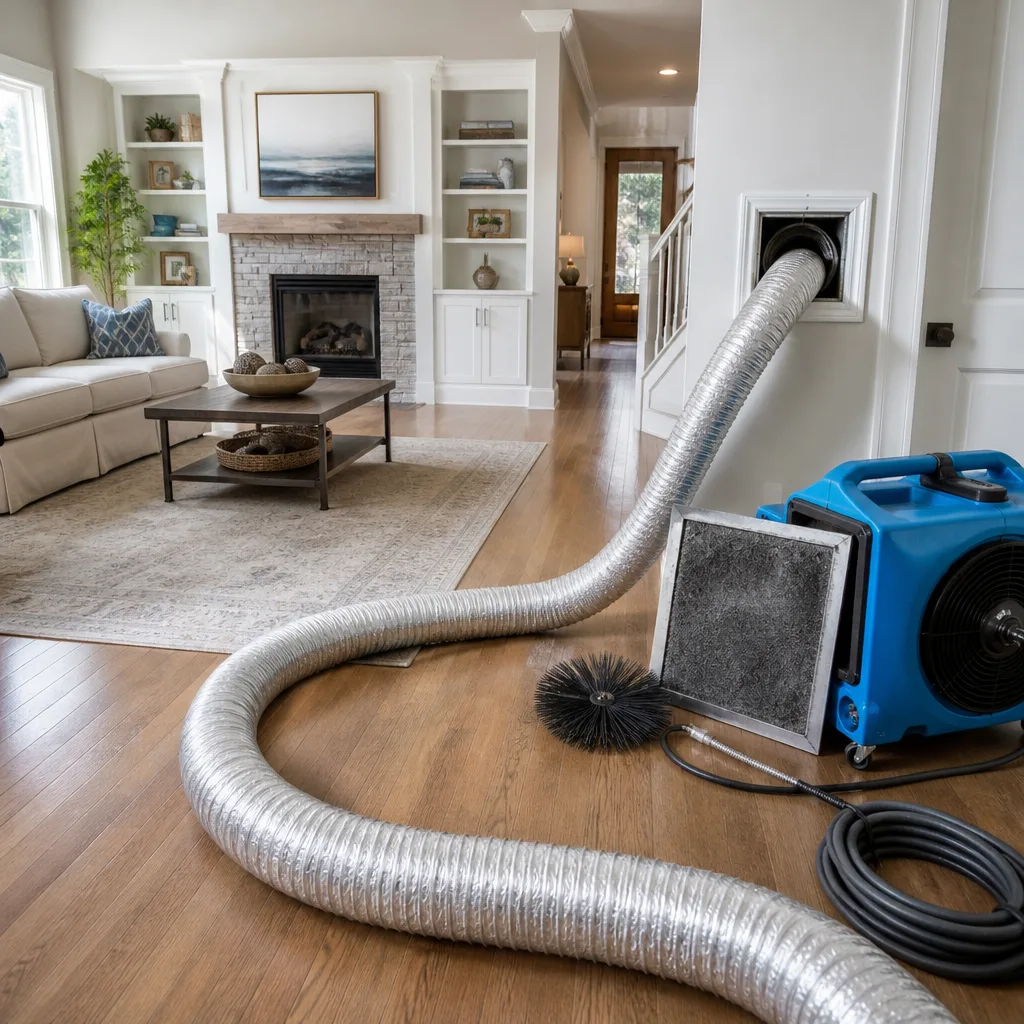 Whole-home duct cleaning
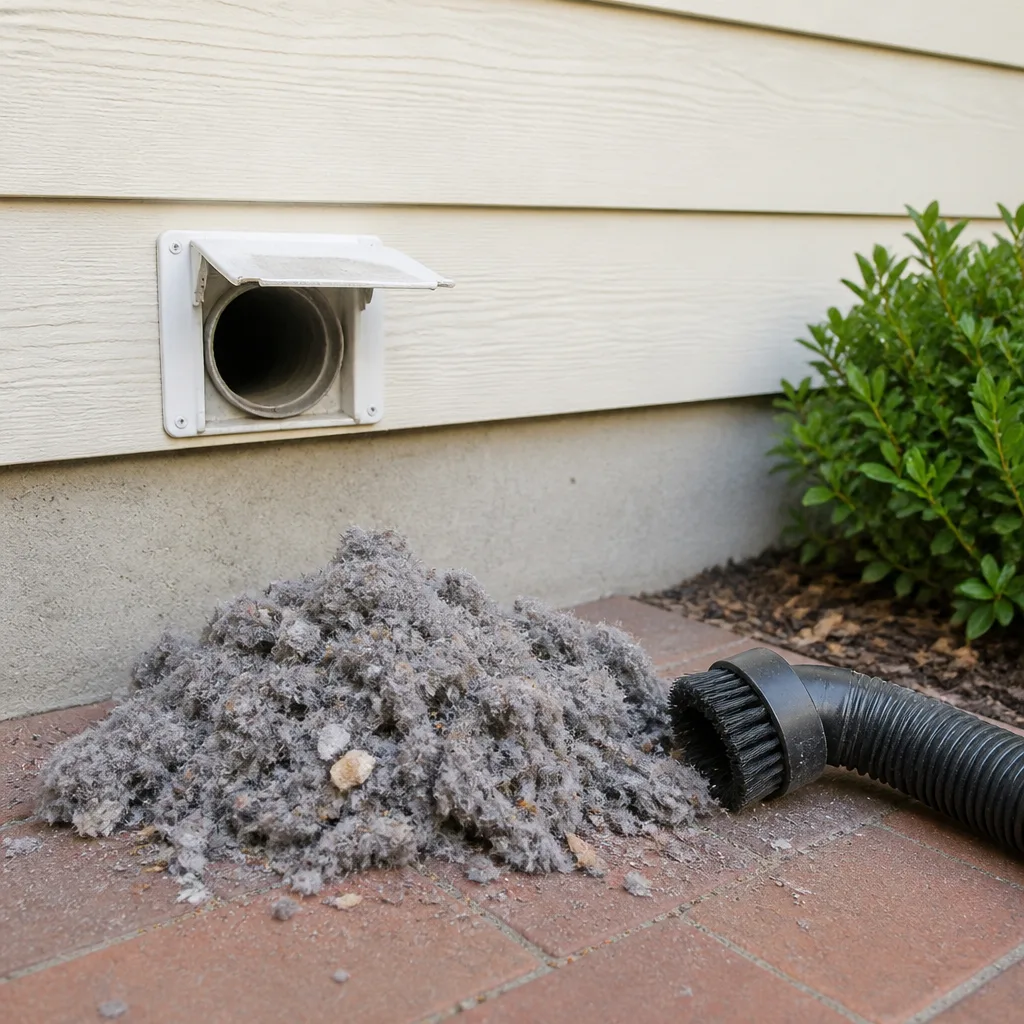 Dryer vent cleaning
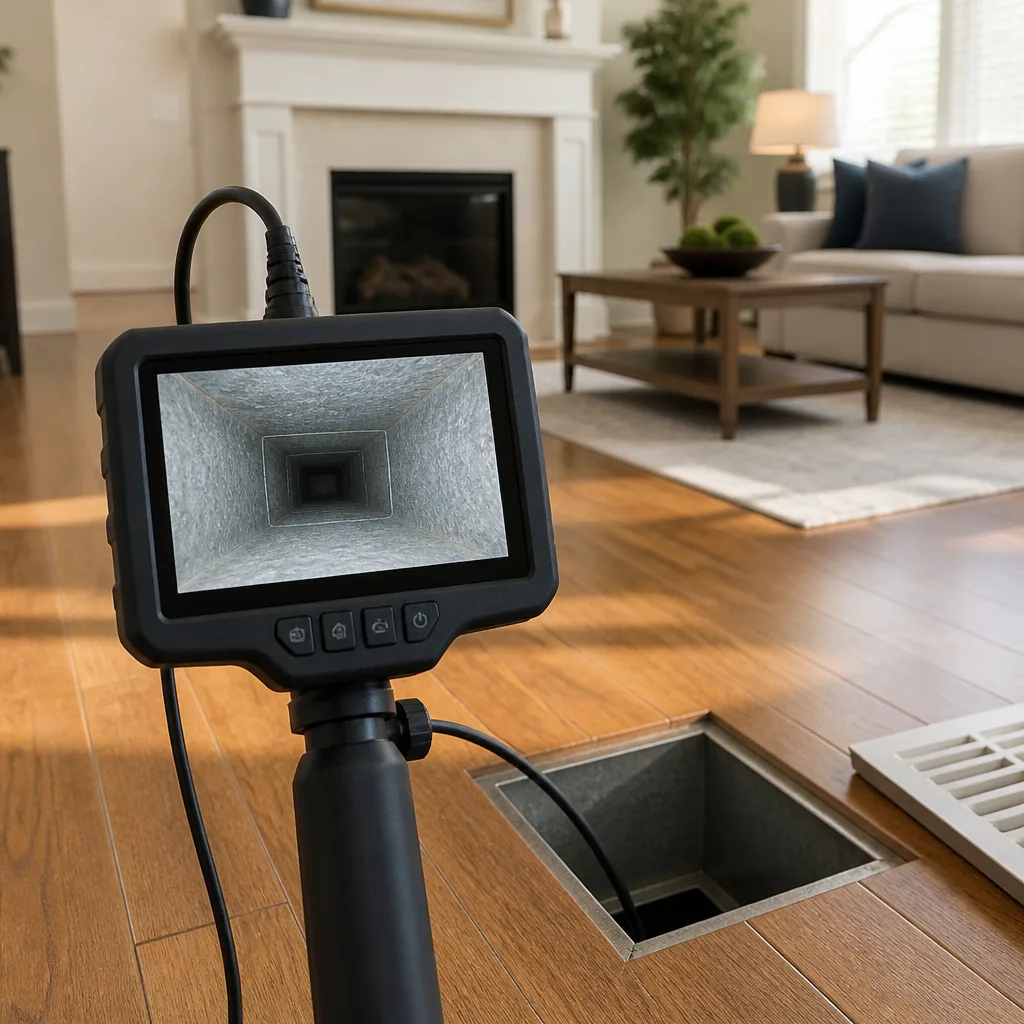 Camera inspection
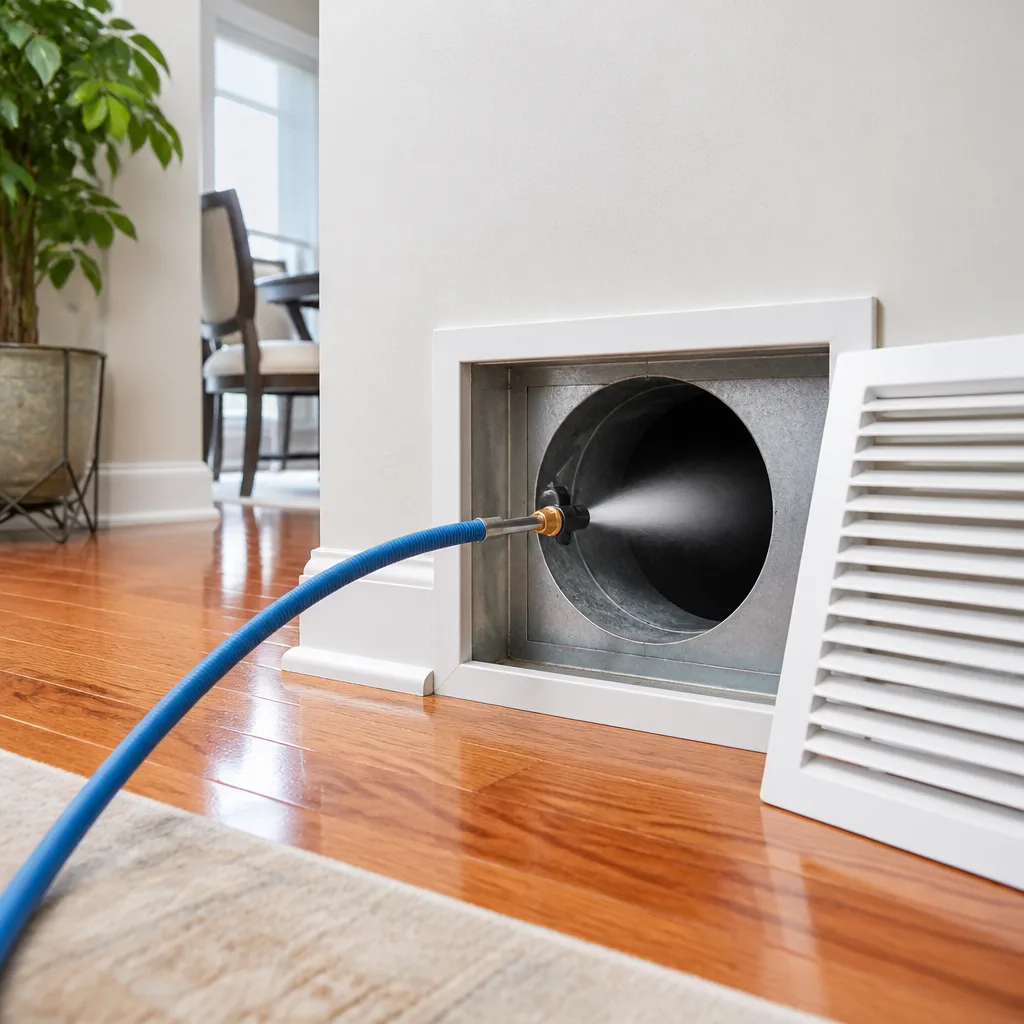 Sanitizing & deodorizing
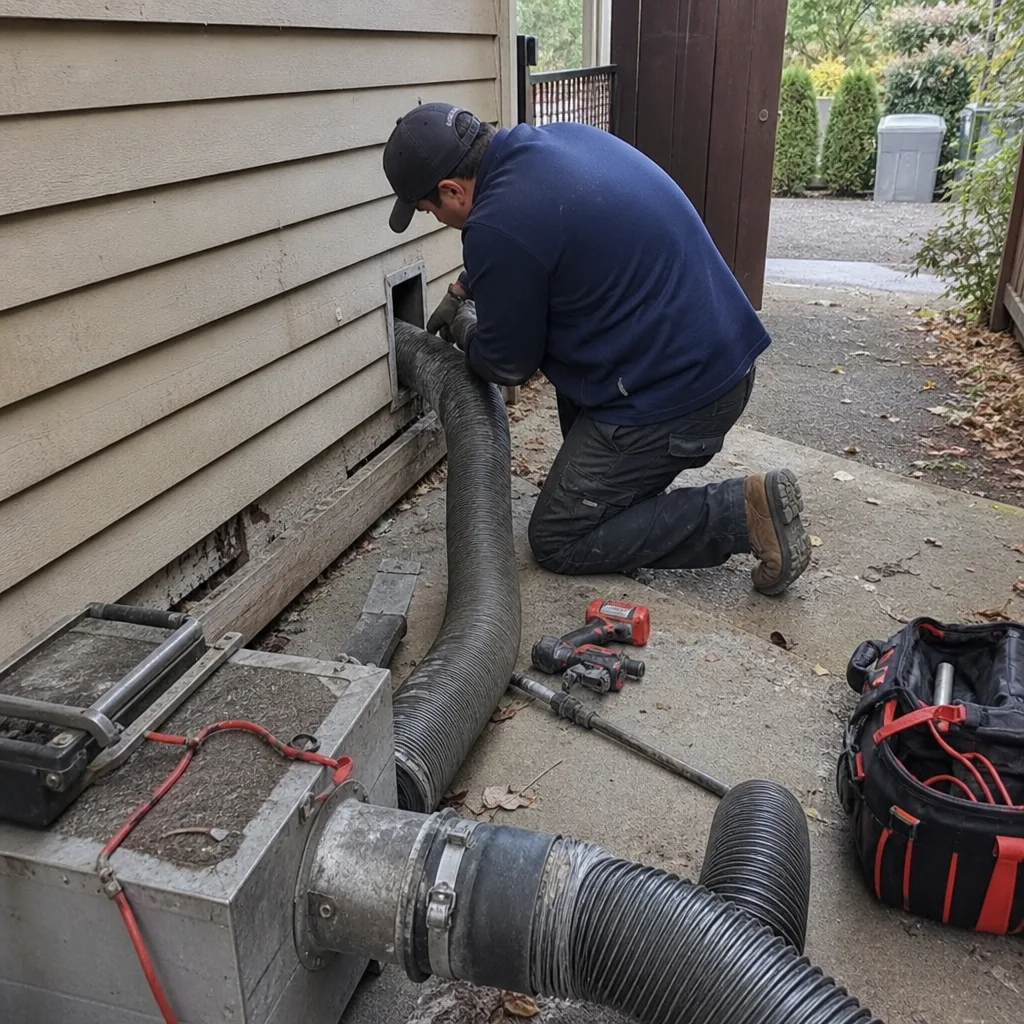
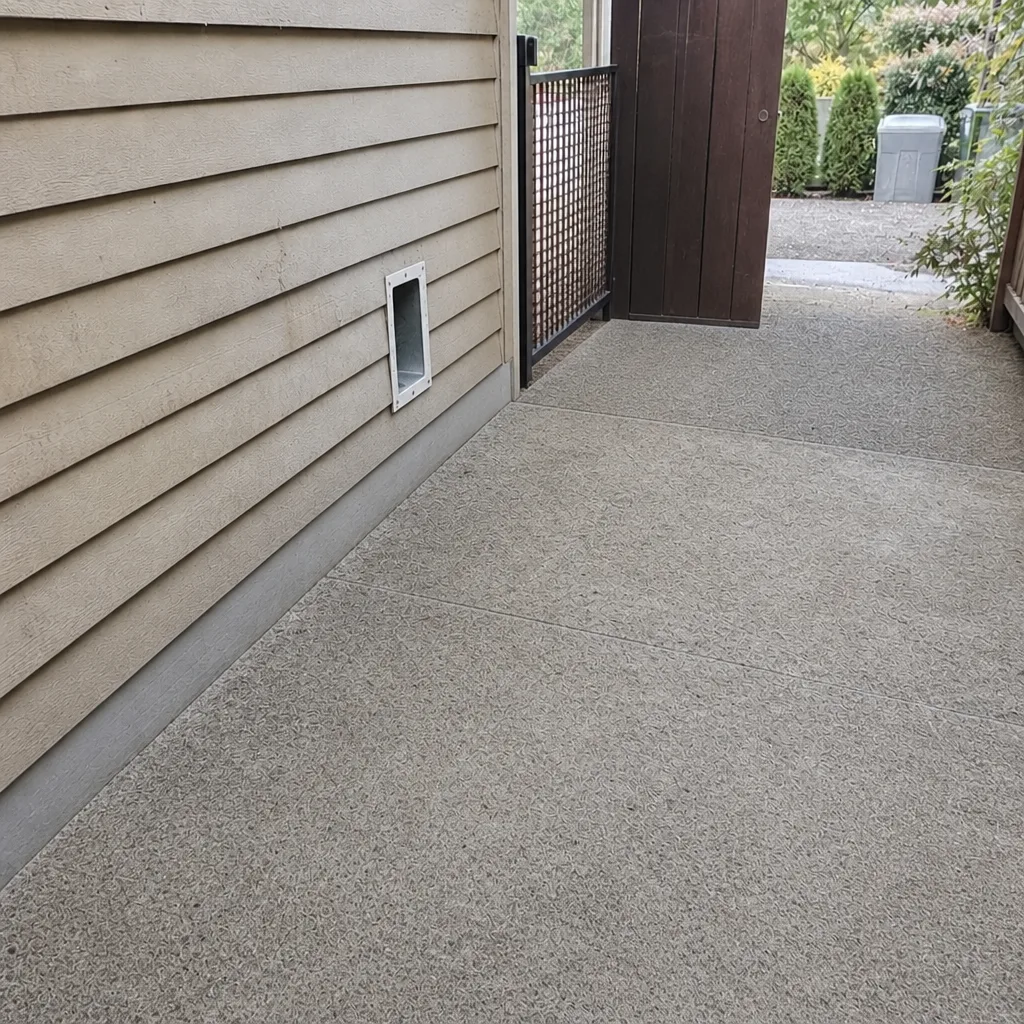
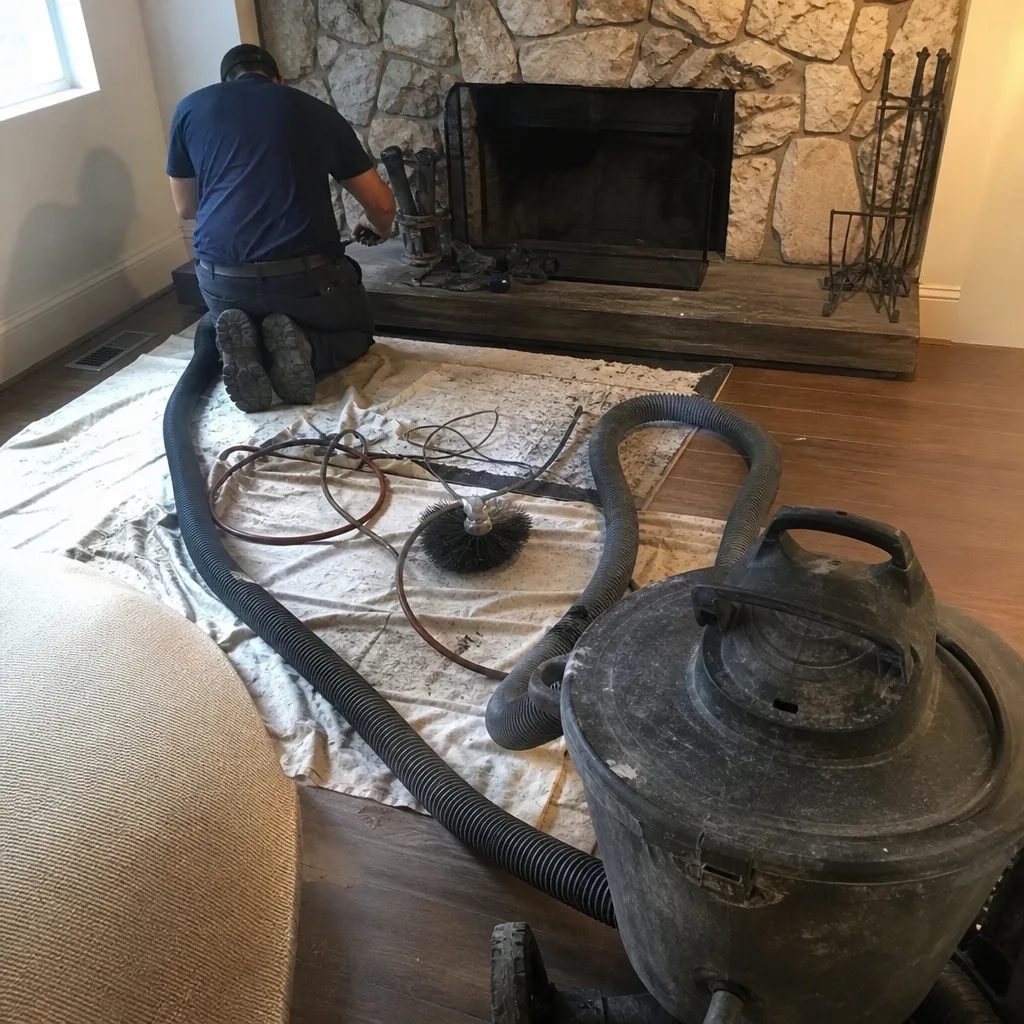
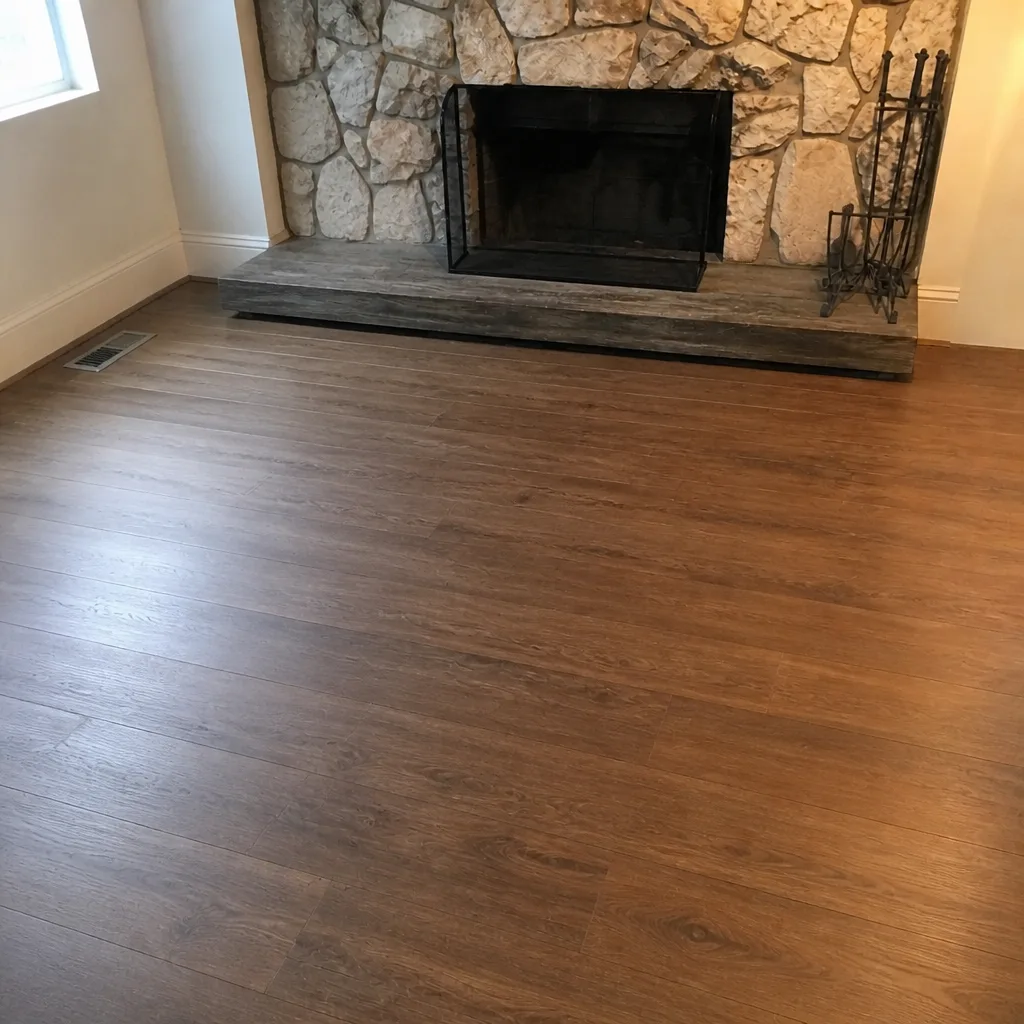
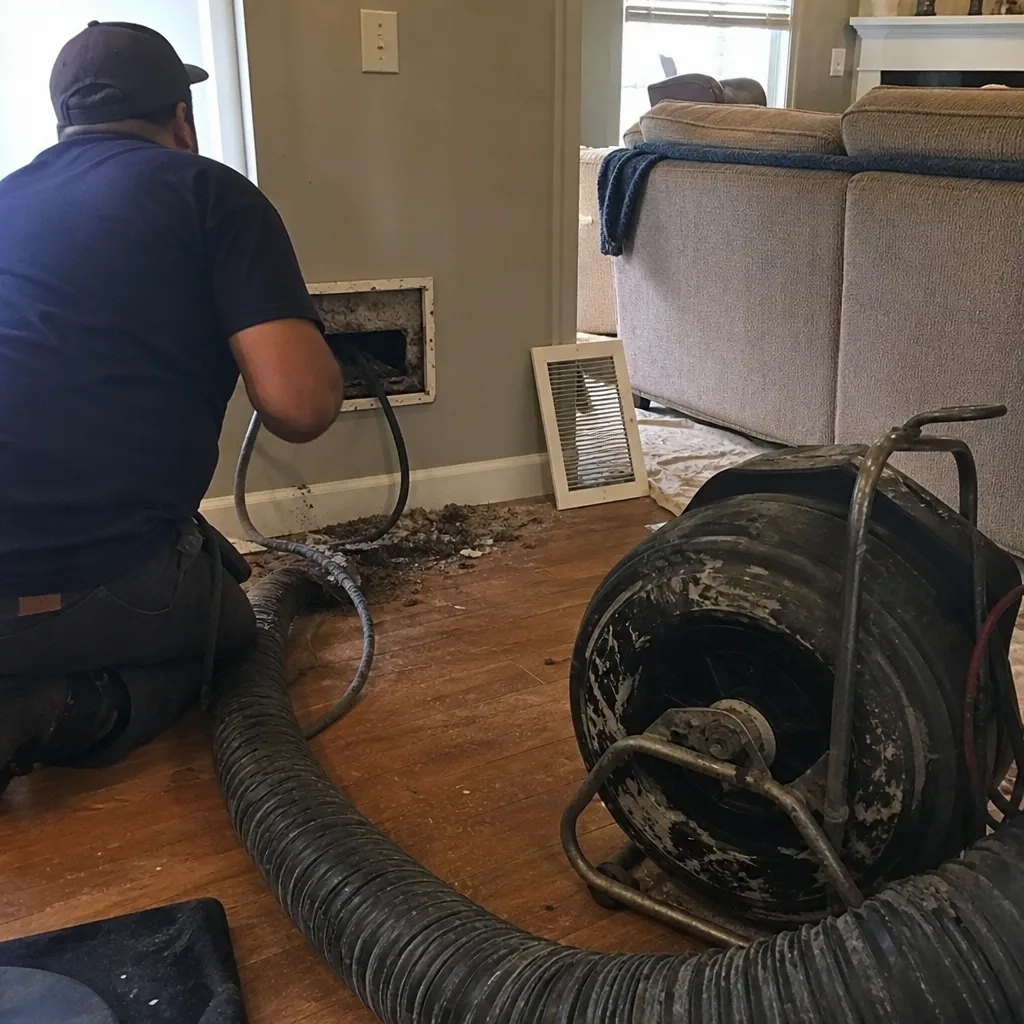
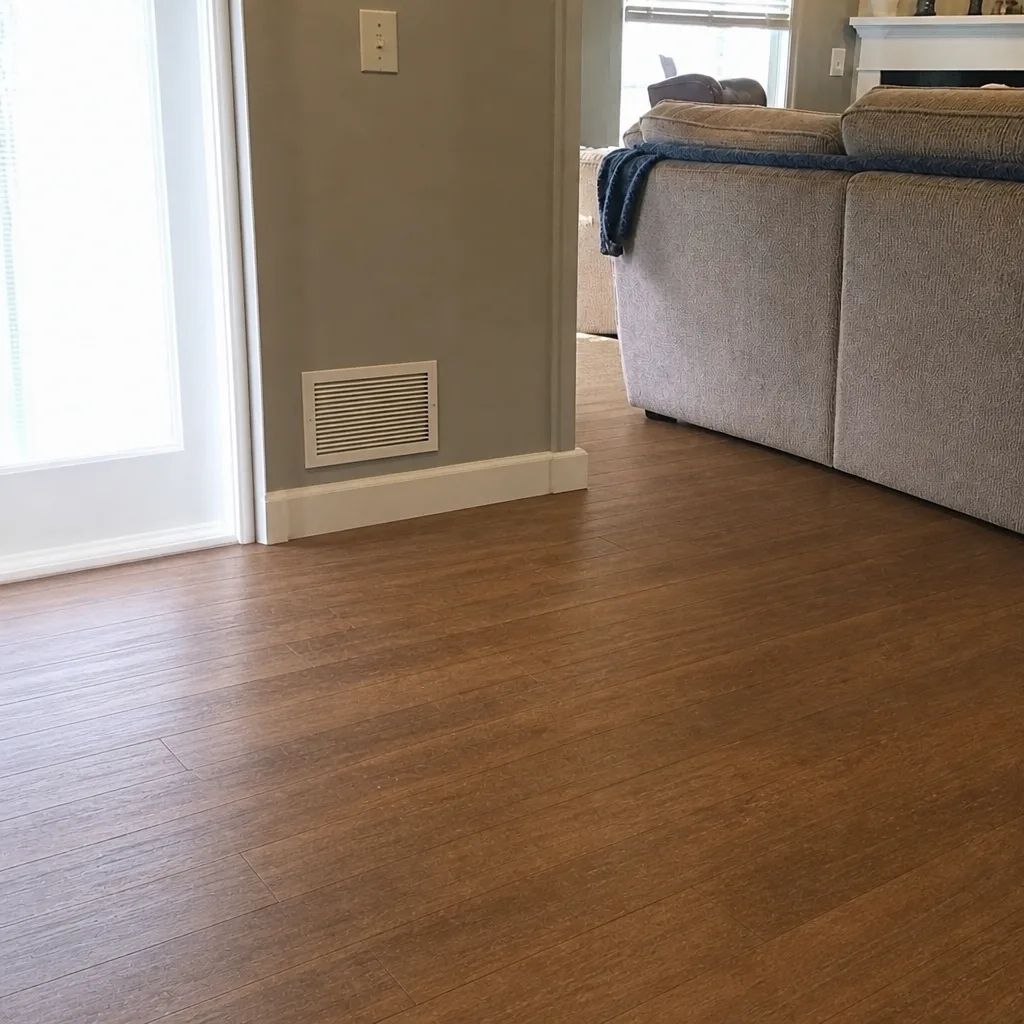
Whole-system duct and dryer vent check with before-and-after photos - you see exactly what came out of your vents
That "$99 whole-house special" is a bait ad - the real number appears once they are in your hallway, or the "clean" is a shop-vac at the register. We photograph the inside of your ducts before and after instead.
Air Duct Cleaning Cost Breakdown: The Redmond Homeowner’s Reference for 2026
A $129 whole-house duct cleaning offer in Redmond is not a bargain. It’s a scope that mathematically cannot include the labor hours, the equipment runtime, or the access work required to actually clean a duct system in a 2,000-square-foot home. Something has to give, and it’s usually the part you can’t see from the living room: the branch runs behind the drywall, the return plenum above the furnace, the grilles nobody pulled. What follows is a breakdown of what a legitimate quote in Redmond actually pays for in 2026, line by line, so you can read a proposal and know what you’re buying before anyone opens a vent. You’ll learn the real price tiers for Eastside homes, which add-ons earn their cost, and which are padding.
Quick Answer
Air duct cleaning for a typical single-family home in Redmond runs roughly $450 to $900 in 2026, depending on square footage, how many branch runs and returns the system has, and whether access cuts are needed. Small condos and townhomes with a single trunk usually land at the low end; larger homes with multiple zones, finished basements, or a system that’s never been cleaned push toward the top. Anything quoted well under $400 for a whole house almost always means registers only, no trunk work, and no access. The written estimate sets the final price, and estimates are free.
Table of Contents
- Why duct cleaning quotes in Redmond vary by four times or more
- Realistic 2026 price ranges by home size and system complexity
- Anatomy of a legitimate quote: what each line item buys
- Which add-ons earn their price and which are routine upsells
- How the Redmond labor market changes the math
- The cost-per-year question: thorough versus incomplete
- How to read a duct cleaning quote in five steps
- Common mistakes to avoid
- When to call a professional
- Frequently asked questions
Why duct cleaning quotes in Redmond vary by four times or more
Three variables account for almost every price gap you’ll see: equipment investment, labor time, and scope completeness. A crew running a truck-mounted vacuum with rotary agitation tools (Rotobrush wands, Nikro contact cleaners, Abatement Technologies negative-air units to trap dislodged debris) has capital tied up the moment the vehicle rolls. A crew with a shop vac and a hose does not. That difference shows up in how thoroughly the trunk and branches get agitated, how long the job takes, and whether your indoor air is protected during the work or coated in dust afterward. We use professional-grade equipment because the alternative doesn’t actually remove the settled debris that causes musty odors, high dust, and allergy flare-ups.
Labor time is the second driver, and it’s where Redmond-specific costs enter. Eastside homes often sit on crawl spaces and tight attic runs, and many were built or retrofitted with flexible duct that needs careful handling. A job that would take two hours in a full open basement can take a full day when a technician is negotiating around structural obstructions, working off ladders, and resealing access points afterward. Quotes that assume a flat national-average labor hour underprice exactly this. A company that quotes a fixed low number hasn’t inspected your system, and they’ve priced for the easiest possible house.
Scope is the third and biggest lever. Common quote styles differ in what they include:
- Registers-only quotes: lifting grilles and vacuuming at each opening. Lowest number, cleanest-looking vents, nothing else touched. Debris in the trunk stays where it was.
- Trunk-plus-registers: adds main supply and return trunk cleaning. Better, but branch runs are often skipped, and that’s where dust settles in flexible duct.
- Full-system quotes: main trunk, every accessible branch run, return plenum, all registers and grilles, plus resealing of any access cuts. This is what actually cleans the system.
- Full-system plus repair: the above, plus finding and sealing the leaks and disconnected joints that keep reintroducing dust. Duct repair and sealing is where cleaning-only companies run out of tools.
Homeowners in Redmond who compare a $129 register clean to a $750 full-system quote are not comparing the same service. They’re comparing two different levels of work described with the same words.
Realistic 2026 price ranges by home size and system complexity
These are typical ranges for Redmond single-family homes. The written estimate is what counts, but these give you a benchmark for judging whether a bid is realistic. Ranges are estimates, not fixed prices.
- Condo or townhome, single trunk, under 1,200 sq ft: roughly $350-$500. One trunk line, a small number of branch runs, a single air handler. Faster job, less equipment runtime.
- Standard single-family, 1,500-2,500 sq ft, one or two zones: roughly $500-$750. Multiple branch runs, full return work, register and grille cleaning, access resealing. This is the most common Redmond job.
- Larger single-family, 2,500-3,500 sq ft, two or more zones: roughly $700-$950. Longer equipment runtime, more branch runs, more access work, often split systems with two air handlers.
- Systems needing access cuts, or with heavy debris load: add roughly $75-$200 depending on how many cuts and how much resealing is required. Access work is labor, and it’s the line item cheap quotes omit.
What each tier buys in practice: labor hours (typically 2-4 hours for smaller jobs, 4-7 hours for larger and more complex cases), equipment runtime (rotary tools need time on each run, and the negative-air setup must run throughout), and scope (how many runs, returns, and registers get genuine attention). When a quote seems low, ask which of these three it assumes. The answer usually explains the number.
Homes in neighborhoods around Redmond, from the older stock near downtown to newer builds on the eastern edges, often have flexible duct in attic runs that requires gentler agitation than rigid metal. That adds time, which adds cost. It’s not upselling; it’s doing the job without damaging the duct liner.
Anatomy of a legitimate quote: what each line item buys
A thorough quote in Redmond should account for every part of the system, from the vent cover to the air handler. If a line is missing, ask about it before signing. Here’s what a real proposal includes:
- Access cuts and resealing. Professional cleaning sometimes needs small openings in duct runs to insert tools and get proper reach. A real quote includes cutting them and sealing them back afterward with foil tape or mastic. Cheap quotes skip this, which is why they can’t reach the debris.
- Main trunk cleaning. The supply trunk line is the largest volume of duct in the house and usually holds the most settled debris. Rotary agitation plus negative air capture is the standard here.
- Branch runs. Every accessible branch run from the trunk to each register. In flexible duct, this is done with softer tools to avoid tearing the liner.
- Registers and grilles. Removal, cleaning, and reinstallation of supply and return covers. This is the only part a register-only quote does.
- Return air plenum. The path from your return grilles back to the air handler. Often skipped and often where the worst buildup lives, especially on the return side.
- Coil inspection (optional). A look at the evaporator coil during the service. If it’s fouled, you’ll know, and you can decide whether the coil itself needs HVAC cleaning beyond duct work. We don’t quote coil work you don’t need.
One thing to watch for: a proposal that says “clean ductwork” without breaking out these lines is telling you it hasn’t sized the job. Ask for the breakdown before you compare numbers. And if you plan to have air duct cleaning done, confirm ahead of time that branch runs and the return plenum are in the scope, not add-ons tacked on at the door.
Which add-ons earn their price and which are routine upsells
Some add-ons are worth the money. Others exist because they’re easy to sell. Here’s the honest split.
Documented value
- Dryer vent cleaning. Lint buildup in a dryer vent is a real fire hazard, and it’s invisible from the laundry room. This is a fire-safety service, not a comfort upsell, and it’s often overlooked by duct-only competitors. It’s worth doing every year or two depending on load volume. If you want this added to a duct job, ask for dryer vent cleaning in the same visit.
- Coil cleaning when inspection shows fouling. A dirty evaporator coil reduces efficiency and can push up energy use. If inspection reveals buildup, cleaning it has a measurable effect. If the coil is clean, skip it.
Marginal or routine
- Duct sanitizer spray. Sanitizers can reduce surface microbial load, but they don’t remove debris, and debris is the actual source of odor and dust. A sanitizer applied to a clean system with verifiable product sourcing (we use Guardsman-backed treatments because they’re named and traceable, not a generic spray) is reasonable if you want it. Applied to a dirty system, it’s a spray over a problem. Cleaning comes first, every time.
- UV light installations. UV lamps mounted near the coil have a narrow use case and are frequently sold as a blanket solution to air quality complaints. If the real problem is settled dust in the branches, a UV light won’t fix it. Ask what problem the add-on is solving and whether cleaning would resolve it first.
- Fragrance or “air freshening” treatments. These mask odor rather than remove its source. If your ducts smell musty, the answer is cleaning and, where needed, sealing of leaks that reintroduce moisture, not perfume.
Redmond homeowners often hear a long menu of add-ons at the door. A specialist will tell you which ones your system actually needs after inspection, and which to skip.
How the Redmond labor market changes the math
National-average pricing data is built from a mix of markets where labor is far cheaper than on the Eastside. Redmond sits in a high-wage, high-cost metro, and that shows up in every line of a duct cleaning quote. Technician time on a Redmond job costs more than the national figure, and the training required to run rotary agitation tools correctly and safely is not entry-level work. Our technicians have up to 12 years of experience because the equipment they use demands it.
Equipment costs also differ. Trucks, negative-air units, HEPA filtration, and the branded tools we use (Rotobrush and Nikro among them) are capital investments that must be maintained and replaced, and those costs are shared per job. A company that has skipped that investment can quote lower and still make money. The lower number reflects less capability, not a better deal.
There’s also a climate angle. Western Washington’s damp, cool winters mean systems run hard for months and duct interiors see more condensation cycling than in dry climates. Homes with unconditioned attic runs are especially prone to dust settling and sticking to duct surfaces. Jobs here often take longer than a national average assumes, because the debris load is heavier and the duct configurations are less accessible.
What this means for pricing: expect Redmond quotes to run 20-40% above what a national calculator suggests. If a quote lands far below that, ask detailed questions about scope, labor hours, and equipment before you hand over a deposit. And be cautious with any company whose price seems aimed at beating a competitor’s coupon rather than covering the actual work.
The cost-per-year question: thorough versus incomplete
Here’s the framing most homeowners never run: divide cost by clean years, not by invoice amount. A $600 thorough cleaning done right (all runs, all returns, proper agitation, access resealed) typically holds up for several years before a re-clean is needed, and it keeps the system running at the efficiency the equipment was designed for. A $200 incomplete clean (registers and a trunk pass, branches untouched) leaves the source of the dust where it was, so the vents look clean for a few weeks and the musty smell returns within a season. Re-cleaning happens sooner, and the total spent over five years often exceeds the cost of the thorough job done once.
Stack efficiency into the math. A system with restricted duct flow makes the blower work harder and raises energy use. Removing the blockage restores flow. That doesn’t produce dramatic savings on an energy bill, but it does reduce strain on the air handler and can extend equipment life. The cost-per-year picture for a clean, sealed system is measurably better than for one that’s been repeatedly half-cleaned.
- Step 1: Ask the quote to state scope. Branches, trunk, returns, registers, access work. All of it, in writing.
- Step 2: Ask for the number of labor hours. If the company won’t state it, the quote isn’t detailed enough to judge.
- Step 3: Divide total cost by expected clean years. Use three years for a thorough system; use twelve months for a registers-only job.
- Step 4: Compare those cost-per-year figures, not invoice totals. That’s the actual decision.
We’ve seen Redmond homeowners pay for the same system twice in three years because the first job only cleaned what was easy to reach. The second visit cost more than doing the right scope the first time would have.
How to read a duct cleaning quote in five steps
When a proposal lands in your inbox, run through these five checks before deciding:
- Is there a scope breakdown? A single line that says “air duct cleaning – $X” without itemizing scope is a red flag. Legitimate quotes separate trunk, branches, returns, and registers.
- Are access cuts and resealing included or excluded? If excluded, the job may not reach the debris, or you may be billed for it after the fact. Ask which.
- What equipment is named? Professional-grade tools are a specificity test. If the quote doesn’t name equipment, ask what will be used inside your ducts.
- Is the add-on menu limited? A long menu of sanitizers, UV lights, and fragrance treatments signals a sales-first operation. A specialist recommends add-ons after inspection.
- Is there a written estimate with a final price? Prices should be one flat price per system, agreed before work starts. Per-vent pricing invites cost creep; skip it.
If a quote fails three or more of these checks, the bottom-line number isn’t worth comparing. You can request a free written estimate from us and see what a scope-complete quote looks like. We’re the Redmond Air Duct Cleaning Pros team, and we believe you should be able to read a proposal and know exactly what you’re buying.
Common Mistakes to Avoid
- Comparing bottom-line numbers without comparing scope. A $149 quote and a $650 quote rarely cover the same work. Always match scope to price before deciding. In a market like Redmond, the gap usually reflects omitted branch work or missing access cuts.
- Buying a coupon before an inspection. Coupons and door-hanger offers are timed to close a sale before anyone’s looked at your system. Ask for the scope, not the discount. Per-vent teaser pricing is especially hard to judge because it grows at the door.
- Skipping the return side. Registers and supply trunk get the attention; the return plenum often carries the worst buildup. Confirm it’s included.
- Letting access cuts be sealed with tape only. Resealing needs to hold long-term. Ask how access cuts will be closed after work.
- Paying for a sanitizer to solve a dust problem. Sanitizing has a place on a clean system. It does not replace cleaning. If the problem is debris, remove it first.
- Ignoring the dryer vent. Homeowners in Redmond who have their HVAC ducts cleaned often forget that dryer vent cleaning is a separate fire-safety service with its own value. It’s worth doing, and it’s easy to overlook.
- Not asking about repair and sealing. A system that leaks or has disconnected joints will re-dirty itself. Cleaning without sealing can mean a shorter interval before the next job.
When to Call a Professional
Some problems are obvious: visible dust puffing from a register when the system starts, musty odor that returns within a week of opening windows, allergy flare-ups that line up with HVAC cycles, or energy bills that drift up without a rate change. Others are quieter: a system that hasn’t been cleaned in years (especially if you’ve recently done a remodel), a home you just bought with no maintenance history, or a dryer that takes two cycles to dry a load. Any of these is the point to get an inspection. Duct repair and sealing, air quality work, and full-system cleaning are all jobs that belong to a specialist who can inspect, diagnose, and fix in one visit.
Redmond Air Duct Cleaning Pros offers free estimates in Redmond. Call (877) 492-3883. We answer 24/7. Fast dispatch from 7am to 7pm, Sunday through Friday.
Frequently Asked Questions
For a typical Redmond single-family home, expect roughly $450-$900 depending on square footage and system complexity. Condos and townhomes at the low end, larger multi-zone homes at the upper end, plus $75-$200 if access cuts are needed. The written estimate sets the final price. Call (877) 492-3883 for an exact quote; estimates are free.
Cheap quotes almost always mean registers-only or trunk-only work, no access cuts, and shorter equipment runtime. Some also use per-vent teaser pricing that grows once the technician is on site. A lower number reflects less scope, not a better deal. Ask exactly what’s included and whether branches and returns are covered. Call (877) 492-3883 for a scope-complete estimate.
Ask for before-and-after photos of your own ducts, not stock images. A specialist can show you the return plenum and branch runs before and after service, and can point to the access cuts that were opened and resealed. If a company won’t document the work, that’s your answer. Call (877) 492-3883 to schedule an inspection with documentation.
Most homes do well on a three-to-five-year cycle, shorter if you have pets, allergies, or recently finished a remodel. Systems with known leaks or disconnected joints should be repaired and sealed first, or the interval shortens. The right schedule follows the system, not a sales calendar. Call (877) 492-3883 to talk through your home’s specifics.
Only after cleaning. A Guardsman-backed treatment applied to a clean system can be reasonable if you want surface microbial load reduced; applied to a dirty system it’s covering the problem, not solving it. We recommend cleaning first, then discussing sanitizing if the symptoms call for it. Call (877) 492-3883 with questions.
It makes it heavier. Western Washington’s damp winters mean hard HVAC runtime and more condensation cycling in unconditioned attic runs, so dust settles faster and debris loads tend to be thicker. Jobs here often take longer than a national average assumes. Call (877) 492-3883 and we’ll size the job to your system.
The Bottom Line
The price gap in Redmond duct cleaning quotes isn’t random. It tracks equipment investment, labor hours, and scope. A $129 offer and a $750 proposal are describing two different jobs with the same words. Read any quote for what it itemizes: trunk, branches, returns, registers, access cuts, resealing. Then divide the total by clean years and compare cost-per-year, not invoice totals. A thorough job done once beats an incomplete one done twice. And when an add-on appears at the door, ask what problem it solves that cleaning doesn’t. If you want a scope-complete written estimate, call (877) 492-3883 for a free estimate; we answer 24/7, with fast dispatch from 7am to 7pm, Sunday through Friday. You can also read more about our HVAC cleaning and air duct cleaning services, or get in touch with the Redmond Air Duct Cleaning Pros team for a full-system look at your home.
Written by the team at Redmond Air Duct Cleaning Pros.
Styles & brands we work with
- Whole-home duct cleaning
- Dryer vent cleaning
- Camera inspection
- Sanitizing & deodorizing
See the difference
 Before
 After
 Before
 After
 Before
 After