
Last updated November 25, 2026
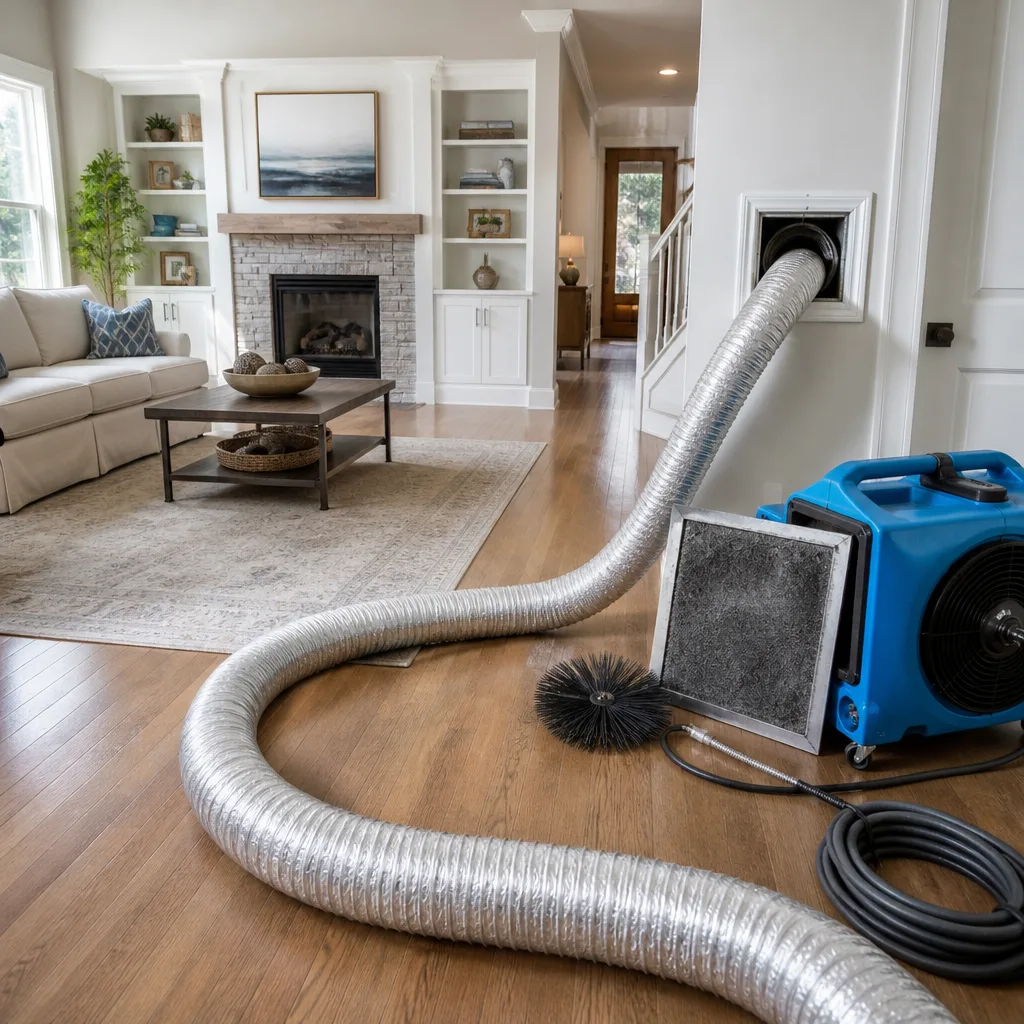 Whole-home duct cleaning
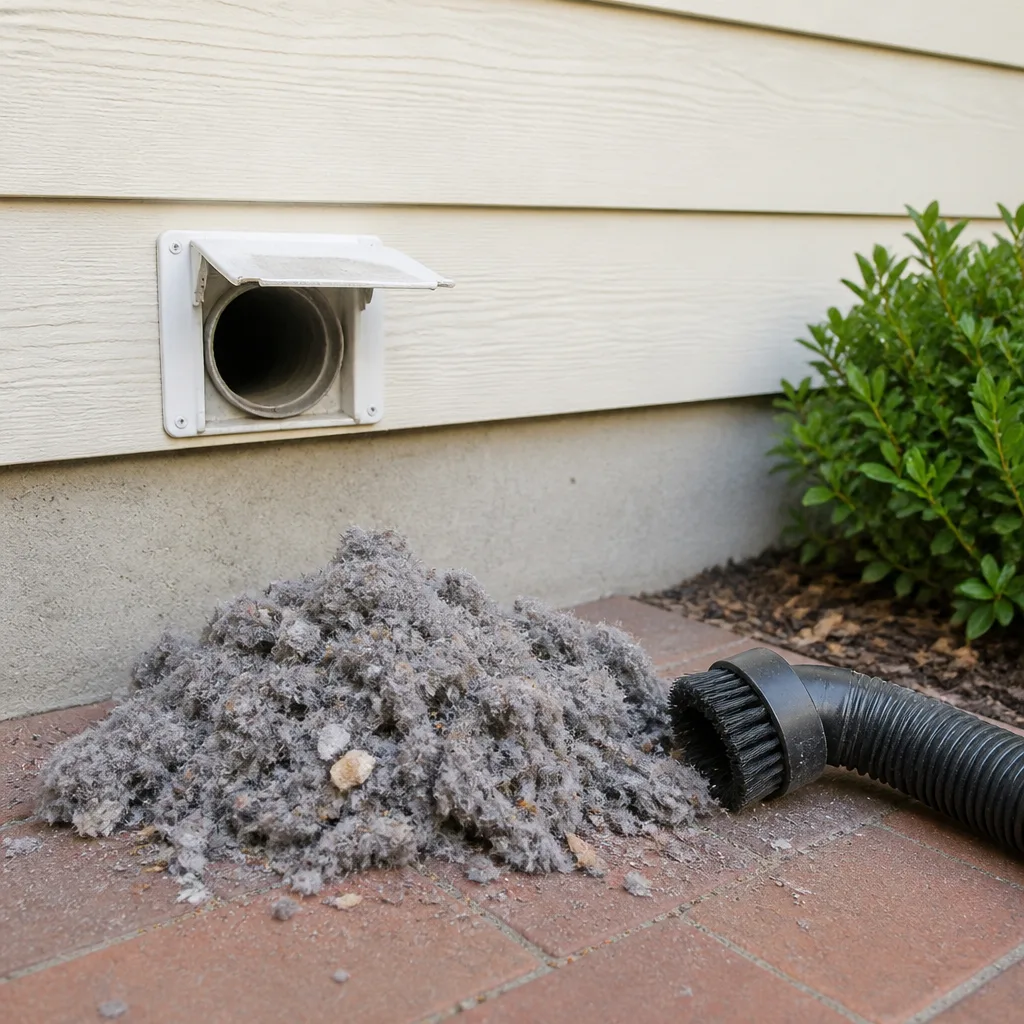 Dryer vent cleaning
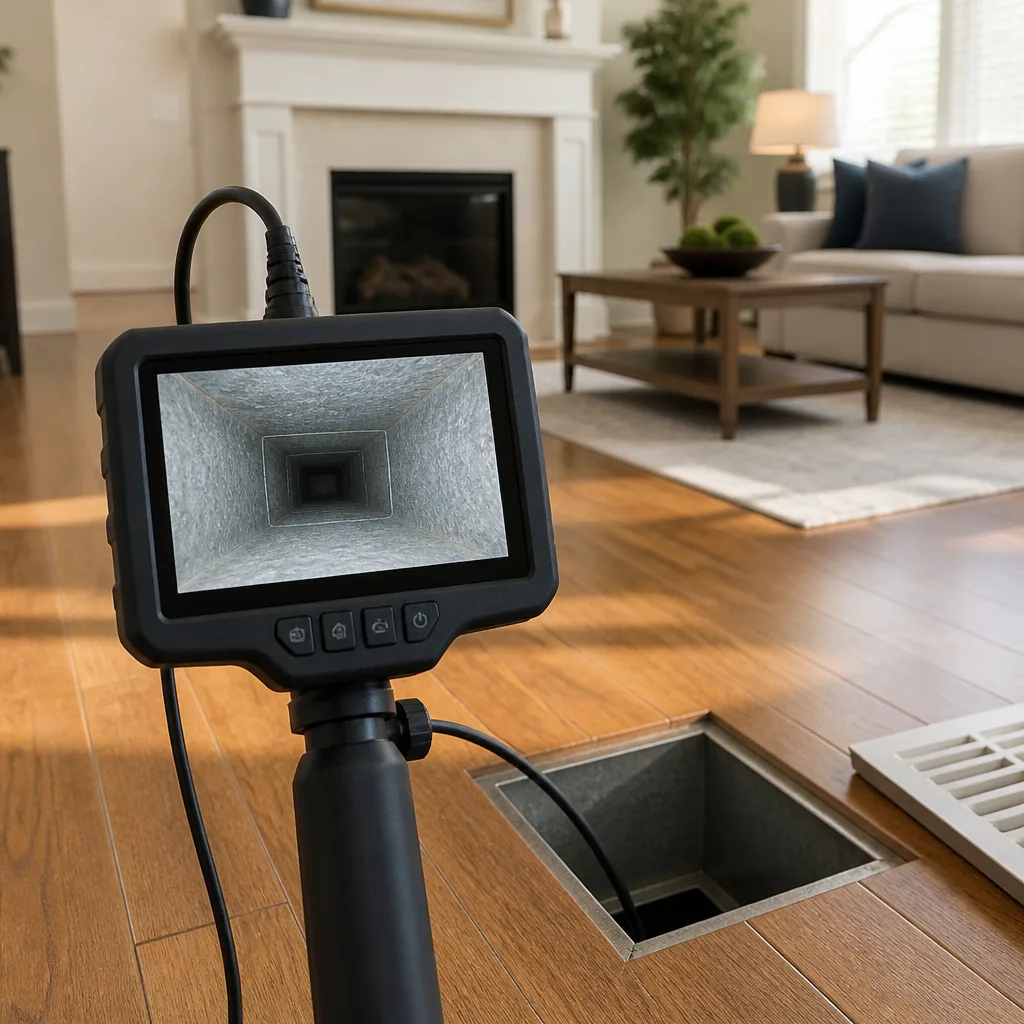 Camera inspection
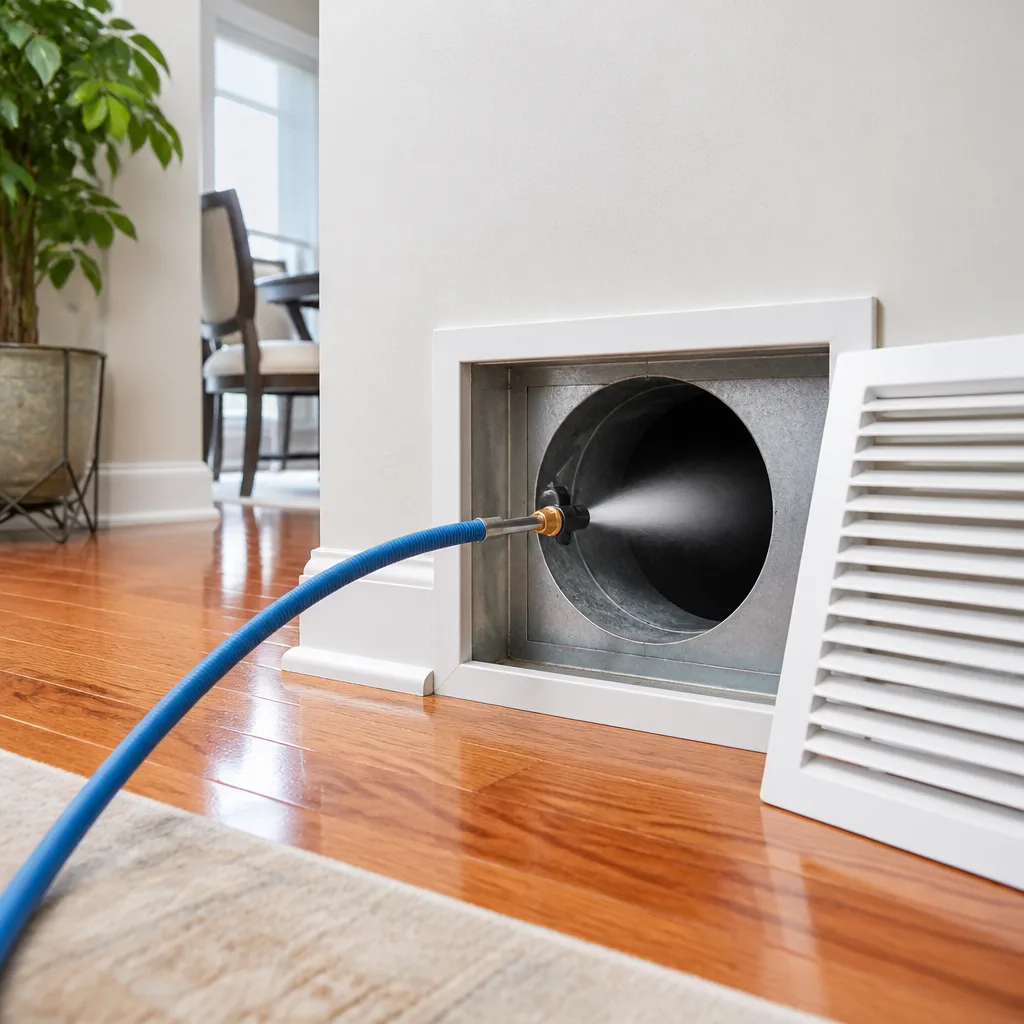 Sanitizing & deodorizing
Whole-system duct and dryer vent check with before-and-after photos - you see exactly what came out of your vents
That "$99 whole-house special" is a bait ad - the real number appears once they are in your hallway, or the "clean" is a shop-vac at the register. We photograph the inside of your ducts before and after instead.
DIY vs Professional Air Duct Cleaning: The Redmond Homeowner’s Decision Guide
The most popular DIY duct cleaning method, pulling off the register covers and vacuuming whatever debris you can see, reaches roughly 8% of the duct surface area in a typical Redmond home. The other 92% stays exactly where it was, and the disturbance you created can lift settled particulate back into the airstream. That’s not a knock on your effort. It’s physics. Consumer vacuums can’t move enough air. This guide is honest about what you can do yourself, what you genuinely can’t, and how to tell the difference before you spend a weekend hunched over a shop vacuum in a Redmond hallway.
Quick Answer
DIY duct cleaning is worth doing for register covers, return grilles and filter changes, but it cannot clean duct interiors because a household vacuum doesn’t produce the negative pressure needed to dislodge contamination from duct walls. Professional cleaning uses truck-mounted or high-capacity equipment that pulls 500+ CFM of negative pressure while a filtration unit captures what’s released. In Redmond, professional cleaning becomes non-negotiable after wildfire smoke events, renovation dust, or where occupants have respiratory conditions.
Styles & brands we work with
- Whole-home duct cleaning
- Dryer vent cleaning
- Camera inspection
- Sanitizing & deodorizing
Table of Contents
- The Physics Behind Source Removal: Why a Shop Vac Can’t Do This
- What DIY Duct Cleaning Legitimately Accomplishes
- How DIY Attempts Can Make the Professional Job Harder
- Redmond Scenarios Where Professional Cleaning Isn’t Optional
- The Honest Cost Comparison for a Redmond Home
- How to Verify the Work Was Actually Done
- How to Choose a Duct Cleaning Company in Redmond
- Common Mistakes to Avoid
The Physics Behind Source Removal: Why a Shop Vac Can’t Do This
Every duct cleaning conversation eventually comes down to one number: negative pressure, measured in cubic feet per minute. A professional system connected to the trunk line pulls enough air through the ductwork to break the adhesion between contamination and the metal or flex liner it’s clinging to. A 120V shop vacuum, the strongest tool most homeowners own, generates a fraction of that airflow. It can reach the opening. It cannot reach the wall.
Think about what’s actually inside a Redmond return duct after a few seasons. Dust accumulates and then compacts against the walls, and in some homes it picks up enough moisture to mat into a sticky film. That film doesn’t respond to suction. It responds to sustained agitation paired with airflow strong enough to carry the loosened material out of the system entirely.
This is why professional work happens in three simultaneous stages:
- Agitation. A rotary brush or air whip travels the length of each branch line, breaking the bond between contamination and duct wall.
- Negative pressure. The collection unit holds the entire system under suction so dislodged material moves toward the unit, not into living spaces.
- Capture. A filtration unit, like the Abatement Technologies systems we run during service, traps what’s been released instead of letting it settle into the room.
Remove any one of those three and you’re not cleaning. You’re moving dirt around. That’s the difference between a source removal job and a homeowner with a hose attachment, and it explains why a duct cleaning in Redmond done properly takes hours, not minutes.
What DIY Duct Cleaning Legitimately Accomplishes
We’re not going to tell you there’s nothing worth doing yourself. There is. A homeowner who handles the surface-level work consistently keeps their system in better shape between professional cleanings, and some of it is genuinely useful.
Here’s what makes a real difference:
- Register and grille cleaning. The covers are the one part of the system you can actually reach. Remove them, wash them in a sink or tub, dry them fully, and reinstall. This removes a surprising amount of visible dust and it’s genuinely worth doing a couple of times a year.
- Filter maintenance. Changing the filter on schedule is the single highest-value thing most Redmond homeowners can do for indoor air quality. A clogged filter starves the system and pushes dust back through the return.
- Dryer vent visual inspection. Pull the dryer out, disconnect the vent, and look inside the duct with a flashlight. If you can see lint buildup, that’s your signal to schedule dryer vent cleaning. Lint accumulation in a dryer vent is a real fire concern and it’s one of the most overlooked maintenance items in any home.
- Around-the-register dusting. Dust collecting on the ceiling near a supply register usually means the boot or the nearby branch line is dirty. Cleaning the visible surface doesn’t fix the source, but it keeps the room from looking neglected while you plan the real work.
What DIY does not accomplish: cleaning the interior walls of the supply and return trunk lines, cleaning the branch runs, cleaning the air handler cabinet or the evaporator coil, or cleaning the blower assembly. Those components require access, equipment and pressure that a homeowner doesn’t have. Be honest with yourself about which category each task falls into.
How DIY Attempts Can Make the Professional Job Harder
This is the part most guides skip, and it’s where Redmond homeowners get surprised. A well-intentioned DIY attempt can genuinely complicate the professional cleaning that follows, sometimes enough to change the scope of the job.
Two things happen most often:
- Disturbed debris gets pushed deeper. When a shop vacuum is applied to a dirty return, the airflow is strong enough to loosen dust from the first few feet of duct but not strong enough to carry it out. The result is a cloud of material deposited further down the run, sometimes in a section that’s harder to reach.
- Flex duct connections get dislodged. A lot of Redmond homes have flex duct in the attic or crawlspace, and those connections are held by tape, mastic or zip ties. Yanking on a register boot or inserting a vacuum nozzle can pull the inner liner loose from its collar. That creates a leak into the attic, which means the system is now pulling attic air into the living space instead of conditioned air.
Once a connection is compromised, cleaning alone won’t fix it. That’s where duct repair and sealing becomes part of the job, and it’s why the specialist who cleans should also be able to inspect and repair. Cleaning around a damaged connection just moves the problem down the road.
If you’ve already had a go at it yourself, tell the technician what you did. That context helps them focus on the sections most likely to need attention.
Redmond Scenarios Where Professional Cleaning Isn’t Optional
Some situations in Redmond fall well past the DIY question. These are the ones where we’d tell a homeowner to skip the shop vacuum entirely and schedule a proper cleaning.
After a wildfire smoke season. Western Washington has had multiple summers where wildfire smoke settles into the Puget Sound region for extended stretches. Smoke particles are small enough to pass through standard filters and accumulate inside ductwork, where they contribute to the musty, smoky smell that lingers in a home long after the air outside clears. Cleaning the system after a heavy smoke season genuinely matters, and DIY vacuuming won’t reach the deposits.
After a renovation. Drywall dust is one of the most damaging things that can enter a duct system. It’s fine, it’s abrasive, and it coats surfaces. Any Redmond home that’s had walls opened, flooring replaced or a kitchen redone should have the ducts cleaned before the new occupants settle in. The dust doesn’t just sit there; it cycles through the system and settles on every surface in the house.
Homes with immunocompromised occupants. If someone in the household has asthma, severe allergies, an autoimmune condition or is undergoing treatment, the standard is different. This is where sanitizing becomes a real consideration, and where named, traceable products matter. Guardsman-backed sanitizing treatments are a specific, verifiable product, not a generic spray, and that distinction is worth asking about.
Suspected mold. If you can smell a persistent musty odor even after cleaning the visible surfaces, or if you can see dark staining around a register or inside the air handler, get a professional assessment. Mold inside a duct system is a job for someone who can identify the moisture source, clean properly, and repair or seal the affected section. Vacuuming mold-contaminated surfaces with a household vacuum can spread spores through the room.
Persistent dust and rising energy bills. When a Redmond home shows both together, the likely cause is a leak somewhere in the system. Cleaning helps, but finding and sealing the leak is what actually changes the bill. Our HVAC cleaning service covers the air handler and coil, which is where a lot of homeowners are surprised to find the real accumulation.
The Honest Cost Comparison for a Redmond Home
We’re not going to pretend we know exactly what you’d spend on supplies. What we can be straight about is what the DIY path delivers versus what professional cleaning delivers, because the comparison that matters isn’t dollars; it’s the result.
Here’s the honest breakdown of what each approach produces:
- DIY supplies and time: A shop vacuum attachment kit, a brush, replacement filters, an afternoon per attempt. Weeks of “did this actually work?” uncertainty afterward.
- DIY result: Clean register covers, a maintained filter, and a duct interior that looks essentially the same as it did before you started. Visible dust reduced. Contamination at depth unchanged.
- Professional cost: A whole-system range quoted before work starts, based on the number of runs, system size and condition. The written estimate is what sets the price; expect a typical residential Redmond job to land in a four-figure range that varies with the home.
- Professional result: Register-to-air-handler cleaning with documented before-and-after photos, sanitizing where appropriate, and repair or sealing if inspection turns up a leak.
The comparison falls apart the moment you ask what a homeowner is actually buying. DIY buys a cleaner-looking vent cover. Professional cleaning buys a cleaner system plus a documented record of what was done. If someone in your home is sensitive to dust, that second outcome is usually the one that matters.
The other cost consideration is repeat work. A DIY attempt that dislodges a flex connection creates a repair job that didn’t exist before. That’s real money, and it’s the kind of thing that turns a “free” project into a phone call.
For a sense of what our Redmond whole-system visits typically involve, our air duct cleaning page walks through the process step by step.
How to Verify the Work Was Actually Done
The biggest hesitation homeowners have about hiring a duct cleaning company is simple: how do I know they didn’t just run a vacuum through the register and charge me for it? In an industry with a reputation for bait-and-switch pricing, that’s a fair question, and it has a concrete answer.
The verification steps worth insisting on:
- Before-and-after photos of your own ducts. Not stock images. Photos taken inside your system, at your registers, during the actual job.
- A scope discussion before work begins. Every register, every return, every branch counted up front. You should know exactly which vents will be cleaned and which won’t.
- One flat price per system, agreed in writing. No per-vent pricing, no price that changes mid-job because the technician “found something.”
- The air handler and blower inspected. Ask specifically whether these were accessed and cleaned. If the answer is vague, the job wasn’t full-scope.
- Sanitizing documented. If sanitizing was part of the quote, the product name and quantity should appear on the paperwork.
Ask for these things at booking, not after. Any company that hesitates on the photos is telling you something useful. The best time to find out is before the visit, so ask about verification before you schedule. In our view, a company that runs Rotobrush or Nikro equipment and does the work properly should have no trouble documenting it. Specificity is verification.
How to Choose a Duct Cleaning Company in Redmond
The right company answers equipment questions without flinching. Ask what system they run and what filtration they use on site. If the answer involves a brand name you can look up, that’s a good sign. If it involves “we use a high-powered vacuum,” that’s not an answer; that’s a script.
Specific questions worth asking:
- What equipment are you running? Rotobrush and Nikro systems are what we use because they’re specified for commercial and industrial duct remediation. That’s the standard we hold ourselves to.
- How do you capture dislodged debris during cleaning? Filtration on site is what separates a real cleaning from a redistribution job.
- Can you repair and seal ducts, or only clean? A cleaning-only service has to sell you on cleaning whatever’s not broken and leave the leaks alone. We can find and fix the problem.
- What sanitizing product do you use? Named, traceable products like Guardsman matter. So does knowing that the company supports the Honeywell and Aprilaire product lines that HVAC professionals specify by name.
- Is dryer vent cleaning part of the visit? If the answer is no, you’re working with a duct-only service. Dryer vent cleaning is a fire-safety concern that shouldn’t be an afterthought.
And one thing to ask your neighbors about: whether the crew cleaned the full system or only the registers. In Redmond, as in most of the Eastside, most of the complaints we hear trace back to a company that charged for surface work and called it done. Ask for the before-and-after photos. Ask for the scope. Then decide.
Common Mistakes to Avoid
- Vacuuming the return first. The return line carries the dirtiest air in the system, so a shop vacuum on a dirty return pushes loose dust deeper into the run before anything gets captured. Leave the return alone unless you’re using equipment that can pull it out completely.
- Yanking register boots to clean them. In Redmond homes with attic or crawlspace flex duct, those connections are taped or mastic-sealed and don’t tolerate sideways force. A pulled connection leaks attic air into your living space and costs more to fix than the cleaning would have.
- Buying a “duct cleaning” coupon before asking what it covers. A low advertised price usually corresponds to one register or a superficial pass. Ask how many vents are included and what the technician does in the air handler.
- Skipping the filter relationship. Filter changes are the cheapest air quality improvement available. A homeowner who changes filters on schedule but lets ducts accumulate for years is winning half the battle.
- Assuming the dryer vent is fine because the dryer still works. A dryer that runs doesn’t prove the vent is clear. Lint buildup is gradual and doesn’t always show up in drying time until it’s substantial.
- Cleaning after renovation is over but before the dust settles. Schedule the cleaning after the drywall work and finish sanding are complete. Cleaning before the dust settles means doing the job twice.
- Ignoring a musty smell as “just how the house smells.” A persistent musty odor in a Redmond home is usually telling you about moisture in the system or the air handler. Get it inspected before it becomes a bigger problem.
See the difference
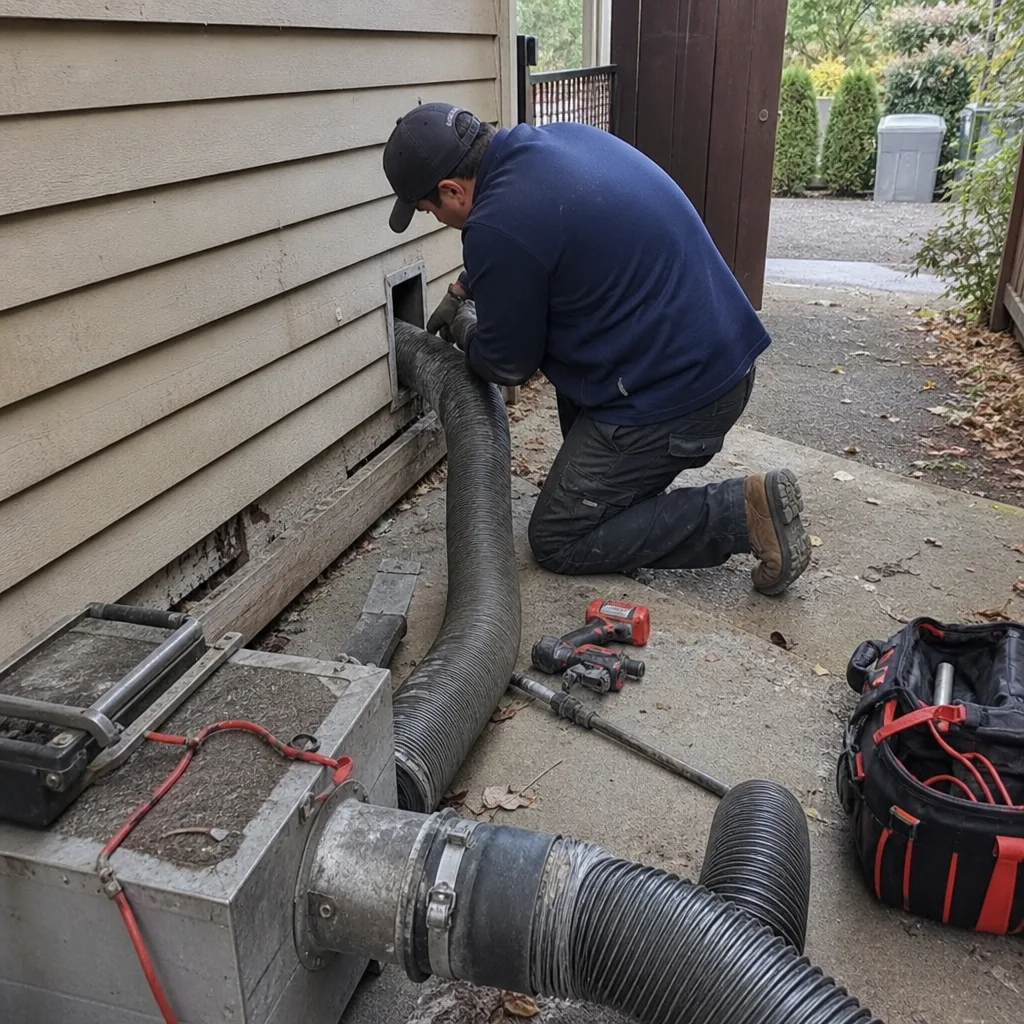 Before
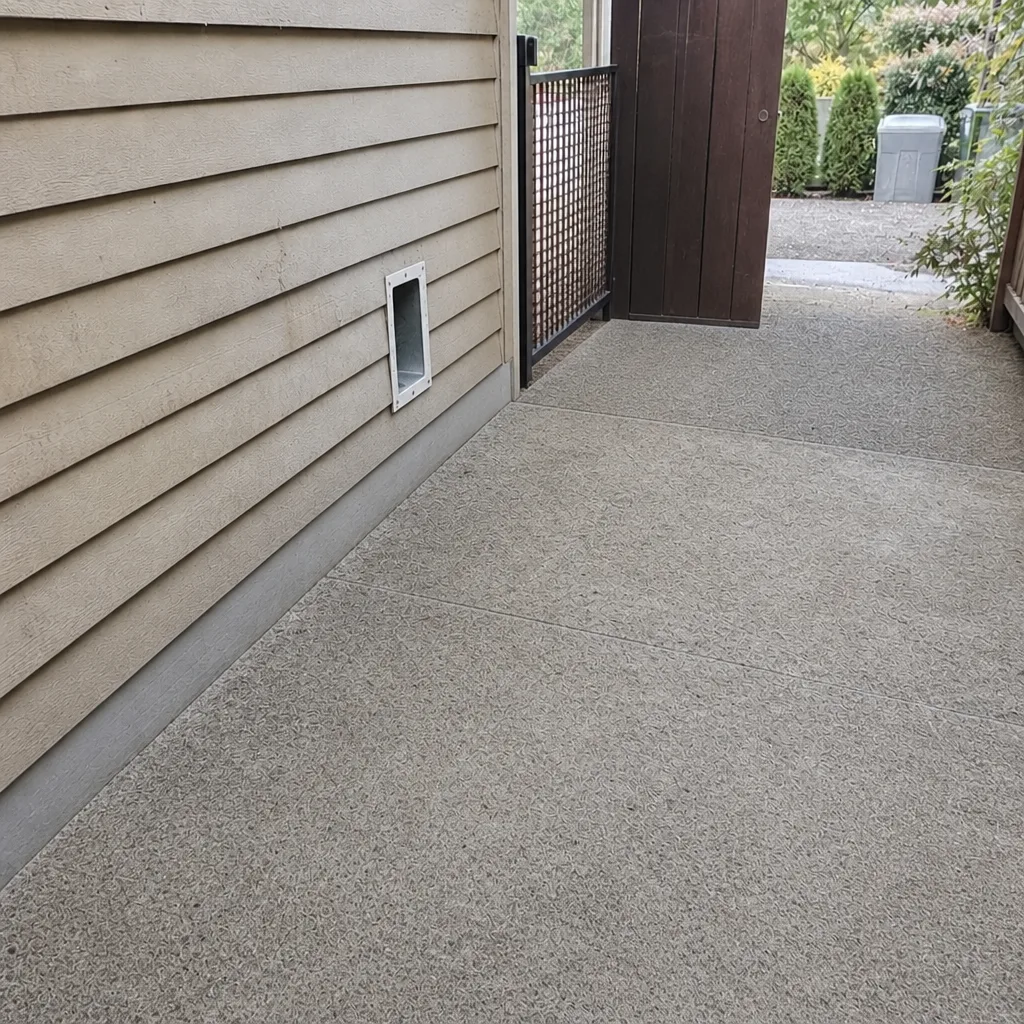 After
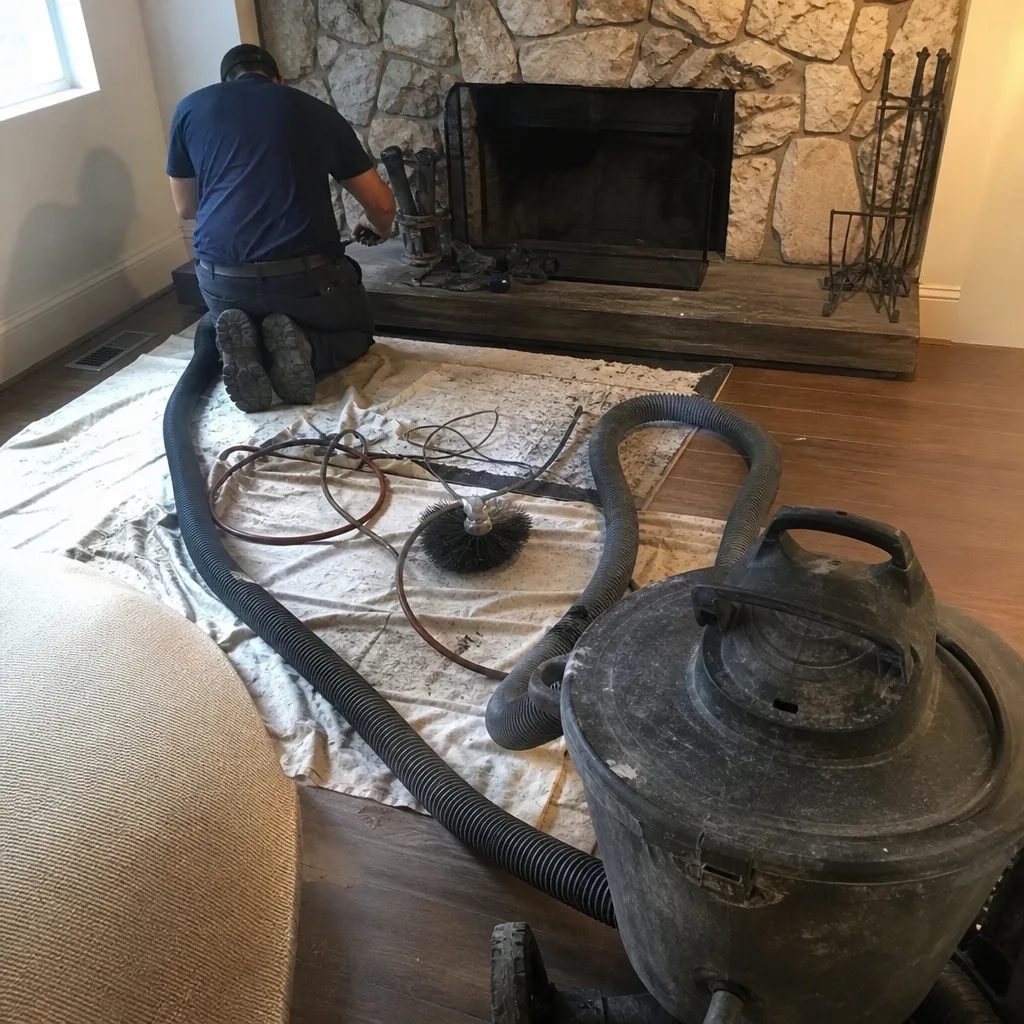 Before
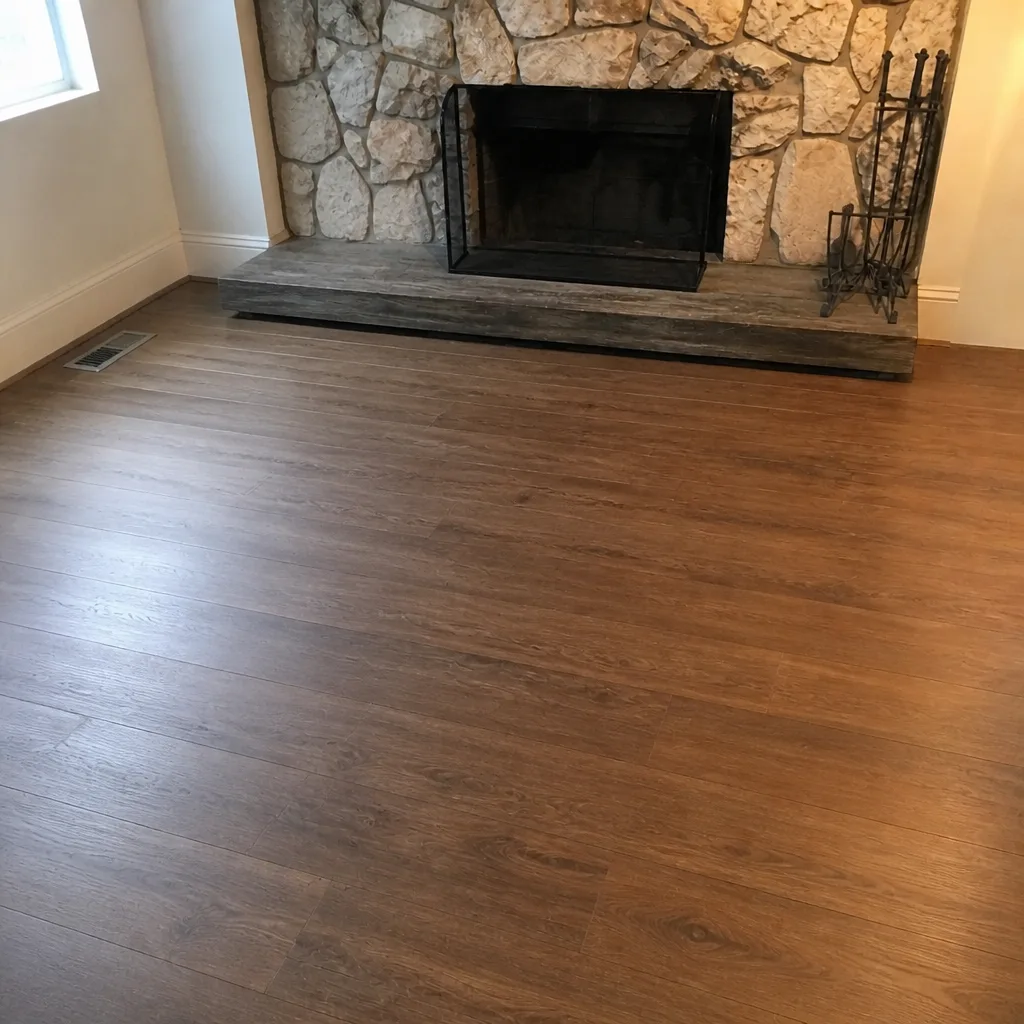 After
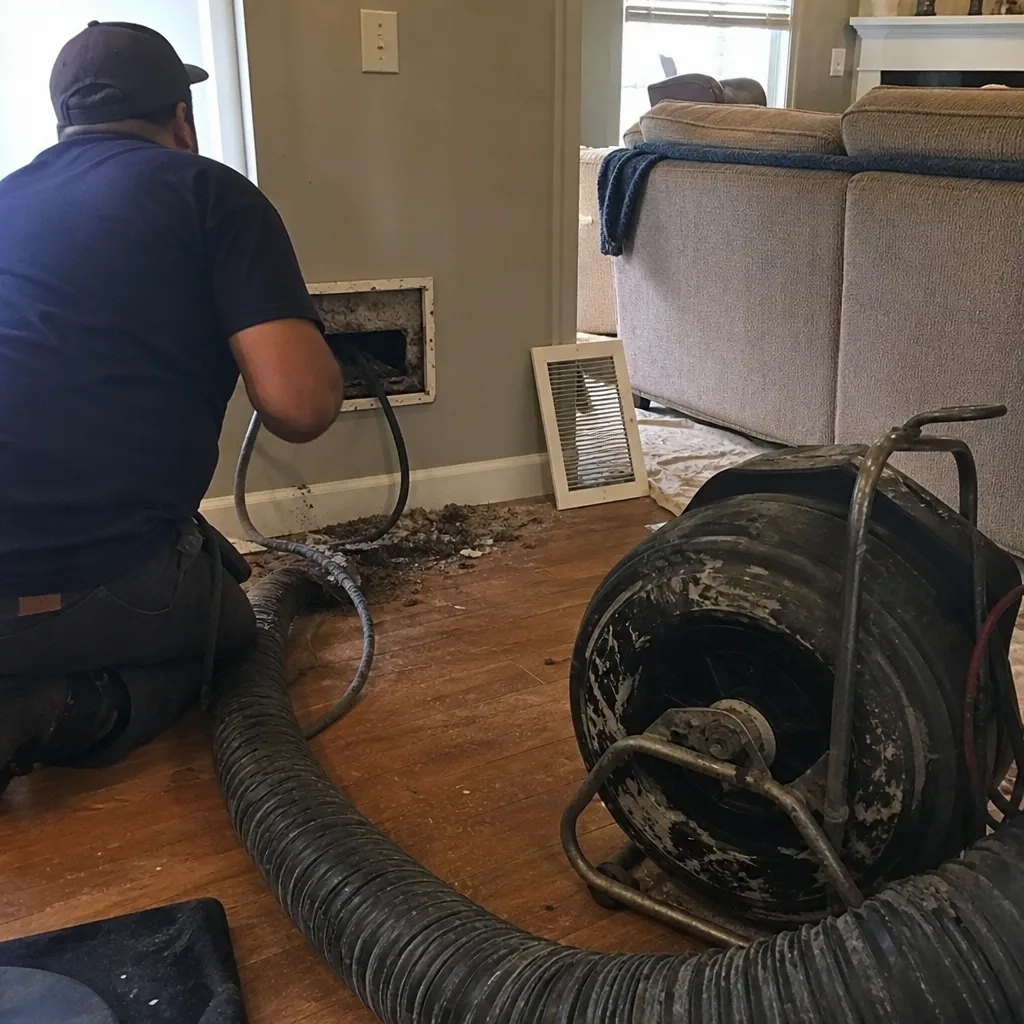 Before
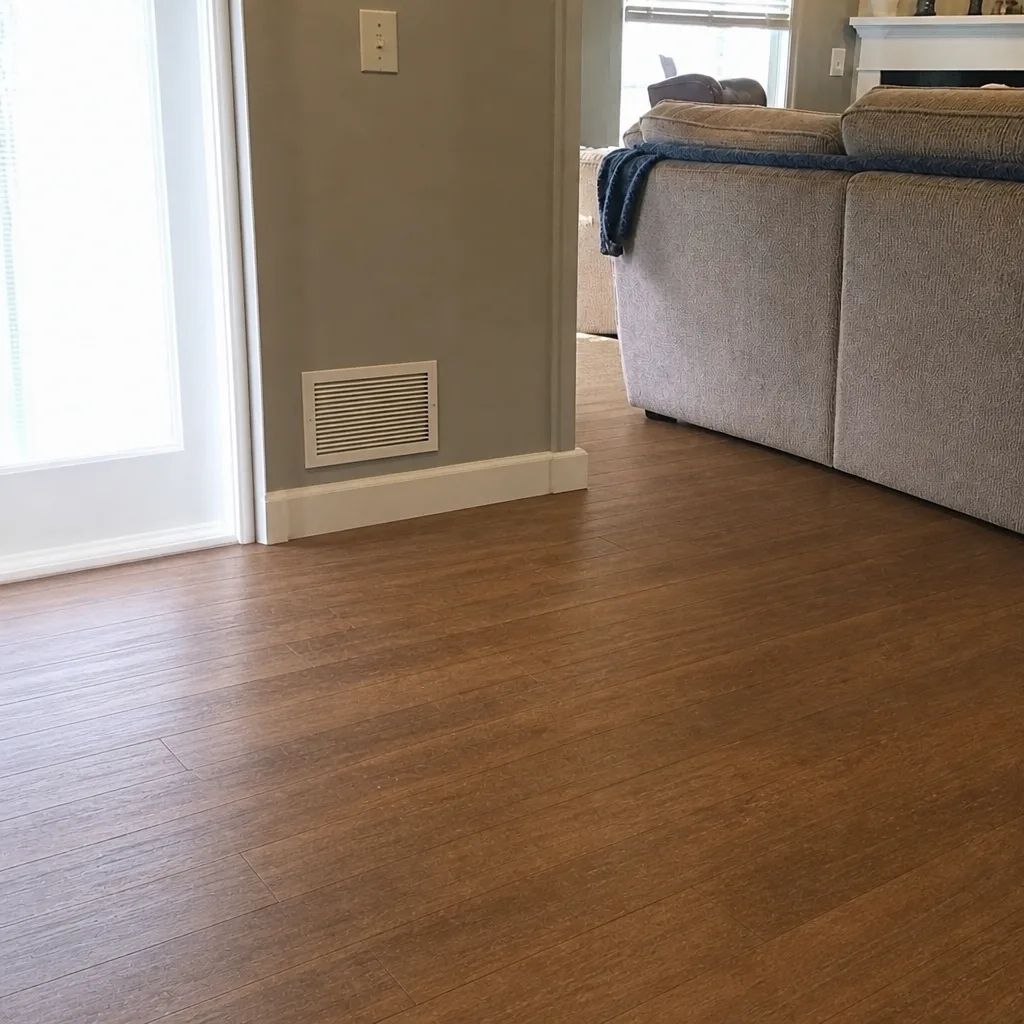 After
When to Call a Professional
Call a professional when the situation calls for source removal rather than surface maintenance: after a renovation, after a heavy smoke season, when dust is accumulating faster than it used to, when there’s a persistent musty smell in the system, or when someone in the home has a health condition that makes indoor air quality a real concern. Call if you suspect a duct is leaking, if your energy bill has climbed without a change in habits, or if you simply don’t know the last time the system was cleaned. Those are the conditions where the DIY path stops making sense.
Redmond Air Duct Cleaning Pros offers free estimates in Redmond. We use professional-grade equipment, we quote per job in writing, and we can repair and seal what we clean. Call (877) 492-3883. We answer 24/7. Fast dispatch from 7am to 7pm, Sunday through Friday. Our technicians have up to 12 years of experience.
Frequently Asked Questions
Partly. Cleaning register covers, maintaining filters, and inspecting your dryer vent are genuinely worth doing yourself and make a real difference between professional visits. Cleaning duct interiors is not something a shop vacuum can accomplish, so treat DIY as maintenance, not as a substitute for source removal. Call (877) 492-3883 for an exact quote on the professional side; estimates are free.
Most Redmond homes do fine on a cleaning cycle measured in years rather than months, but the honest answer depends on the home. A house with pets, a busy renovation schedule, or a recent smoke season may need it sooner. Homes with allergy sufferers often benefit from a shorter cycle. The right interval is the one your system actually needs, so ask about it during the estimate rather than committing to a fixed schedule.
Cheap quotes are usually cheap because the scope is smaller than it sounds. A low advertised price for “duct cleaning” often covers one pass on a handful of registers, with no air handler access, no filtration on site, and no photos afterward. The full job takes equipment and time, and a quote that doesn’t reflect that isn’t a bargain; it’s a smaller job. Ask what’s included before comparing prices. Call (877) 492-3883 for a scope-based quote; estimates are free.
Ask for before-and-after photos of your own ducts at booking, and confirm one flat price per system in writing before anyone starts. Those two things separate real work from a visit that produces an invoice and a smile. A technician who can photograph the inside of a duct before and after should have no hesitation about sharing the images. If they do hesitate, take that as your answer.
It can help, but be realistic about what cleaning does and doesn’t fix. Removing accumulated dust from the system reduces one significant source of airborne particulate. If your symptoms persist after a cleaning, the more likely issue is a filter that’s undersized or changed too rarely, or a duct leak pulling in unfiltered air. A full HVAC cleaning and a duct inspection together are the right starting point.
Yes, most commonly by dislodging a flex duct connection. Attic and crawlspace ductwork in Redmond homes is often held together with tape, mastic or zip ties, and sideways force on a register boot can pull the liner loose from its collar. That creates a leak that wasn’t there before and requires repair and sealing to fix. If a connection does come loose, stop and call a professional rather than trying to reattach it yourself.
The Bottom Line
The DIY vs. professional question isn’t really about willingness. It’s about whether the tool you have can do the job, and on duct interiors it can’t. Consumer vacuums lack the pressure to break contamination off the duct wall and the capture capacity to keep it out of your air. What DIY genuinely accomplishes, registering cleaning and filter maintenance and dryer vent inspection, is worth doing on its own terms. What it can’t do is clean the system, and attempts often make the professional job harder by disturbing debris or dislodging connections. In Redmond, where wildfire smoke and renovation dust are real seasonal factors, the calculation usually points toward a professional cleaning done once and done right. Clean ducts, sealed ducts. Breathe the difference.
Ready to move past the shop vacuum? Call (877) 492-3883 for a free estimate. We answer 24/7, and fast dispatch runs from 7am to 7pm, Sunday through Friday.
For the full picture of what we do, start with Redmond Air Duct Cleaning Pros.
Written by the team at Redmond Air Duct Cleaning Pros.