
Last updated November 25, 2026
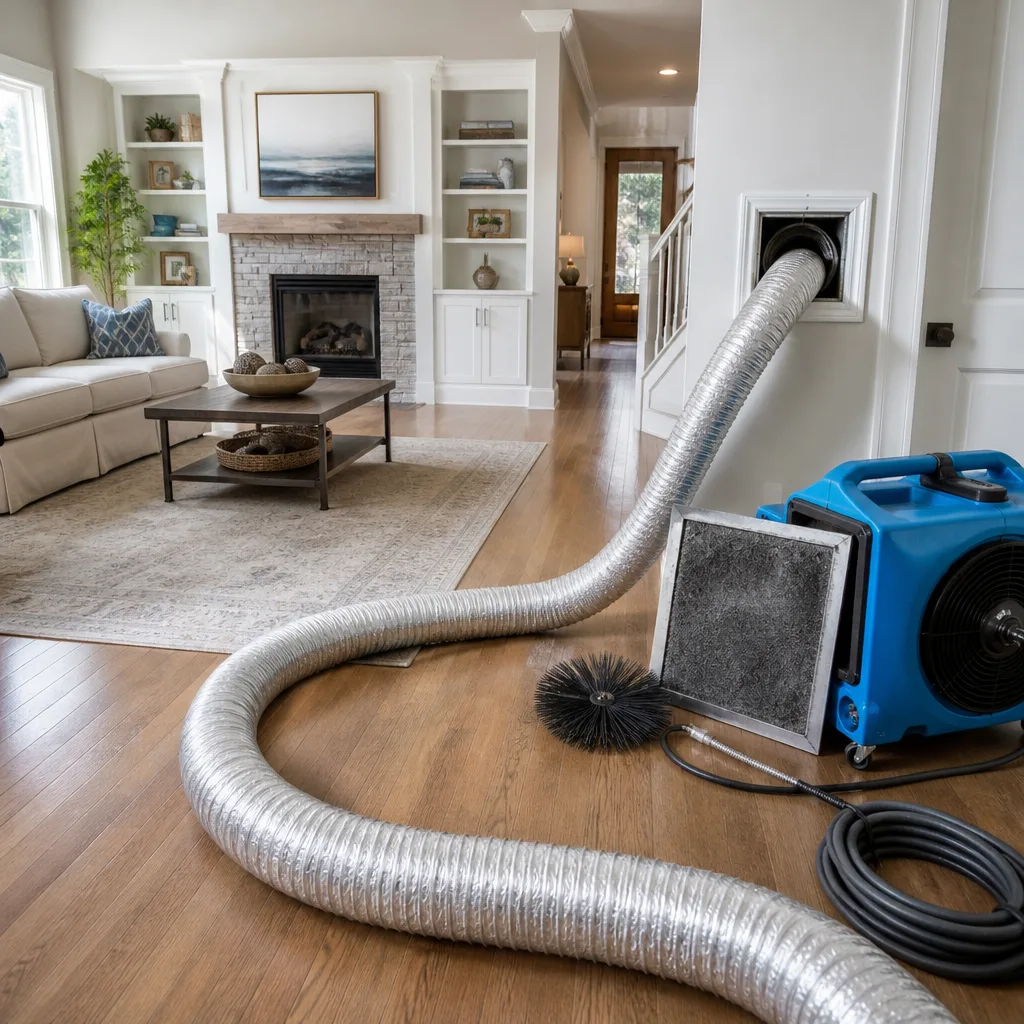 Whole-home duct cleaning
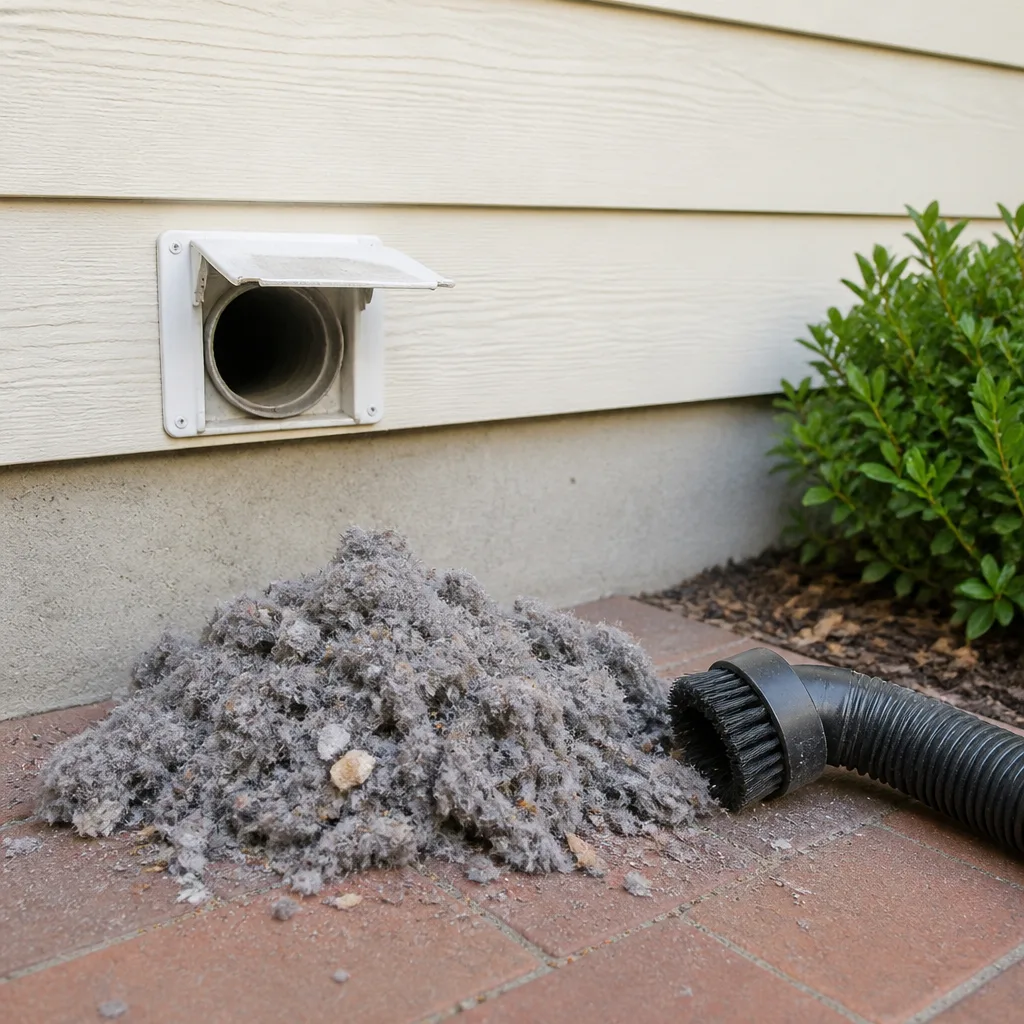 Dryer vent cleaning
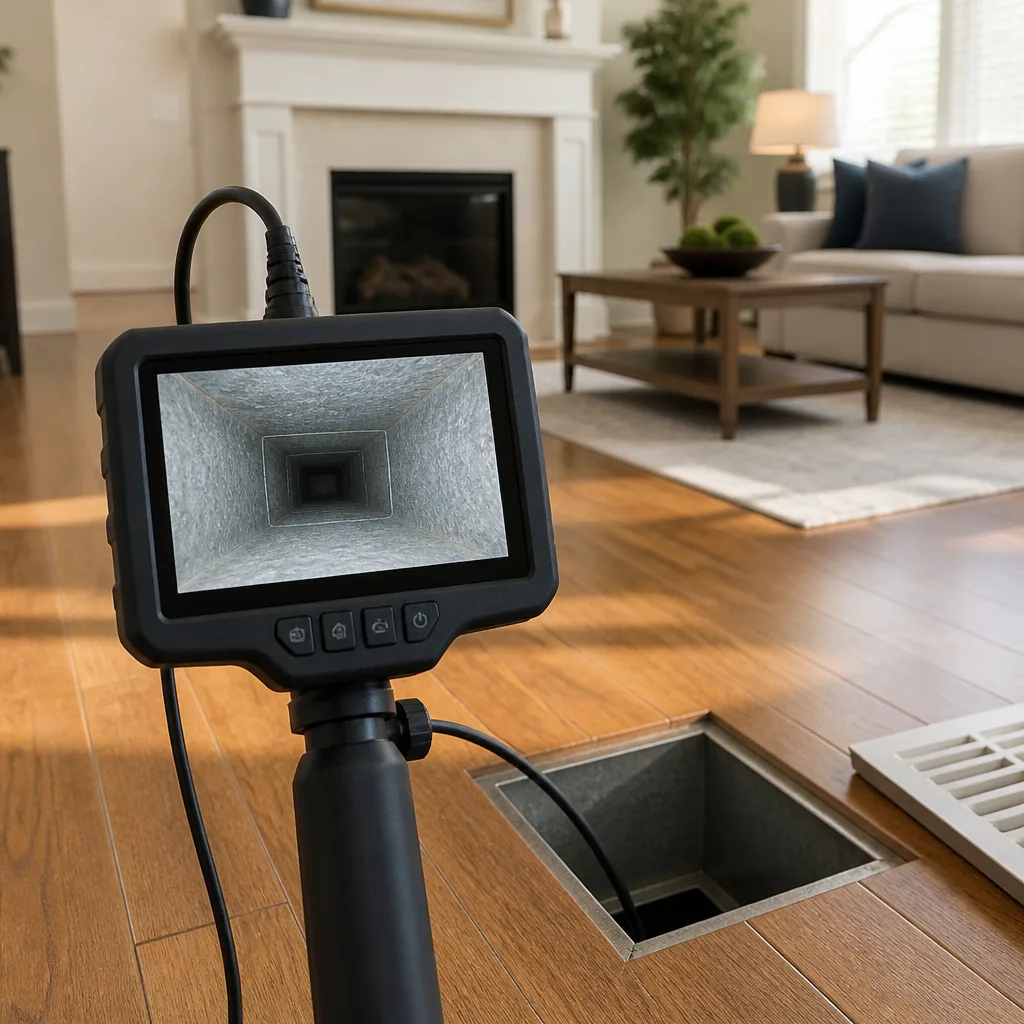 Camera inspection
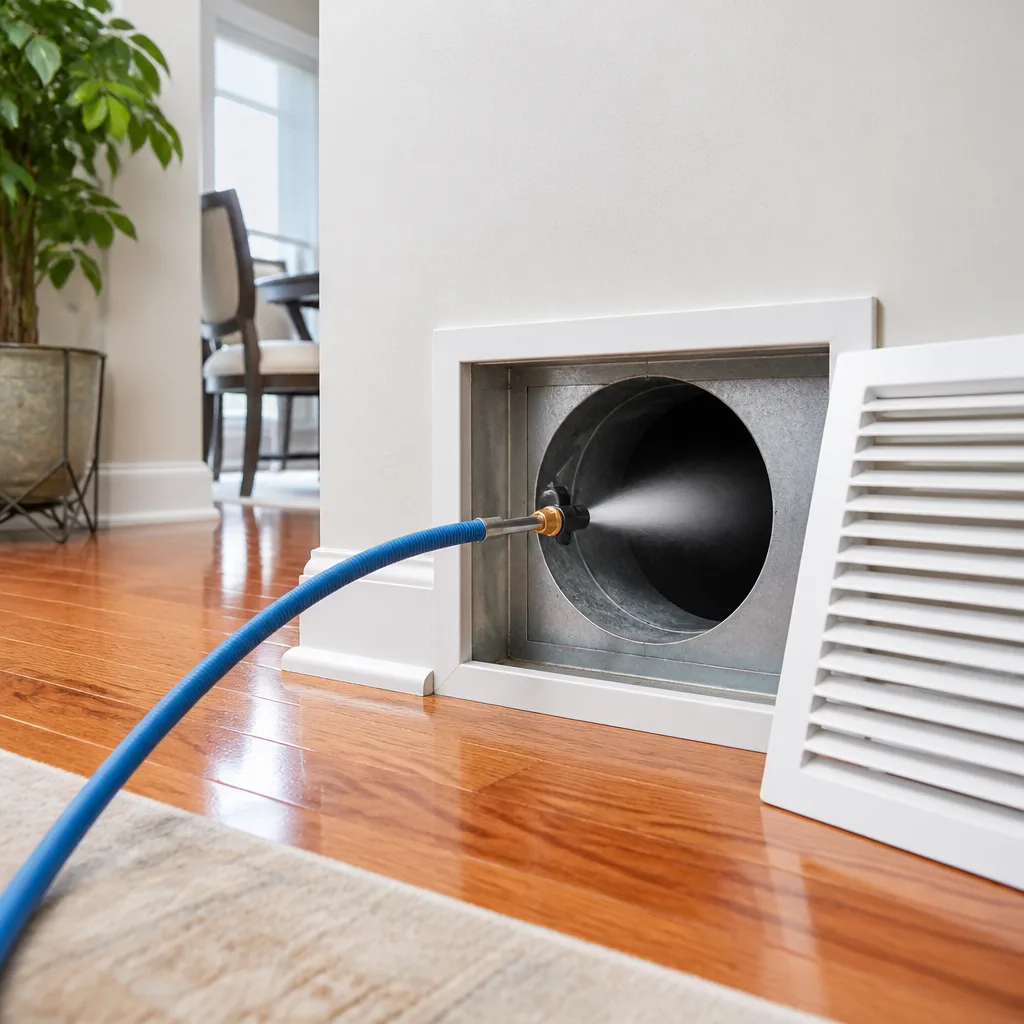 Sanitizing & deodorizing
Whole-system duct and dryer vent check with before-and-after photos - you see exactly what came out of your vents
That "$99 whole-house special" is a bait ad - the real number appears once they are in your hallway, or the "clean" is a shop-vac at the register. We photograph the inside of your ducts before and after instead.
The Complete Guide to Air Duct Cleaning in Redmond
Most homeowners assume their ducts get dirty gradually and evenly – a slow accumulation of dust over years of ordinary living. In reality, the worst contamination often happens before anyone moves in, during the construction or renovation phase when drywall dust, sawdust, and insulation fibers settle into ductwork that’s still open and unprotected. Redmond’s climate adds a second layer to that story: wet winters push moisture into the system, and summer wildfire smoke from Eastern Washington leaves fine particles that a standard filter never catches. This guide maps the actual life of a Redmond duct system, layer by layer, so you can judge what yours needs and how to tell a real cleaning from a surface wipe.
Quick Answer
Air duct cleaning in Redmond should be done with source-removal equipment – high-powered vacuum and rotary brushing under negative pressure – following the NADCA ACR standard, not a quick contact vacuum of the visible vents. Most Redmond homes benefit from a proper cleaning every three to five years, sooner if they’ve just been built or renovated, if pets live indoors, or if musty odors or rising dust point to moisture and microbial growth inside the system.
Styles & brands we work with
- Whole-home duct cleaning
- Dryer vent cleaning
- Camera inspection
- Sanitizing & deodorizing
Table of Contents
- Why Redmond’s Climate Makes Duct Contamination Different
- What Actually Accumulates Inside Redmond Ducts, Layer by Layer
- The Construction-Debris Problem in New and Renovated Homes
- The NADCA ACR Standard: The Only Credible Benchmark
- Source Removal vs. “Blow and Go” Contact Vacuuming
- Older Redmond Neighborhoods vs. New Builds
- Duct Repair and Sealing: Why Cleaning Alone Isn’t Enough
- What You Can Check Yourself Before You Call Anyone
Why Redmond’s Climate Makes Duct Contamination Different
National duct-cleaning guides are written for a generic American house in a generic climate. Redmond doesn’t have a generic climate. It has wet, mild winters, a long damp shoulder season in spring and fall, a short dry summer, and recurring wildfire-smoke events that push fine particulate matter across the Cascade Range from Eastern Washington. Each of those seasons writes a different chapter into your ductwork.
The winter moisture is the part most homeowners underestimate. Pacific Northwest humidity doesn’t just sit in the air – it cycles through the duct system every time the furnace runs. Warm air meets cooler sheet metal in an unconditioned crawlspace or attic, condensate forms on the interior walls of the ducts, and that thin film of water is enough for mold spores and biofilm to take hold. In a dry-climate home in Arizona or Colorado, that condensation cycle is rare. In Redmond, it’s a seasonal certainty in any duct run that passes through unconditioned space.
Then summer arrives, and with it the smoke. When wildfire smoke drifts into the Puget Sound region, the fine PM2.5 particles it carries are small enough to slip past standard furnace filters. They settle inside the duct system, cling to the residual moisture film, and become part of the dust load the next heating season moves through your home.
Redmond homes also lean heavily on forced-air heating. Unlike radiator or radiant-floor homes, forced-air systems move the entire air volume of the house through the ducts several times an hour. Every contaminant in the duct becomes a contaminant in the breathing air. That’s why air duct cleaning in Redmond isn’t a cosmetic service – it’s an air-quality intervention specific to how homes here are built and heated.
What Actually Accumulates Inside Redmond Ducts, Layer by Layer
Duct contamination isn’t a uniform gray fuzz. It’s a stratified record of everything the house has been through, and understanding the layers tells you what kind of cleaning the system actually needs.
Here’s the typical sequence in a Redmond home:
- Construction debris (bottom layer). In a new build or a major renovation, drywall dust, sawdust, insulation fibers, and occasional drywall scraps settle into the ducts before the system is ever sealed. This layer can sit undisturbed for years.
- Household biological load. Skin cells, pet dander, hair, and clothing fibers accumulate steadily on top of the construction debris. Homes with pets and carpet see this layer form faster.
- Wildfire smoke residue. Seasonal PM2.5 from Eastern Washington smoke events settles into the system, particularly in late summer and early fall. This layer is invisible but measurable in air quality.
- Microbial growth. Wherever condensation has formed on cool duct surfaces – typically in crawlspace or attic runs during the wet season – mold and biofilm develop on the organic material already deposited. This is the layer that produces the musty smell homeowners notice first.
By the time a homeowner calls us, the system usually carries all four layers. A contact vacuum of the visible registers removes none of them – which is why the equipment question matters more than the price question. Redmond Air Duct Cleaning Pros uses Rotobrush and Nikro rotary systems with Abatement Technologies filtration to capture dislodged debris at the source rather than redistribute it through the house.
The Construction-Debris Problem in New and Renovated Homes
If your Redmond home was built or substantially renovated in the last few years, the duct system almost certainly needs cleaning that a resale-inspection checklist won’t catch. During construction, ductwork is often installed before the building is closed in, and it’s left open at the ends while drywall is cut, sanded, and finished. Construction dust is finer and more abrasive than household dust, and it settles into the system long before the first occupant moves in.
What gets left behind typically includes:
- Drywall dust and joint-compound residue, which is alkaline and mildly corrosive to sheet metal over time.
- Fiberglass insulation particles from batts cut on site.
- Sawdust and wood shavings from framing and finish carpentry.
- Occasional larger debris – drywall cutouts, screws, packaging material – that falls into open duct runs.
We’ve seen brand-new Redmond homes where the visible return grille looks clean while the trunk line behind it carries a fine white dust layer from finish work. That dust is what every future heating cycle pushes into the living space. For new construction, the right move is a source-removal cleaning before the first heating season, not after the first year of living in the dust. A qualified HVAC cleaning visit at that point also checks the air handler and coil, which collect the same debris on their fins.
The NADCA ACR Standard: The Only Credible Benchmark
“We use a vacuum” is a meaningless claim. The National Air Duct Cleaners Association publishes a standard – ACR, the Assessment, Cleaning, and Restoration standard – that defines what a legitimate duct cleaning actually involves. It’s the only industry benchmark worth citing, and if a contractor can’t tell you how they follow it, that’s your answer about the likely quality of the work.
The ACR standard covers four things:
- Assessment. The contractor inspects the system before quoting – typically with a camera – and reports what’s actually inside, not what they assume is inside.
- Cleaning. The system is cleaned using source-removal methods under continuous negative pressure, so dislodged debris leaves the system rather than blowing into the house.
- Verification. After cleaning, the contractor verifies the result – often with before-and-after camera footage – rather than declaring the job done from the truck.
- Restoration. Any components disturbed during cleaning – insulation, sealant, access panels – are returned to proper function.
Ask any Redmond duct-cleaning company how they handle each of those four steps. A company that follows ACR will explain it in plain language and offer to show you the before-and-after. A company that hasn’t heard of it is doing something else.
Source Removal vs. “Blow and Go” Contact Vacuuming
There are two very different things being sold as “duct cleaning” in the Redmond market, and the difference shows up in what your house looks like afterward.
Contact vacuuming (“blow and go”) means a technician runs a shop-vac-style hose over each visible register, maybe wipes the grille, and leaves. This approach removes almost nothing from inside the ducts. In the worst cases, an air compressor is used to “blow out” the ducts from one end, which redistributes years of accumulated dust into the living space. If your house is dustier for a week after a cleaning, you’ve had this version.
Source-removal cleaning is what the ACR standard describes. The technician creates negative pressure inside the duct system, then uses rotary brushes and compressed air tools to agitate the interior surfaces from the inside out. Everything dislodged gets pulled into a HEPA-filtered collection unit. The system is genuinely cleaned, not just touched.
How to tell which one you got, without climbing into the crawlspace:
- Were access holes cut for the equipment? Source removal usually requires them; contact vacuuming doesn’t.
- Did you see the vacuum unit – an actual truck-mounted or cart-mounted system – or just a handheld hose?
- Were you offered before-and-after photos or camera footage? Source-removal contractors produce this routinely.
- Did the technician measure or document anything, or just work for 45 minutes and hand you a card?
For dryer vent cleaning specifically, the same principle applies: real cleaning means removing the lint column, not just snaking a brush part way down. The fire risk sits in the accumulation, not the visible opening.
Older Redmond Neighborhoods vs. New Builds
Redmond’s housing stock is genuinely split, and duct contamination follows the split. Pre-2000 homes in established neighborhoods carry decades of accumulated biological load, often with duct materials and layouts that differ from what’s built today. Post-2000 construction carries a different load – heavier on construction debris, lighter on long-term accumulation but with its own quirks.
The differences that matter for cleaning:
- Duct material. Older Redmond homes often use rigid sheet-metal trunk lines with short flex branches. Newer builds are frequently almost entirely flex duct, which is more prone to sagging and trapping debris in low spots.
- Layout. Pre-2000 homes often have long trunk runs through unconditioned crawlspaces – the wettest duct surfaces in the house during the Redmond wet season – while newer construction tends to keep ductwork inside the conditioned envelope.
- Junction sealing. Older systems were often assembled with tape or mastic that has since deteriorated, letting duct leakage pull crawlspace air (and the moisture in it) into the system. Newer systems, when sealed well, leak less; when sealed poorly, they leak the same way.
- Accessibility. Older systems sometimes lack the access panels a proper source-removal cleaning requires, which is where duct repair and sealing enter the job.
In our experience, the cleaning method is the same in both cases, but the diagnosis isn’t. A pre-2000 Redmond home with a long crawlspace trunk run needs a moisture-focused assessment; a 2015 build with drywall dust in the return lines needs a source-removal cleaning and a check of the air handler. Guessing wrong means either under-cleaning the system or missing the sealing work that would have stopped the leak.
Duct Repair and Sealing: Why Cleaning Alone Isn’t Enough
You can clean a duct system to the ACR standard and still have a problem if the ducts are leaking. Every gap in the system – at joints, at collars, at failed tape seams – pulls unfiltered air into the stream. In a Redmond home, that unfiltered air often comes from a crawlspace with visible moisture, which is the last thing you want in your breathing air.
This is where a cleaning-only company hits its limit. It can clean around a leak but can’t fix it, and the next wet season puts the same moisture and contamination back in. A provider that also does duct repair and sealing can close the gaps, restore proper system pressure, and make the cleaning last.
The work typically involves:
- Locating leaks with a system pressure test or a smoke test – some leaks are obvious, many aren’t.
- Sealing joints with mastic, UL-listed tape, or aerosol sealant, depending on accessibility and duct material.
- Rerouting or supporting sagging flex runs that trap debris and moisture.
- Closing access panels correctly after cleaning, with proper gaskets and sealant, so the job doesn’t create new leaks.
For property managers handling Redmond rentals, this combined cleaning-and-sealing approach also closes off the most common tenant complaint vector – the recurring musty smell that reappears a few months after a cheap cleaning.
What You Can Check Yourself Before You Call Anyone
You don’t need to open ducts to judge whether your system needs professional attention. Several observable signals tell you a lot.
Check these before you call:
- Register dust. Remove a supply and return grille. If the interior duct walls behind them show more than a light film of dust, the system is carrying a load.
- Odor. A musty or stale smell when the heat first comes on is the most reliable sign of moisture-driven microbial growth somewhere in the system.
- Visible dust trails. Dust streaks around register edges or on the ceiling near a supply can indicate duct leakage pulling air from the attic or crawlspace.
- Allergy escalation. Symptoms that improve when you’re away from home and worsen when heating runs are worth a professional inspection.
- Recent construction. Any renovation in the last two years, however small, points to a construction-debris cleaning.
- Pet population. Multiple indoor pets, especially long-haired dogs or cats, accelerate the biological load layer faster than the average household.
Do not climb into a crawlspace or attic to open the duct system yourself. The mechanical risks are real, and the microbial exposure in a contaminated system is exactly what you’re trying to get rid of. A trained technician has the equipment – and the HEPA filtration – to look without making things worse. Our technicians have up to 12 years of experience inspecting and cleaning Redmond systems, and we bring Abatement Technologies filtration to every job so the debris we dislodge gets captured, not moved.
Common Mistakes to Avoid
- Hiring on price alone. The $99 “full system cleaning” ads are almost always contact vacuuming sold at a source-removal price. Ask what method they use and how they verify the result before you book.
- Skipping the moisture check. In Redmond’s wet climate, a cleaning that ignores condensation and duct leakage leaves the root cause in place. The musty smell comes back in one or two heating seasons.
- Ignoring the air handler and coil. Cleaning ducts without cleaning the coil and blower is like washing the pipes and leaving the pump full of debris. Every particle in the coil re-enters the duct on the next run cycle.
- Cleaning before construction is finished. If you’re mid-renovation, wait until the drywall work is done. A cleaning during the build just means cleaning again after.
- Skipping dryer vent cleaning. Duct-only companies often don’t offer it, and the lint column inside a dryer vent is the leading cause of residential dryer fires. Treat it as part of the same visit.
- Believing a “sealed system” claim without a test. If the contractor won’t confirm system leakage with a smoke or pressure test, you don’t know whether sealing is actually needed.
- Assuming “we use a vacuum” means source removal. Every duct cleaner owns a vacuum. What matters is whether the vacuum stays connected during cleaning, under negative pressure, with HEPA filtration – not whether one shows up.
See the difference
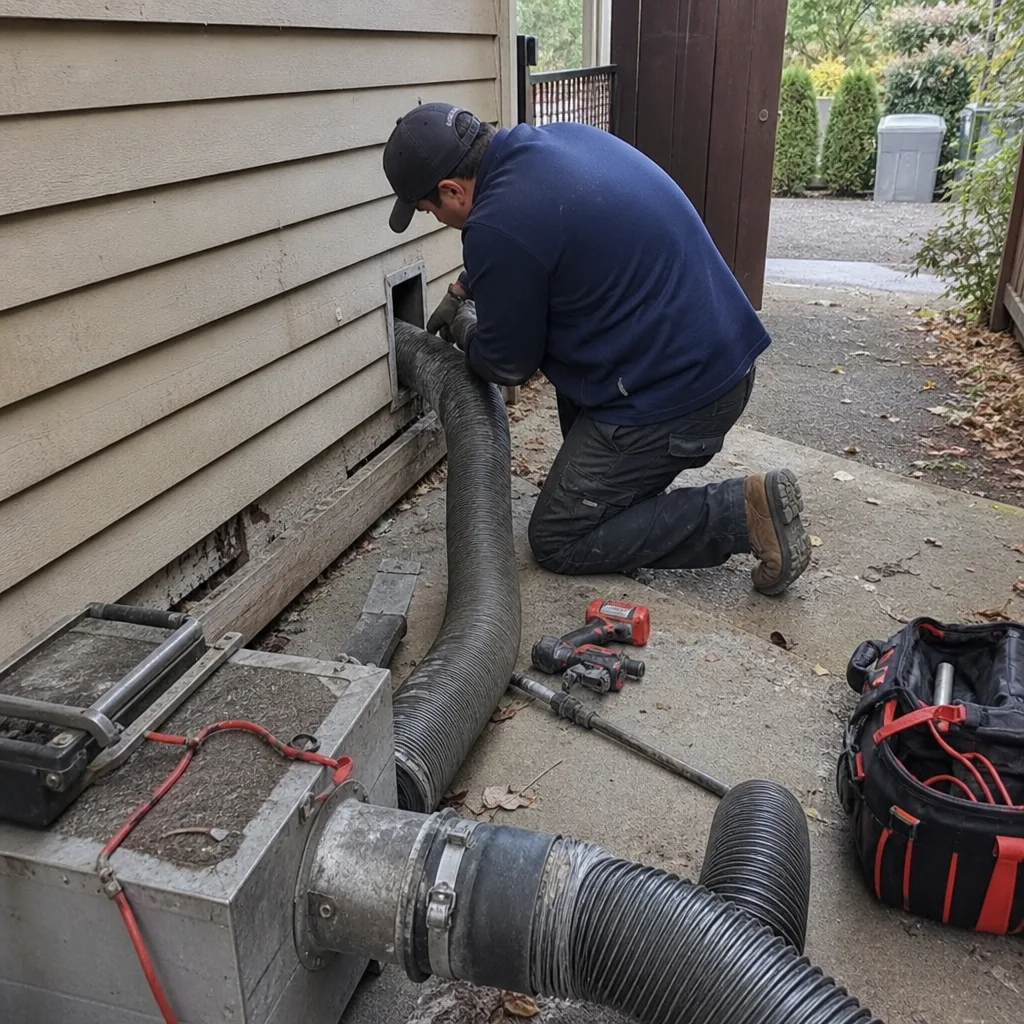 Before
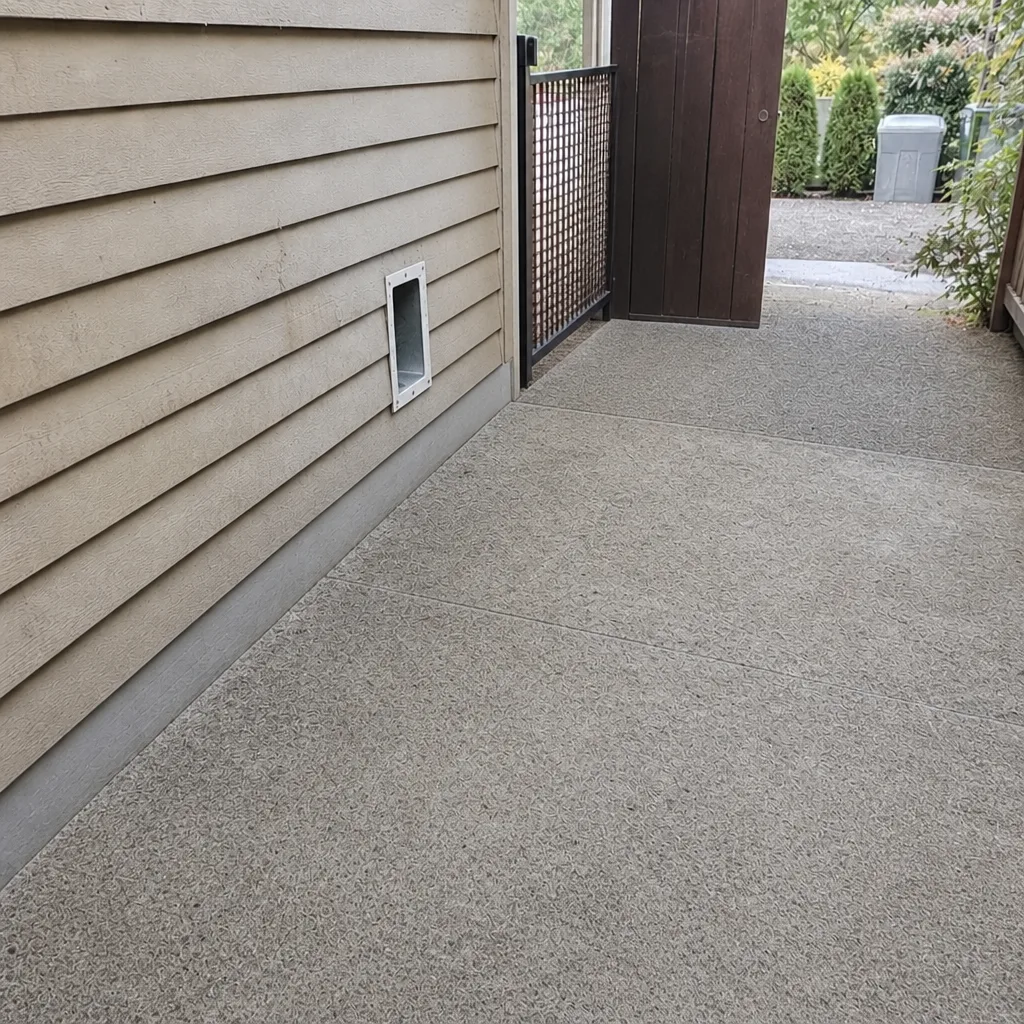 After
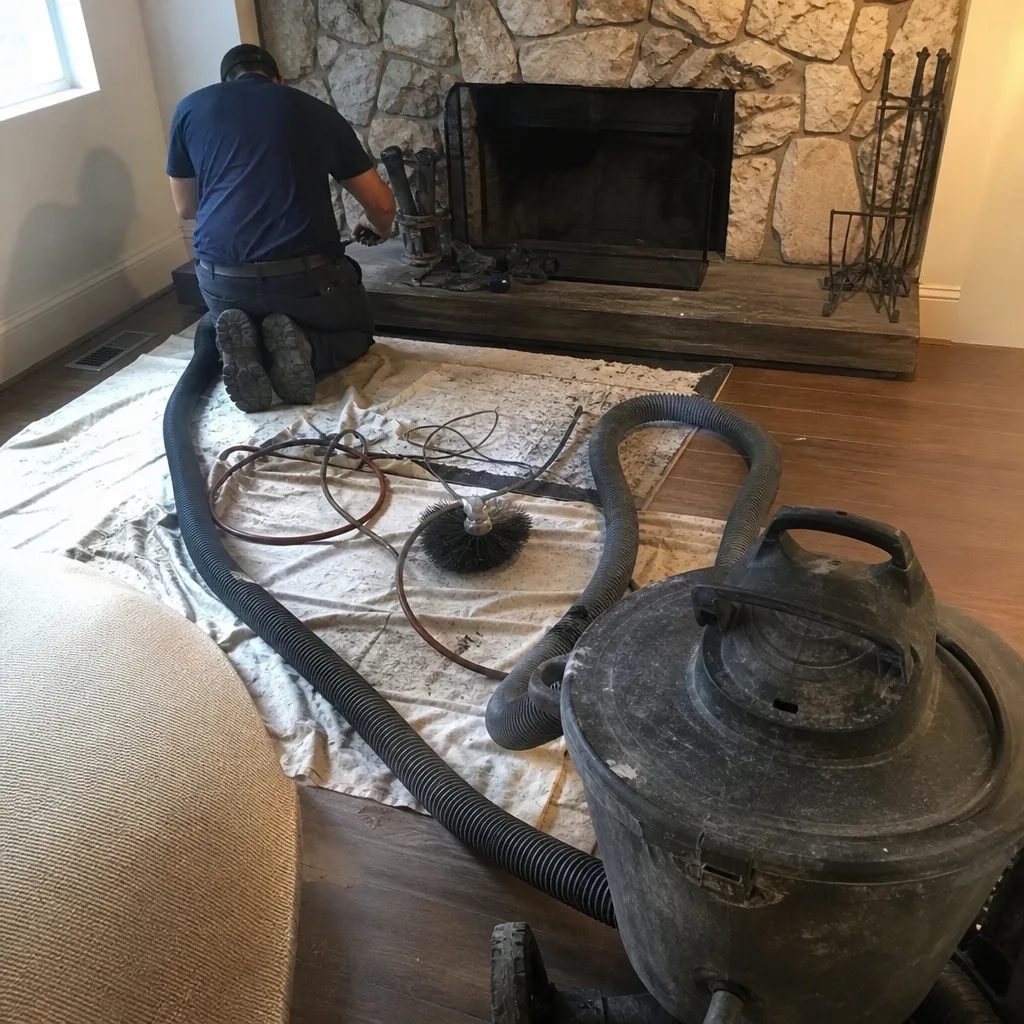 Before
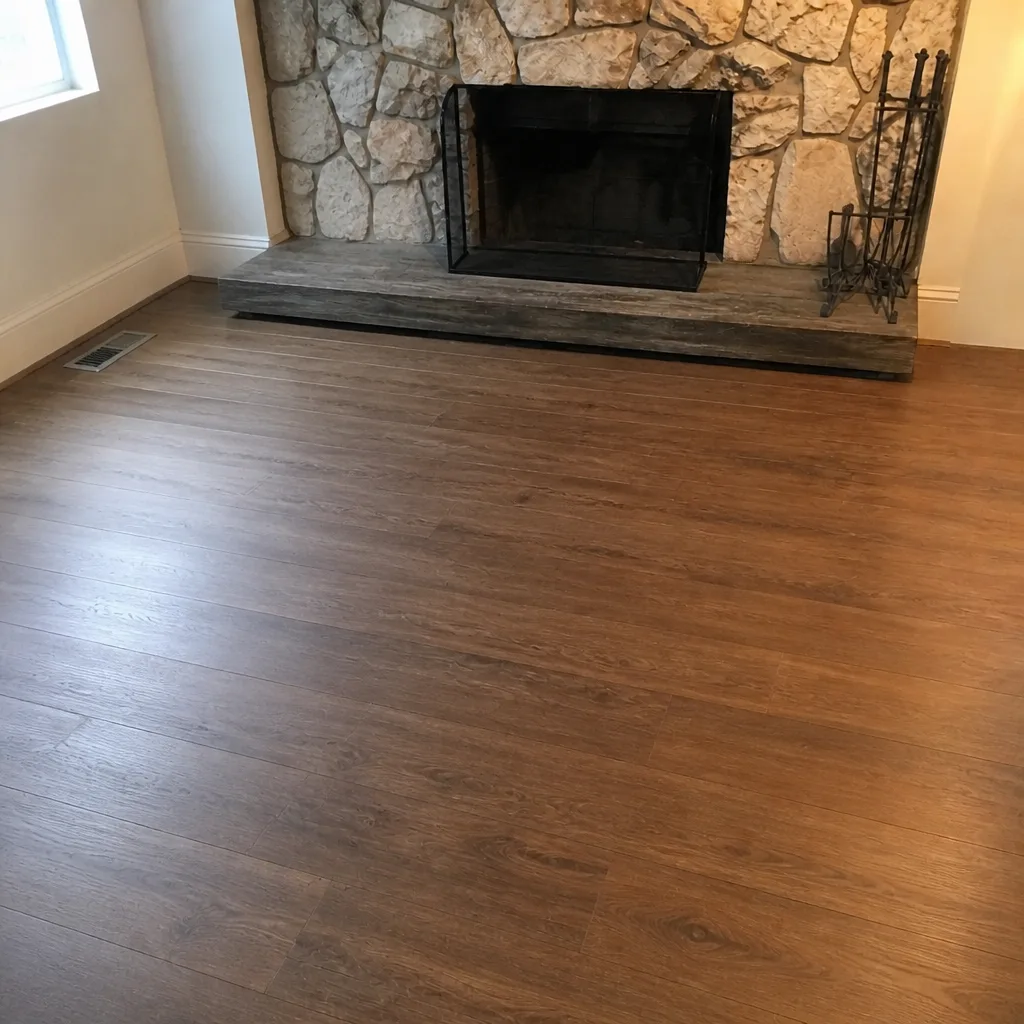 After
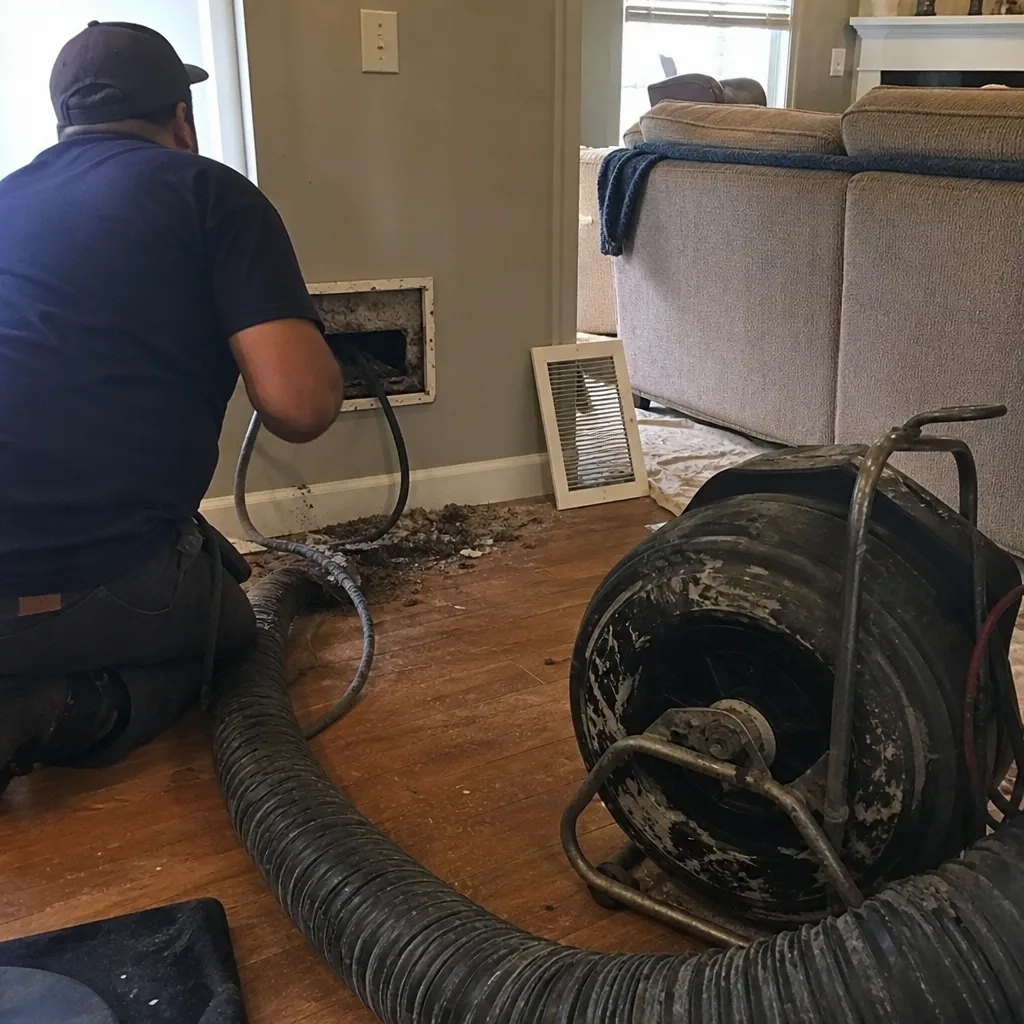 Before
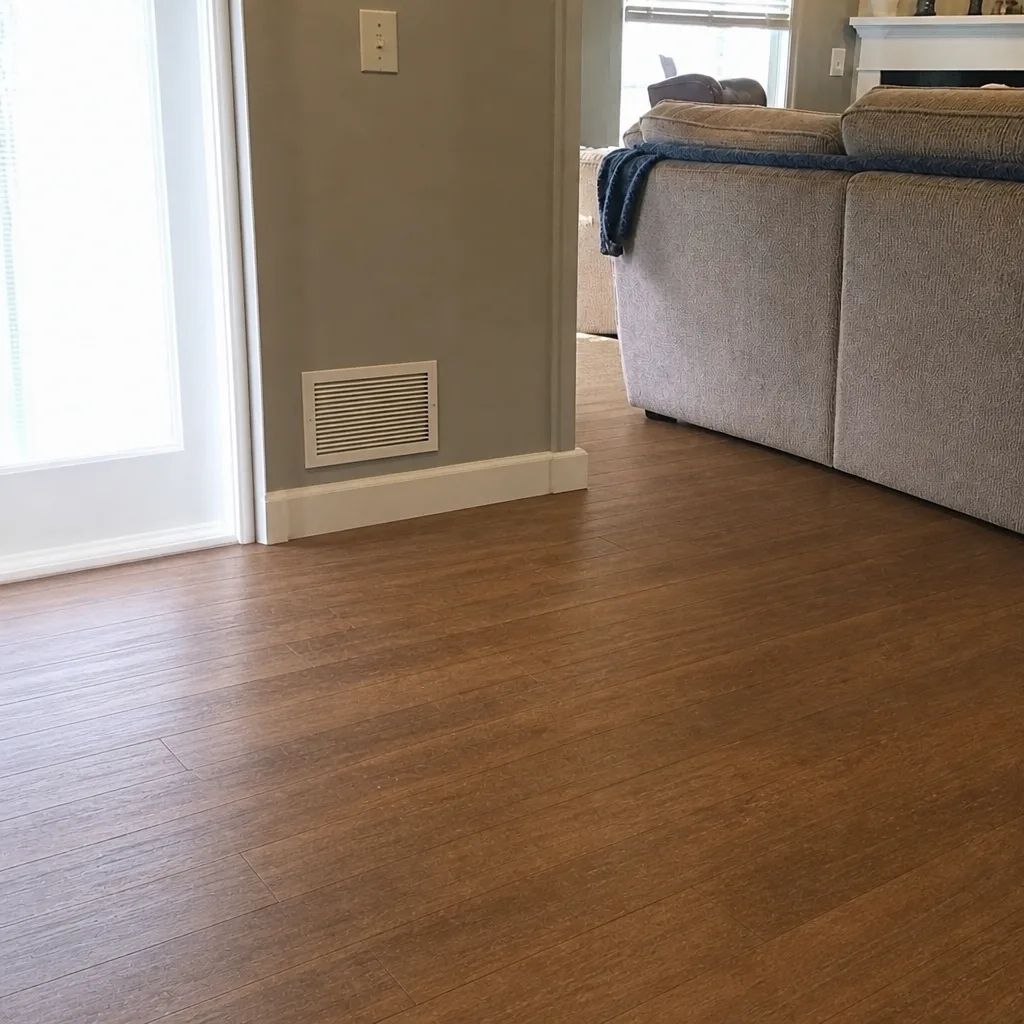 After
When to Call a Professional
Call a professional duct cleaning service when any of these is true: your home was built or substantially renovated in the last three years; you’ve noticed a musty smell when the heat comes on; visible dust trails appear around registers or on nearby surfaces; you’ve had pets or carpet for years without a system cleaning; or you’re managing a Redmond rental and need a documented cleaning for a tenant turnover. Also call if you haven’t had the system cleaned in more than five years and any of the above apply. Ductwork is the mechanical system behind your indoor air, and a trained technician with source-removal equipment can verify what’s inside and clean it properly rather than guess. Redmond Air Duct Cleaning Pros offers free estimates in Redmond – call (877) 492-3883.
Frequently Asked Questions
Every three to five years for most Redmond homes, and sooner if the house was built or renovated recently or if pets, allergies, or moisture issues are in the picture. The wet-winter/smoky-summer cycle in this region builds contamination faster than a dry-climate schedule would suggest, so treat three years as your floor for an average household and five years as a stretch. Call (877) 492-3883 for a free estimate on your specific system.
Typical whole-system cleaning in the Redmond market runs roughly $350 to $650 for a standard forced-air home, and $550 to $900 when the job includes the air handler, coil, and dryer vent in the same visit. Those are honest whole-system ranges, not per-vent teaser pricing – the written estimate sets the final number per job before any work starts. Call (877) 492-3883 for an exact quote; estimates are free.
Because they’re usually selling a different service – contact vacuuming of the visible registers rather than source-removal cleaning under negative pressure. A $99 quote typically reflects 30 to 45 minutes of work with minimal equipment, while an ACR-compliant cleaning takes hours and requires truck-mounted or cart-mounted rotary and HEPA equipment. If the number looks too low for the equipment involved, it usually is. Call (877) 492-3883 for an honest quote on your system.
Ask for before-and-after camera footage of the duct interior, and ask the technician to walk you through what the footage shows. A proper cleaning produces visible evidence – the interior surfaces go from dust-coated to visibly clean, and the access panels are correctly resealed. If the company can’t or won’t provide photographic proof, that tells you something. Call (877) 492-3883 to schedule a cleaning with documented results.
Yes, in any duct run that passes through an unconditioned crawlspace or attic. Moist winter air condenses on the cool interior surfaces of exposed sheet metal, and that thin condensate film lets mold and biofilm grow on the organic dust already present. Dry-climate homes largely avoid the cycle. Redmond homes don’t. That’s why a moisture inspection belongs in any duct cleaning here. Call (877) 492-3883 to book one.
Yes, when the cleaning is done under continuous negative pressure with HEPA-based collection – the debris leaves the system through the vacuum, not into your living space. The “house gets dustier for a week” experience homeowners report is the signature of contact vacuuming or compressed-air “blow out” work without proper filtration. Our service runs Abatement Technologies filtration during every job, plus Guardsman sanitizing treatment afterward. Call (877) 492-3883 for a free estimate.
The Bottom Line
Redmond duct systems are shaped by three forces at once: construction debris trapped during the build, household biological load accumulating year on year, and seasonal moisture and smoke layered on top. Cleaning them well isn’t about which company has the biggest vacuum – it’s about whether the cleaning follows the ACR standard, uses genuine source-removal equipment, and includes the repair and sealing work needed to keep the result. Professional-grade equipment and residential pricing is the combination that works. If your home was built or renovated recently, if odors or dust are rising, or if it’s been more than five years since the system was cleaned, it’s worth a proper inspection. Call Redmond Air Duct Cleaning Pros at (877) 492-3883 for a free estimate on your Redmond home. We answer 24/7. Fast dispatch from 7am to 7pm, Sunday through Friday.
Written by the team at Redmond Air Duct Cleaning Pros.